
This Summer Feeling
2015
No user ratings available yet
Representation score: 7.7 out of 10
Representation Score
Fair
2018
TV-14Director
Mikhaël Hers
Runtime
107 minutes
Average Rating
No ratings yetNew Showbiz Analysis
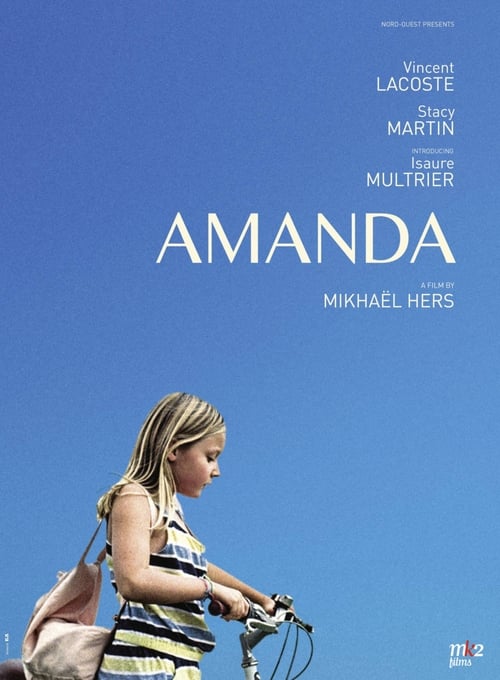
Amanda (2018) operates within a conventional dramatic framework that prioritizes universal themes of grief and familial duty over progressive representation. The narrative centers on a white, heterosexual family unit, reinforcing traditional gender roles where male caregiving is framed as a burden rather than a subversion of norms. The film lacks depth in representing diverse identities, with no meaningful engagement with LGBTQ+ identities, racial diversity, or disability. While the emotional resonance of the story is clear, the cultural framing remains conservative, upholding Western ideals of family stability without critiquing systemic structures or expanding representation beyond the status quo. This approach results in a low diversity score, as the film does not actively challenge social hierarchies or include underrepresented voices. The absence of diverse perspectives limits the film’s ability to offer a broader commentary on contemporary social dynamics, keeping it firmly within traditional dramatic boundaries.
Category Breakdown
The film does not include any LGBTQ+ characters or explore queer identities. All relationships portrayed are between cisgender, heterosexual individuals.
Male characters are primarily shown caring for others, reinforcing traditional gender roles rather than challenging them. Female characters are often defined by their relationships to men or as victims, without independent ability to act or subversion of traditional femininity.
The cast is predominantly white, reflecting the Parisian and London settings without intentional diversity casting. The story focuses on class and loss within a homogeneous social framework, ignoring racial dynamics.
The film maintains a secular, humanist perspective on grief, emphasizing traditional Western family cohesion as a stabilizing force. It avoids critiquing Western institutions or exploring non-Western cultural frameworks.
Psychological trauma serves as a plot device for emotional development rather than a nuanced exploration of mental health. The narrative does not give ability to act to disabled characters or challenge societal perceptions of grief.
Present on Screen
Limited or Absent
Official Synopsis
David, who gets by doing odd jobs, meets Léna, who has just moved up to Paris, and falls in love. But soon after, his life is brutally interrupted by the sudden death of his sister. Beyond the shock, and the pain, David now finds himself alone with his young niece Amanda to care for.
2015

2008

2023

2018

2020
2021

2015

2014
No reviews yet. Be the first to share your thoughts on this movie!
Use the rating form above to leave a star rating and optional review.