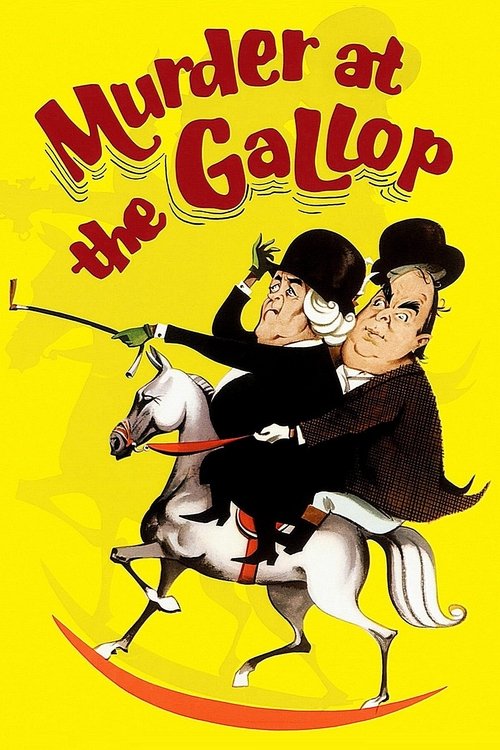
Murder at the Gallop
1963
No user ratings available yet
Representation score: 2.8 out of 10
Representation Score
Limited
1964
NRDirector
George Pollock
Runtime
90 minutes
Average Rating
No ratings yetNew Showbiz Analysis
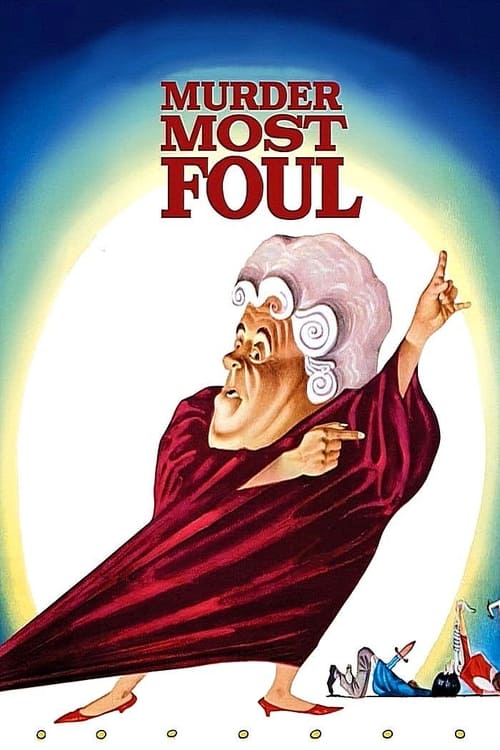
Murder Most Foul is a traditional mystery-thriller that upholds mid-century British social and cultural norms. It follows well-established genre conventions without disrupting social structures or exploring diverse identities. The film does not intentionally address issues of identity, race, or gender. Instead, it presents a standard depiction of the era's social norms, focusing on a homogeneous demographic and traditional class structures. While Miss Marple stands out as a competent protagonist, the film lacks diverse representation in most categories.
Category Breakdown
The film strictly assumes that everyone is straight or cisgender, with no representation of non-assuming gender matches what was assigned at birth gender identities or same-sex relationships.
Miss Marple is a strong central character who drives the plot intellectually. However, the supporting cast adheres to traditional mid-century gender roles and social hierarchies.
The cast is predominantly white, reflecting the social norms of a British country house mystery. The narrative centers on a demographic that upholds Anglo-Saxon traditions.
The film emphasizes established class structures and social order, reinforcing traditional Western institutions without challenging capitalism or the nuclear family.
There is no portrayal of characters with disabilities, either visible or invisible, and disability is not a central theme in the film.
Present on Screen
Limited or Absent
Official Synopsis
A murderer is brought to court and only Miss Marple is unconvinced of his guilt. Once again she begins her own investigation.
1963
1961
1964
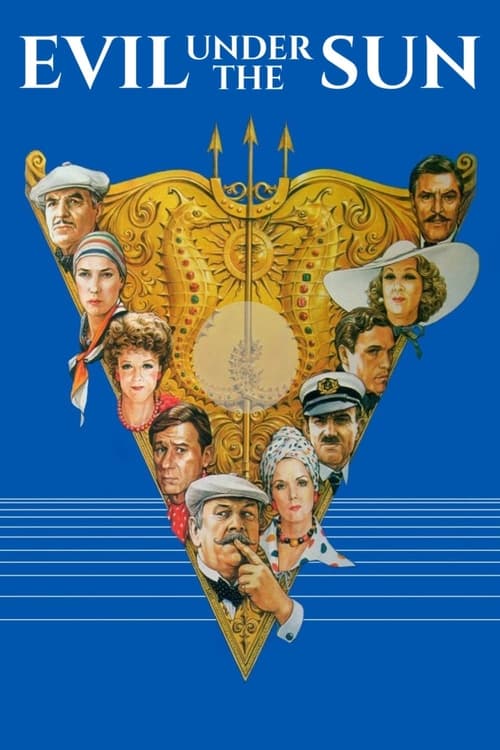
1982
1980

1930
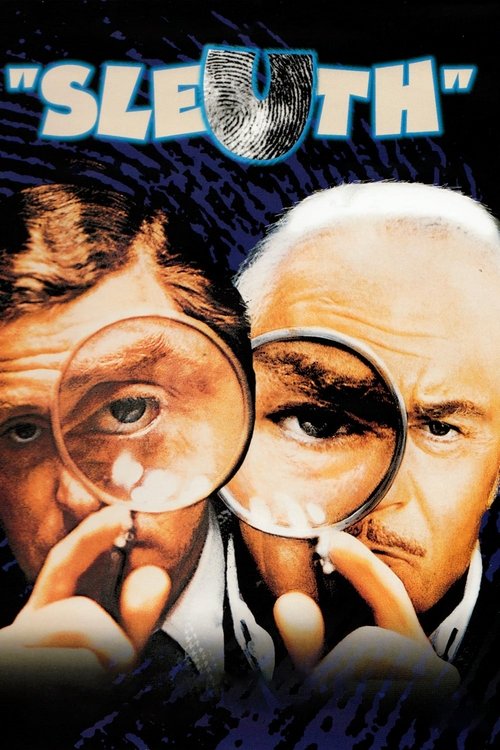
1972
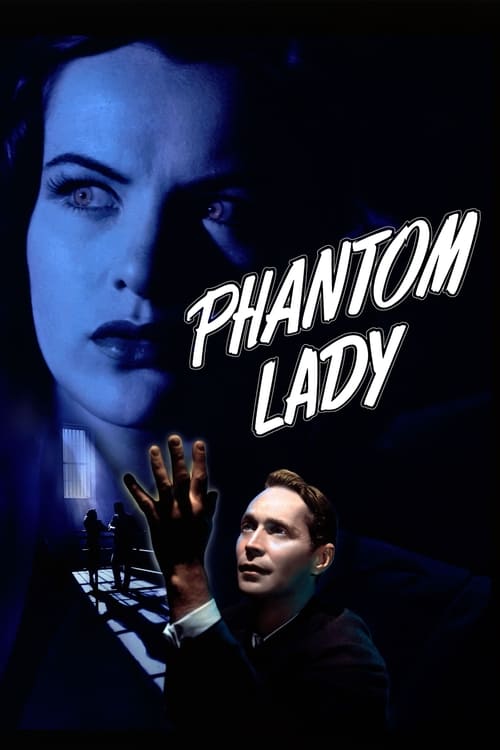
1944
No reviews yet. Be the first to share your thoughts on this movie!
Use the rating form above to leave a star rating and optional review.