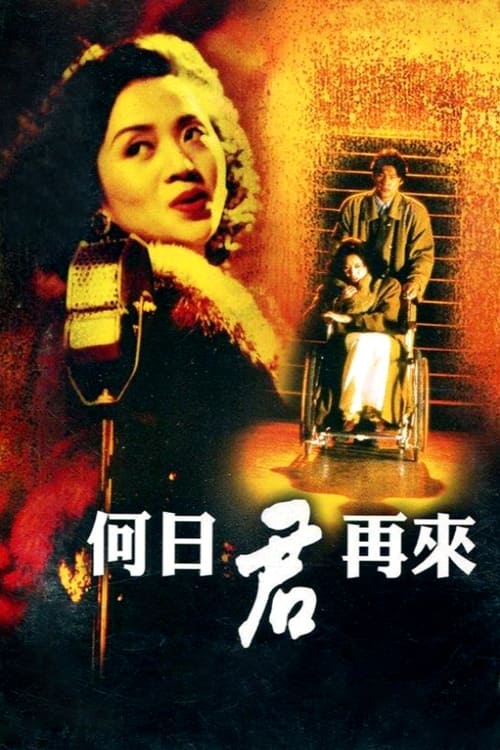
Au Revoir, Mon Amour
1991
No user ratings available yet
Representation score: 5.6 out of 10
Representation Score
Good
1994
Director
Cash Chin Man-Kei
Runtime
91 minutes
Average Rating
No ratings yetNew Showbiz Analysis
The film centers on the vulnerability and active roles of women amidst the chaos of the Japanese occupation of Hong Kong. By focusing on the daughters' struggles against both invaders and their own father, it challenges traditional masculine leadership and moral stability. While the cast is ethnically homogeneous, the narrative uses the historical conflict to explore themes of ethnic subjugation. The portrayal of mental health trauma provides a grounded look at the psychological scars of war. However, the film remains limited by its historical setting, lacking LGBTQ+ representation and diverse ethnic casting. It operates primarily within a traditional, albeit subverted, familial framework.
Category Breakdown
The film does not include explicit LGBTQ+ characters or non-straight relationships. It focuses on traditional family structures and romantic pairings during wartime.
Women play key roles in driving the emotional and plot-heavy arcs through their resilience and suffering. The narrative challenges patriarchal authority by portraying the father as morally compromised.
The story explores ethnic conflict through the lens of a colonized Chinese population under Japanese occupation. It focuses on the lived experience of systemic oppression.
The film critiques traditional family loyalty and patriarchal authority during systemic corruption. It explores the breakdown of social institutions under the pressure of war.
Aidi’s mental health challenges are shown as a direct result of wartime trauma. This highlights the psychological human cost of systemic brutality.
Present on Screen
Limited or Absent
Official Synopsis
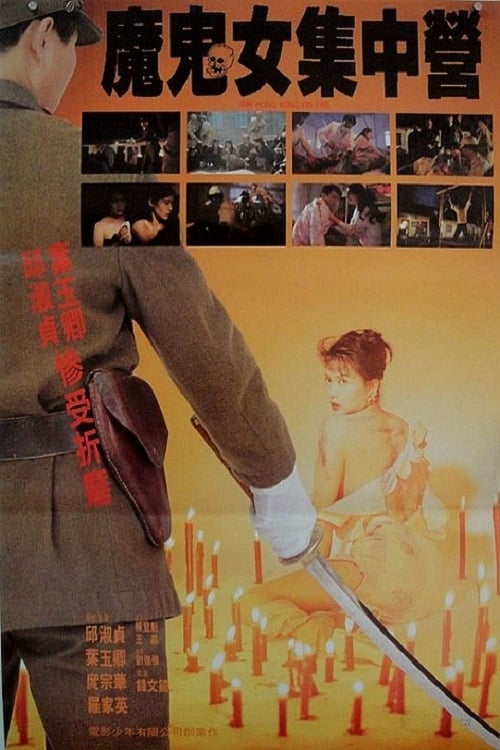
A family suffers at the hands of the Japanese during the occupation of Hong Kong. On December 25, 1941, the Japanese army occupied Hong Kong. The pawnshop owner, Luo Kai has three daughters, the eldest daughter Wangdi, the second daughter Xindi, and the youngest daughter Aidi. When the Japanese army captured Kowloon, Aidi was violently tortured by the Japanese army and suffered a mental disorder. Xindi followed his lover Shen Fang to rescue the wounded in the temporary hospital. In order to curry favor with the Japanese army, Luo Kai did not hesitate to sacrifice his eldest daughter Wangdi. However, not long after he became a traitor, his second daughter Xindi was attracted by a Japanese military officer. Luo Kai finally couldn't bear to fight against Wangdi to stop him. In the chaos...
1991

1959
2008

2001

1972

2010
1995

1986
No reviews yet. Be the first to share your thoughts on this movie!
Use the rating form above to leave a star rating and optional review.