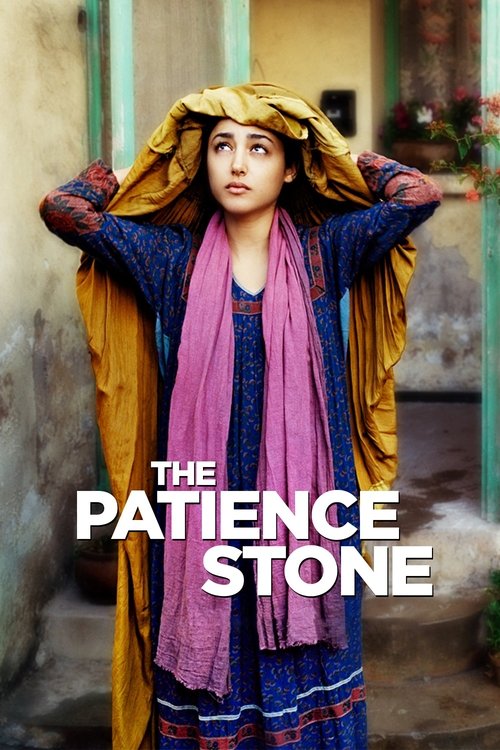
The Patience Stone
2013
No user ratings available yet
Representation score: 6.3 out of 10
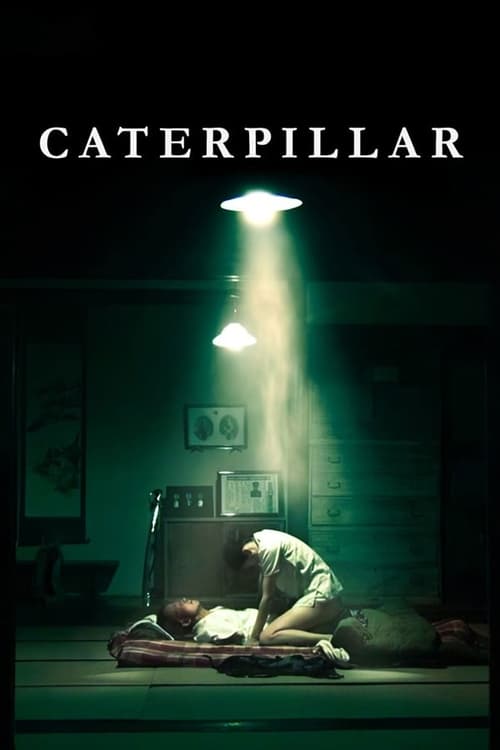
Representation Score
Excellent
2010
Not RatedDirector
Kōji Wakamatsu
Runtime
87 minutes
Average Rating
No ratings yetNew Showbiz Analysis
Kōji Wakamatsu employs a harrowing historical backdrop to dismantle traditional social roles and state authority. The film excels in its subversion of gender and disability clichés, offering a raw look at bodily autonomy and survival. While the film provides a powerful critique of imperialist structures, its focus on a specific historical period limits its racial diversity. However, the strength of its character studies compensates for this specific setting. Ultimately, the work succeeds by challenging the myths of masculine leadership and patriotic glory, replacing them with the harsh reality of domestic and physical struggle.
Category Breakdown
The film examines unconventional relationships that challenge traditional romantic ideals. It emphasizes duty and physical needs over straight relationships.
The story disrupts gender hierarchies by placing the female protagonist at the center of survival. The male protagonist loses his traditional role despite his status.
Set during the Second Sino-Japanese War, the film critiques imperialism and the human cost of territorial conflicts. Its focus is limited to a specific historical context.
The film criticizes state institutions by showing the Emperor and military as sources of trauma. It dismantles the idea of sacred patriotism and mandated heroism.
The story presents a raw look at severe physical disabilities. It incorporates the theme of quadruple amputation into the central tension without resorting to clichés of inspiration or pity.
Present on Screen
Limited or Absent
Official Synopsis
The story of a village woman given the grueling task of looking after (and fulfilling the sexual needs of) her quadruple amputee husband, a Japanese soldier in the Second Sino-Japanese War who has been decreed a "War God" by the Emperor.
2013
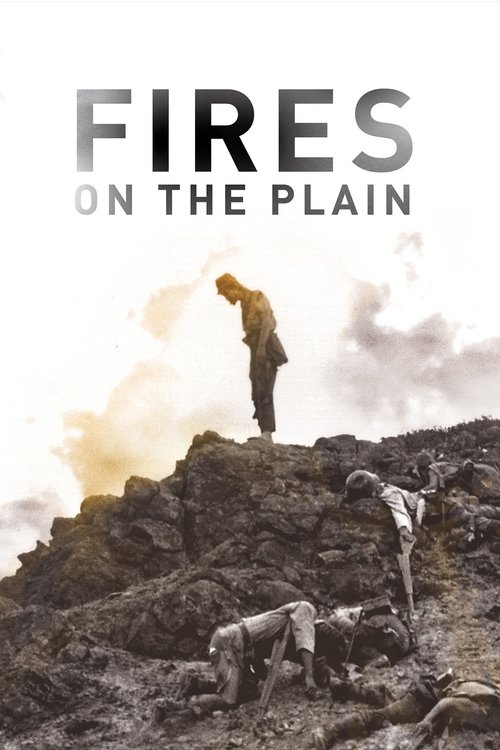
1959

1956

1971
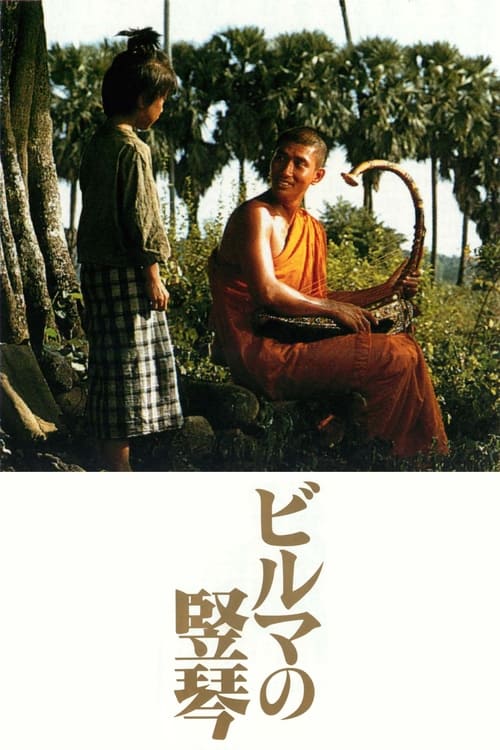
1985
1994
1944
2011
No reviews yet. Be the first to share your thoughts on this movie!
Use the rating form above to leave a star rating and optional review.