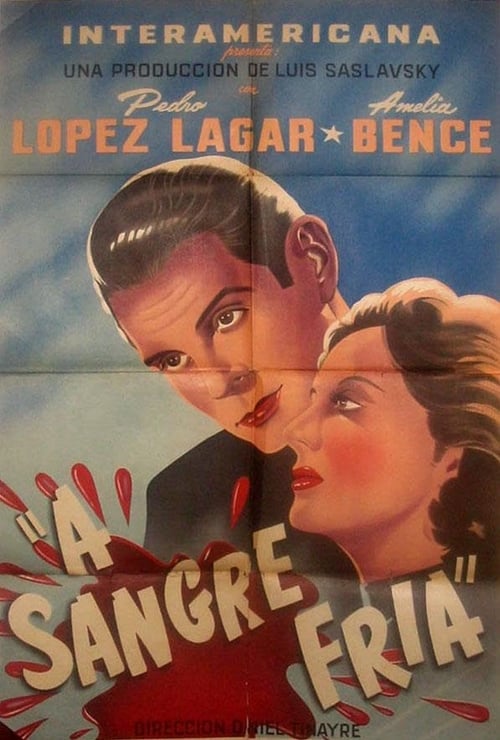
A Sangre Fría
1947
No user ratings available yet
Representation score: 2.0 out of 10
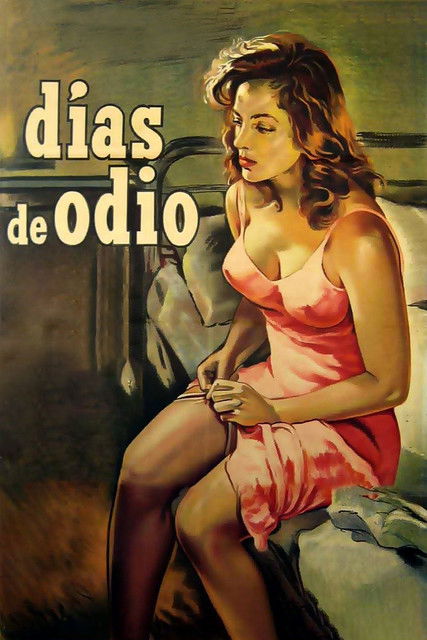
Representation Score
Fair
1954
Director
Leopoldo Torre Nilsson
Runtime
61 minutes
Average Rating
No ratings yetNew Showbiz Analysis
Leopoldo Torre Nilsson’s film is a sophisticated critique of conservative social norms. It uses psychological realism to expose the fractures within traditionalist frameworks and bourgeois structures. The film excels in its challenge to the hypocrisy of religious and social institutions. By centering on Emma Zunz’s autonomy, it challenges the stifling expectations of a rigid provincial society. However, the work lacks modern multi-layered breadth. It remains limited by its historical focus on the landed elite, resulting in minimal visibility for racial and LGBTQ+ identities.
Category Breakdown
The film focuses on psychological tension within structures that assume everyone is straight or cisgender. There is no explicit evidence of stories involving LGBTQ+ individuals or non-cisgender identities.
Emma Zunz plays a central role in challenging the status quo against a male-dominated landscape. Her struggle disrupts conventional expectations of female passivity.
Casting reflects the demographic reality of the mid-20th century Argentine provincial elite. The lack of diverse representation stems from the specific socioeconomic setting.
The narrative offers a profound critique of religious and social hypocrisy in provincial Argentina. It deconstructs the perceived sanctity of traditionalist institutions.
There is no significant evidence regarding the portrayal of physical or neurodivergent disabilities in this work.
Present on Screen
Limited or Absent
Official Synopsis
Emma Zunz, who is planning a crime, intends to get away with it by presenting an audacious alibi.
1947
1955
1958
1951
1956

1958
1948
1950
No reviews yet. Be the first to share your thoughts on this movie!
Use the rating form above to leave a star rating and optional review.