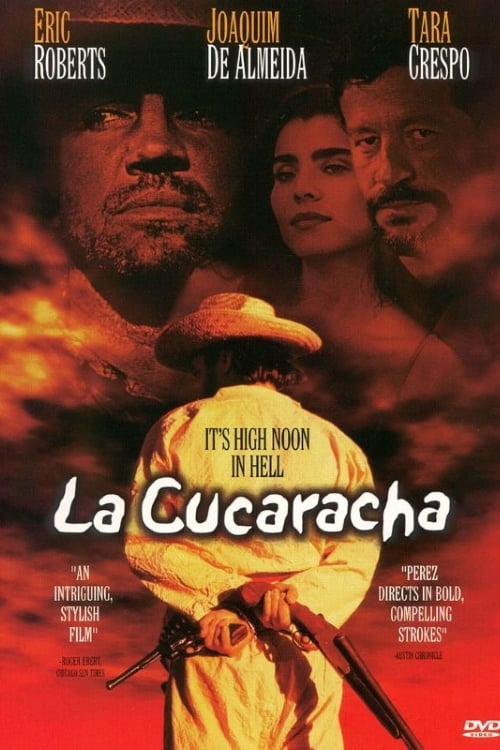
La Cucaracha
1998
No user ratings available yet
Representation score: 1.4 out of 10

Representation Score
Good
1995
Director
Agustín Díaz Yanes
Runtime
104 minutes
Average Rating
No ratings yetNew Showbiz Analysis
Agustín Díaz Yanes delivers a gritty exploration of ability to act within underrepresented social contexts. The film succeeds by prioritizing the lived experience of a social outsider, challenging traditional family structures and Western institutional norms. The strength of the work lies in its subversion of gendered power dynamics. By centering a flawed, autonomous female lead in a violent underworld, the film avoids typical damsel clichés. However, the film lacks depth in its treatment of disability and LGBTQ+ themes. These elements are either absent or used merely as plot devices rather than explored with genuine complexity.
Category Breakdown
The film focuses on heterosexual and cisgender relationships without challenging these norms. There are no explicit LGBTQ+ characters or subversions of the assumption that everyone is straight or cisgender in the main storyline.
Gloria, a woman with underrepresented status, plays a significant role in driving the story. By placing her in a male-dominated criminal underworld, the film disrupts conventional gender hierarchies and clichés.
The film uses a transnational setting between Mexico City and Madrid, highlighting the complexities of post-colonial movement and the friction between different cultural landscapes.
The story rejects singular Christian morality in favor of subjective, situational ethics. It centers on a protagonist living on the fringes of legality and social acceptability.
A comatose husband serves mainly as a narrative catalyst. He lacks inherent ability to act and primarily facilitates the protagonist's emotional journey.
Present on Screen
Limited or Absent
Official Synopsis
Alcoholic prostitute Gloria is in the middle of a business deal with gangsters when a fatal confrontation occurs. She flees Mexico City, returning to her native Madrid, where she's reunited with her comatose husband and his mother, while hitman Eduardo is pursuing her to retrieve information.
1998

2025
1991
1955

2019
1980
2010

1950
No reviews yet. Be the first to share your thoughts on this movie!
Use the rating form above to leave a star rating and optional review.