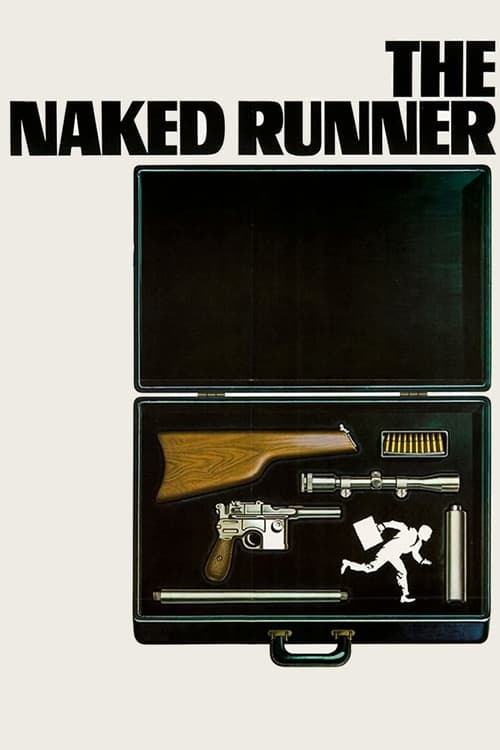
The Naked Runner
1967
No user ratings available yet
Representation score: 2.8 out of 10
Representation Score
Limited
1967
RDirector
Philippe Condroyer
Runtime
85 minutes
Average Rating
No ratings yetNew Showbiz Analysis
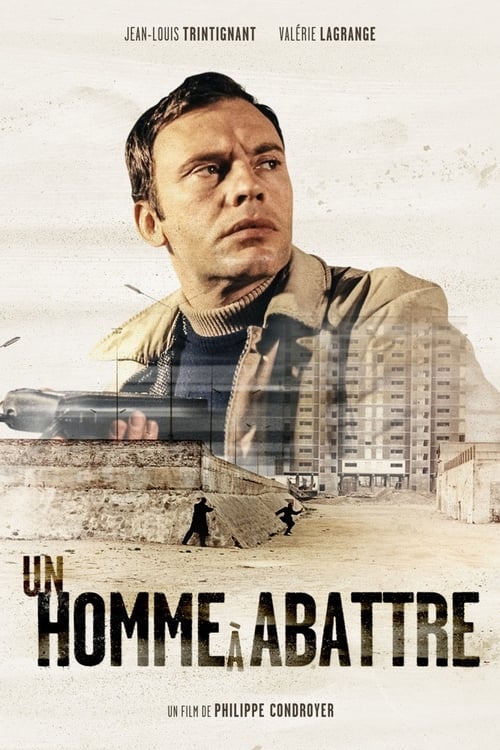
A Man to Kill is a period-specific psychological thriller that prioritizes political and moral complexity over demographic diversity. The film's narrative architecture is built around masculine-coded conflict and the deconstruction of individual identity. While the film scores low in traditional representation categories like gender and LGBTQ+ identity, it finds depth through its cultural engagement. It challenges the sanctity of state institutions and explores the ethics of systemic retribution. Ultimately, the work functions as a nuanced exploration of historical trauma and the ambiguity of justice rather than a diverse character study.
Category Breakdown
The film focuses on a high-stakes political thriller involving antifascist militants. There are no LGBTQ+ characters or representations of non-straight relationships.
The story is heavily dominated by male characters involved in a vigilante operation. While not explicitly misogynistic, the plot lacks significant roles for women and centers on masculine-coded vengeance.
Set in Barcelona, the film features an international cast of German and French characters. It reflects post-war European migration but lacks significant non-white representation.
The narrative explores subjective morality by centering on an antifascist death squad. It critiques established power structures by framing vigilantism as a response to historical injustice.
No visible or invisible disabilities are portrayed as central to the character arcs or the progression of the plot.
Present on Screen
Limited or Absent
Official Synopsis
Barcelona, 1967. Hans Fromm, a German-born architect, lives an well-ordered everyday life. He has become the target of an antifascist death squad though. Indeed their leader, Julius, whose brother was killed by Schmidt, a merciless S.S., believes, without being absolutely certain, that Fromm and Schmidt are the same man. The team, whose other members are Georges, the son of a deportee liquidated by Schmidt craving for action, Raphaël, a mercenary type, Nils, the photographer and Romain, watch Fromm's every move until Julius, convinced at last that the quiet German is their man, gives the green light for the operation. They manage to lure the former Nazi to an old house but Schmidt/Fromm won't let himself be captured so easily...
1967
1976
1982

1969

2007
1967
2019
1974
No reviews yet. Be the first to share your thoughts on this movie!
Use the rating form above to leave a star rating and optional review.