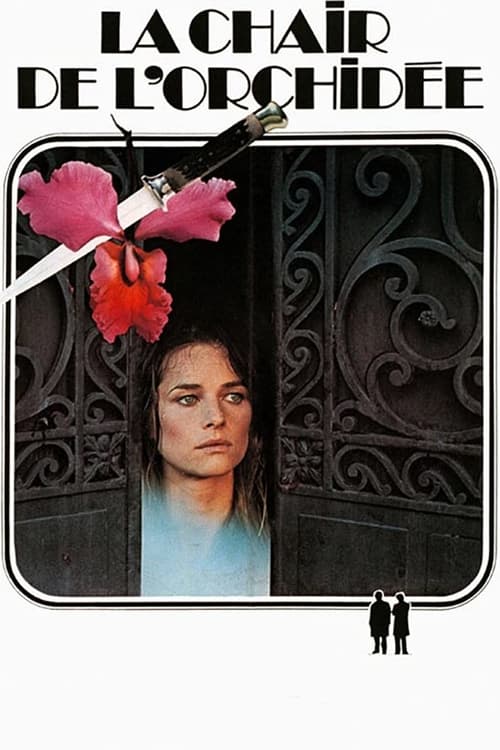
Flesh of the Orchid
1975
No user ratings available yet
Representation score: 4.8 out of 10
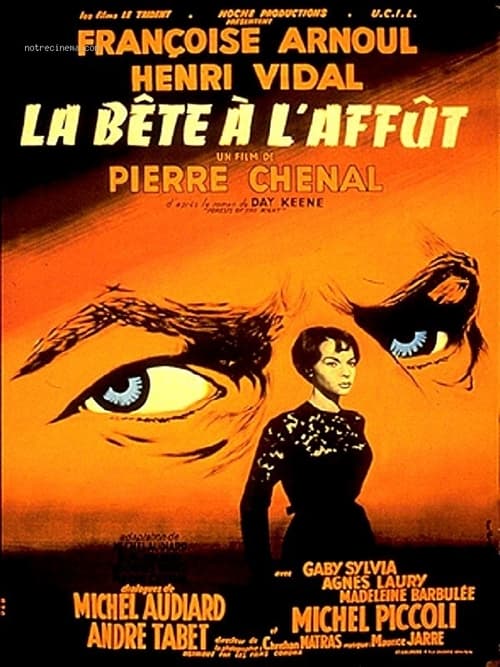
Representation Score
Limited
1959
Director
Pierre Chenal
Runtime
95 minutes
Average Rating
No ratings yetNew Showbiz Analysis
Pierre Chenal’s thriller succeeds as a character study that prioritizes psychological interiority over rigid institutional morality. By centering the plot on the moral ambiguity of a fugitive and the empathy of a widow, the film explores complex human emotions. However, the work remains a product of its era, lacking modern multi-layered diversity. The cast appears demographically homogeneous, and the narrative adheres to traditional romantic structures. Ultimately, the film's strength is its refusal to provide easy answers. It trades clear-cut justice for a nuanced exploration of doubt and subjective morality.
Category Breakdown
The film does not include explicit LGBTQ+ characters or non-straight relationships. It follows conventional romantic structures focusing on the relationship between a widow and a male fugitive.
Elisabeth Vernon challenges traditional gender roles by taking a leading, active role in the story. She has the power to influence the protagonist's fate, shifting the power dynamic towards the female lead.
The cast reflects the demographic homogeneity typical of 1959 French cinema. There is no indication of a diverse cast or the use of non-human species as metaphors.
The film disrupts moral certainties by prioritizing situational ethics over strict legal duties. It frames conflict as a personal psychological struggle rather than a battle between good and evil.
The film provides no information regarding the depiction of physical or mental disabilities.
Present on Screen
Limited or Absent
Official Synopsis
Melun, on 1959. On the return to an auction, a young and attractive widow, Elisabeth Vernon, finds at her home(with her) a wounded escapee of prison. The fugitive, Daniel Morane, is a handsome boy and justifies himself crimes(murders) of which we accuse it. The young woman is allowed convince, seduce, feels sorry, and agrees to help him(it). But during their escape(mare), the doubt seizes her …
1975
1955
1959

1964
1957

1956

1960

1951
No reviews yet. Be the first to share your thoughts on this movie!
Use the rating form above to leave a star rating and optional review.