Operación Masacre
1973
No user ratings available yet
Representation score: 5.5 out of 10
Representation Score
Limited
1975
Not RatedDirector
José Luis Borau
Runtime
97 minutes
Average Rating
No ratings yetNew Showbiz Analysis
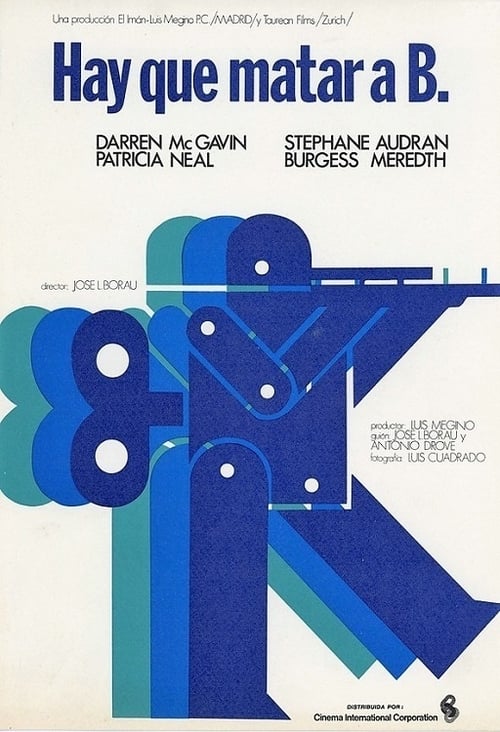
B. Must Die is a gritty political thriller that prioritizes systemic critique over modern characters who reflect more than one aspect of diversity. It succeeds in deconstructing institutional morality, showing how corruption and mob mentality can force an individual into extreme, antisocial actions. While the film provides a powerful look at the friction between individual ability to act and oppressive social structures, it remains limited by the social constraints of its era. The narrative is heavily centered on patriarchal power dynamics and lacks visibility for queer or diverse identities. Ultimately, the film's strength lies in its ability to challenge the stability of traditional political institutions. It frames the protagonist as a victim of systemic dysfunction, offering a progressive view of moral relativism despite its narrow demographic focus.
Category Breakdown
The film does not include any LGBTQ+ characters or non-assuming gender matches what was assigned at birth identities. The storyline centers on political intrigue and socioeconomic pressures within a strike-driven setting.
The story is driven by male-centric plotlines involving labor disputes and political exile. It adheres to traditional masculine roles and hierarchies typical of mid-20th-century dramas.
Set in a fictitious South American country, the film suggests a non-Anglo-Saxon environment. However, character dynamics focus on class and political affiliation rather than racial diversity.
The film offers a sophisticated critique of traditional institutions and systemic corruption. It portrays collective social structures as sources of instability, challenging the notion of a unified moral order.
There are no prominent depictions of physical or neurodivergent disabilities. No such identities serve as central narrative arcs or character developments in this work.
Present on Screen
Limited or Absent
Official Synopsis
In a fictitious South American country there's lots of political tension, the labor-unions have all their members on strike. The public demands the return of politician B. from exile. However private trucker Pal can't afford to strike, so he's beaten up and his truck burned. In the headlines he's described as strike-breaker. This is only part of an intrigue which shall get him to murder B.
1973

2020
1984
1972
1976

1974
1965
2001
No reviews yet. Be the first to share your thoughts on this movie!
Use the rating form above to leave a star rating and optional review.