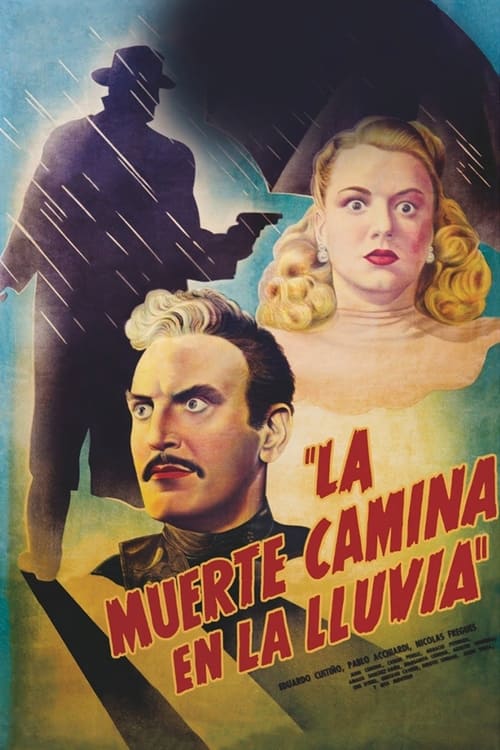
La muerte camina en la lluvia
1948
No user ratings available yet
Representation score: 4.2 out of 10
Representation Score
Fair
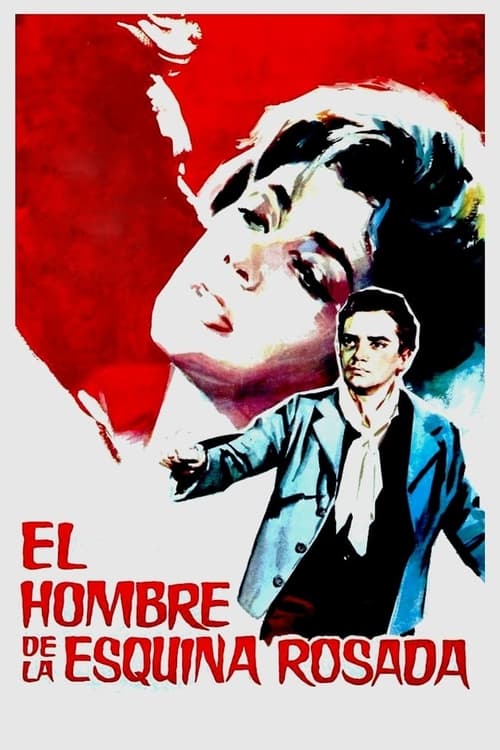
1962
Director
René Múgica
Runtime
66 minutes
Average Rating
No ratings yetNew Showbiz Analysis
René Múgica’s direction emphasizes a socially conscious narrative that prioritizes regional identity over Western clichés. The film examines systemic tensions through a localized perspective. While the film successfully provides a platform for non-Anglo-Saxon perspectives, it remains confined by mid-century genre conventions. The focus on masculine conflict and the absence of visible women's ability to drive the story or LGBTQ+ representation limit its diversity profile. Ultimately, the work’s strength lies in its cultural specificity and its potential to critique social structures, though specific characters who reflect more than one aspect of diversity is not confirmed.
Category Breakdown
The mention of a 'pink corner' suggests a possible connection to non-traditional identities, but the film does not confirm any LGBTQ+ characters or same-sex relationships.
The story focuses on a male stranger and violent confrontation, emphasizing traditional masculine roles. Female characters have minimal influence and do not drive the plot.
Produced in Mexico, the film highlights non-Anglo-Saxon viewpoints and local social dynamics, moving away from Hollywood-centric narratives.
The film explores community tensions during a local festival, using social realism to highlight conflicts between individuals and traditional social structures.
There is no documented depiction of physical or neurodivergent disabilities in the film.
Present on Screen
Limited or Absent
Official Synopsis
During a local festival, a mysterious stranger appears in town, heading towards a violent confrontation.
1948
1953
1966
1986
1967
1962
1971
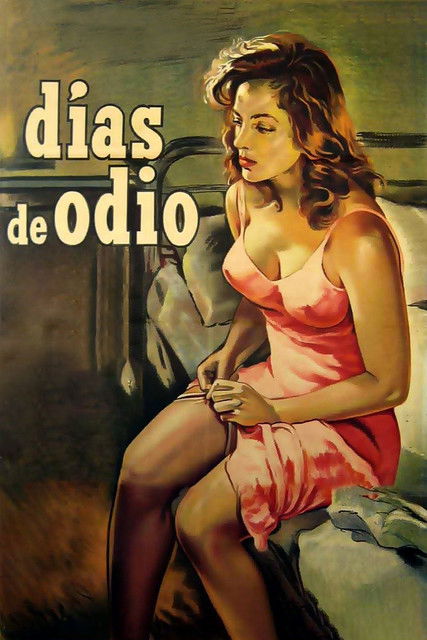
1954
No reviews yet. Be the first to share your thoughts on this movie!
Use the rating form above to leave a star rating and optional review.