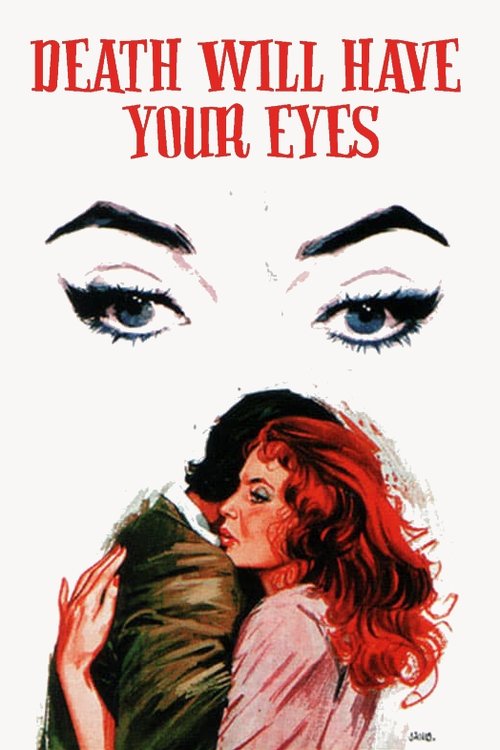
Death Will Have Your Eyes
1974
No user ratings available yet
Diversity score: 3.7 out of 10
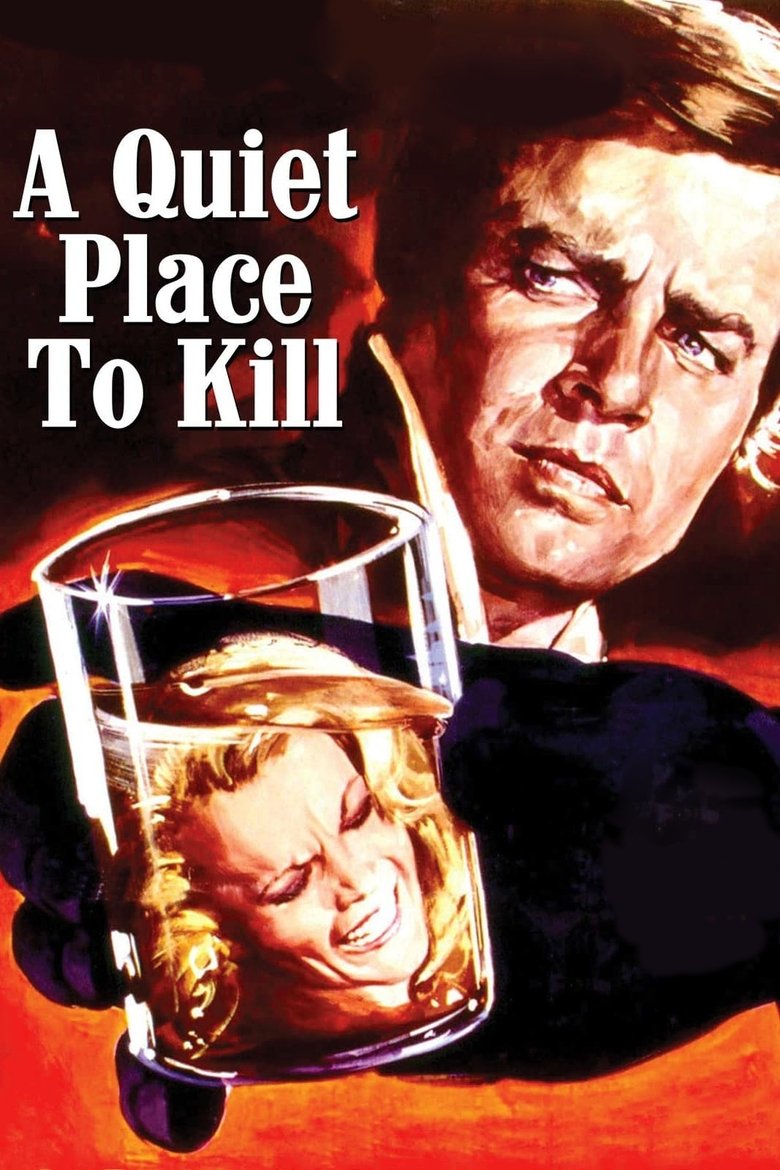
1970
NRDirector
Umberto Lenzi
Runtime
94 minutes
Average Rating
No ratings yetSynopsis
A race-car driver who's down on her luck is invited by her ex-husband's wife to stay at their plush villa. The two women form a bond, and it's not long before their mutual dislike for the husband culminates into a plan to kill him. As it turns out, though, they're not alone in plotting murder.
Overall Score
Fair
Category Breakdown
LGBTQ+ Representation
The film centers on an intense, volatile bond between two women. While they share a murderous objective against a husband, there is no explicit confirmation of queer identity.
Gender Representation
The narrative disrupts traditional hierarchies by centering female agency. Instead of being victims, the women become the architects of a plot that subverts patriarchal authority.
Racial & Ethnic Diversity
The film follows a homogeneous casting pattern typical of 1970s European genre cinema. There is no evidence of significant racial blending or diverse casting.
Religious & Cultural Diversity
The story critiques the sanctity of the traditional family unit. It frames the domestic sphere as a site of conspiracy and moral breakdown.
Disability Representation
There is no discernible evidence regarding the inclusion of characters with physical or neurodivergent disabilities.
Strengths
Areas for Improvement
AI Analysis
A Quiet Place to Kill offers a compelling subversion of gender roles by placing female agency at the heart of its thriller plot. The film effectively dismantles the trope of the dominant male protector, instead positioning the husband as a target of a calculated female alliance. However, the film's impact is limited by the era's casting norms. The lack of racial diversity and the absence of explicit LGBTQ+ identifiers prevent a higher score, despite the narrative's interesting exploration of non-traditional female bonds. Ultimately, the film succeeds as a study of fractured domesticity and moral ambiguity, even if it remains within the stylistic boundaries of 1970s Italian genre cinema.
1974
1975
1997

1956
1978
1954
1969
1947
1960
1976
1957

1980
No reviews yet. Be the first to share your thoughts on this movie!
Use the rating form above to leave a star rating and optional review.