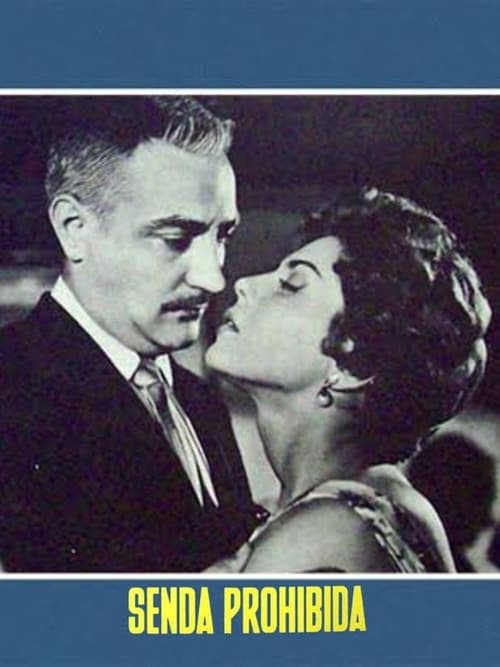
Senda prohibida
1961
No user ratings available yet
Representation score: 2.0 out of 10

Representation Score
Limited
1961
TV-14Director
Alfredo B. Crevenna
Runtime
90 minutes
Average Rating
No ratings yetNew Showbiz Analysis
Teresa is a period drama centered on a female protagonist's journey towards social advancement. While it highlights female-driven ability to act, it is constrained by the traditional social norms of 1961 Mexico. The film showcases cultural diversity by featuring a predominantly non-Anglo-Saxon cast, yet it adheres to the ethnic archetypes of the time. It emphasizes individual success over a broader critique of societal or economic structures. Overall, the film operates within the traditional dramatic framework of the era, reflecting its social norms rather than challenging them through modern lenses.
Category Breakdown
The film does not include any LGBTQ+ identities or same-sex relationships, sticking to traditional heterosexual romance conventions of the time.
The story revolves around a female protagonist whose ability to influence the plot depends on her beauty and intelligence to overcome poverty. This aligns with the traditional gender roles of the era.
The film features a mostly non-Anglo-Saxon cast, providing a diverse range of characters that deviate from typical Hollywood standards. However, it employs ethnic stereotypes common to the period.
The movie examines class tensions through the lens of extreme poverty, focusing on individual success rather than critiquing systemic issues.
There is no indication of characters with visible or invisible disabilities in this production.
Present on Screen
Limited or Absent
Official Synopsis
Teresa is a beautiful and intelligent young woman, desperately seeking to leave the grinding poverty of the neighborhood where she lives.
1961

1957

1958

1961
1959

1945

1987

1965
No reviews yet. Be the first to share your thoughts on this movie!
Use the rating form above to leave a star rating and optional review.