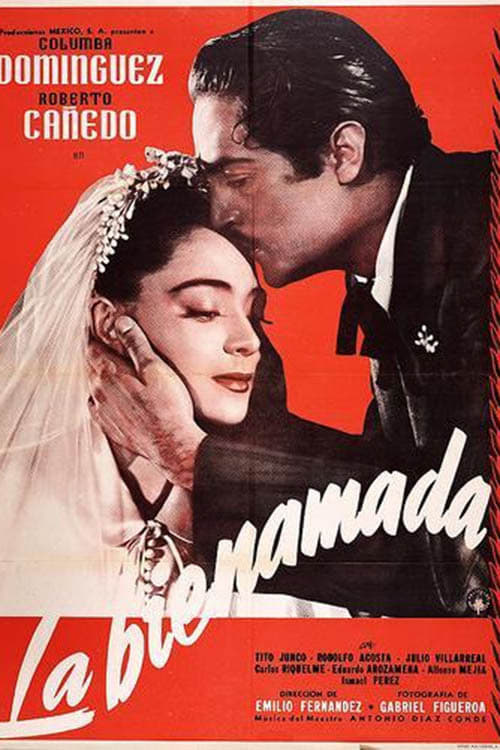
La bienamada
1951
No user ratings available yet
Representation score: 3.4 out of 10
Representation Score
Limited
1963
Director
Roberto Gavaldón
Runtime
93 minutes
Average Rating
No ratings yetNew Showbiz Analysis
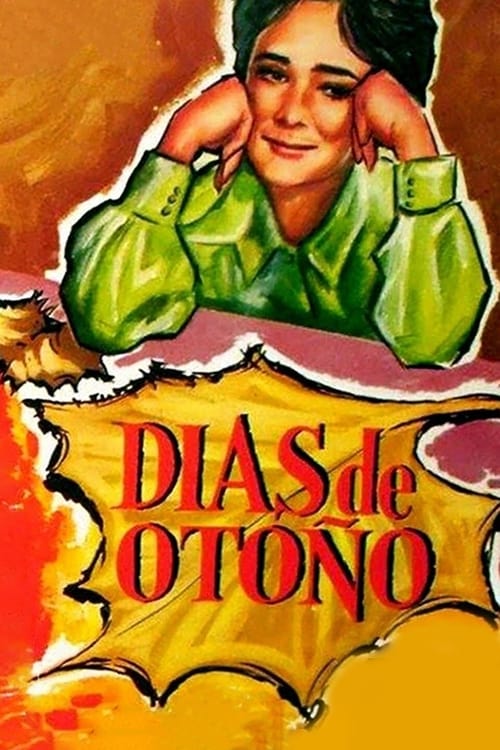
Autumn Days stands out as a sophisticated character study that prioritizes psychological realism over simplistic moral binaries. By centering the plot on Luisa's ability to act and her decisive romantic choices, the film elevates the female protagonist beyond passive roles typical of mid-century melodrama. The production maintains a strong, culturally authentic Mexican identity, providing a localized perspective that avoids Western-centric biases. However, the film's scope is largely interpersonal. While it explores complex emotional landscapes and moral relativism, it lacks representation for LGBTQ+ identities or disabilities, and it does not engage in broader systemic or institutional critiques.
Category Breakdown
The film focuses on Luisa's romantic and social aspirations and her interactions with male characters. There are no representations of non-straight or non-cisgender identities or same-sex relationships.
Luisa drives the narrative, making decisions about marriage that challenge the small-town social order. She plays a significant role in the story, but the film is still rooted in mid-century social structures.
The film features a predominantly Mexican cast and setting, avoiding the whitewashing common in Western-centric productions. It provides a localized, non-Anglo-Saxon perspective on domestic life.
The story explores personal truths and moral ambiguity through its characters' subjective experiences. However, it does not engage with broader systemic critiques, focusing instead on personal melodrama.
There is no evidence of the portrayal of physical or neurodivergent disabilities within the narrative.
Present on Screen
Limited or Absent
Official Synopsis
Luisa is a small-town girl who works in the bakery of the widower Don Albino. Luisa dreams of marrying and loves children. Just as Don Albino shows interest in her, Luisa announces that she will marry soon with Carlos, the driver of a rich house whom she met recently...
1951

1951
1951
1962
1965

1964
1946

1969
No reviews yet. Be the first to share your thoughts on this movie!
Use the rating form above to leave a star rating and optional review.