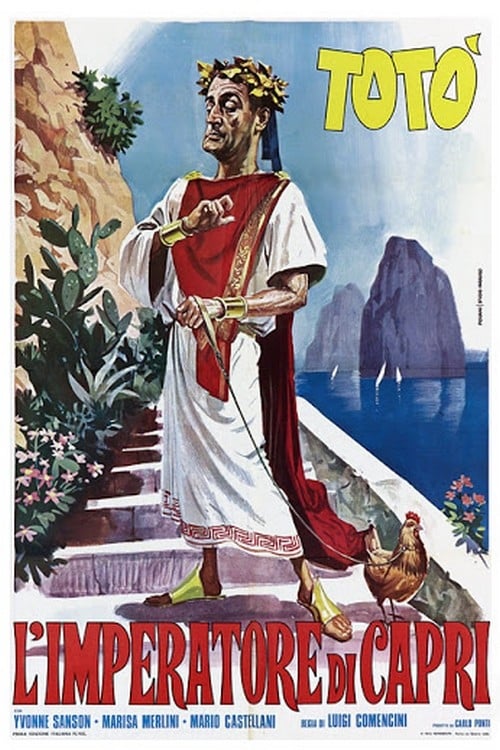
The Emperor of Capri
1949
No user ratings available yet
Representation score: 2.0 out of 10
Representation Score
Limited
1958
Director
Eduardo De Filippo
Runtime
100 minutes
Average Rating
No ratings yetNew Showbiz Analysis
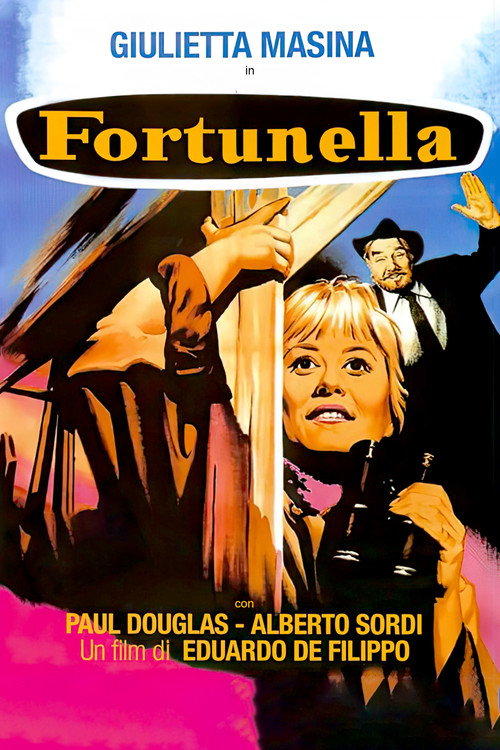
Fortunella focuses on class dynamics and social status, using a child's perspective to explore the gap between perceived and actual social standing. The film does not address contemporary issues like LGBTQ+ representation or racial diversity, which aligns with the demographic norms of 1950s Italian cinema. It centers on class mobility and traditional gender roles.
Category Breakdown
The film does not include any characters or stories related to LGBTQ+ identities or experiences.
The main character is a woman, but her role seems confined to traditional mid-century gender roles centered around family and home life.
Produced in Italy in 1958, the film reflects the homogeneous demographics of its time, focusing on social hierarchy rather than racial diversity.
The story questions traditional social hierarchies through a child's misunderstanding of royalty, highlighting the arbitrary nature of social status.
There is no specific information available regarding the depiction of physical or neurodivergent disabilities within this work.
Present on Screen
Limited or Absent
Official Synopsis
A poor girl is convinced she is the daughter of a prince.
1949
1981
1955

1978
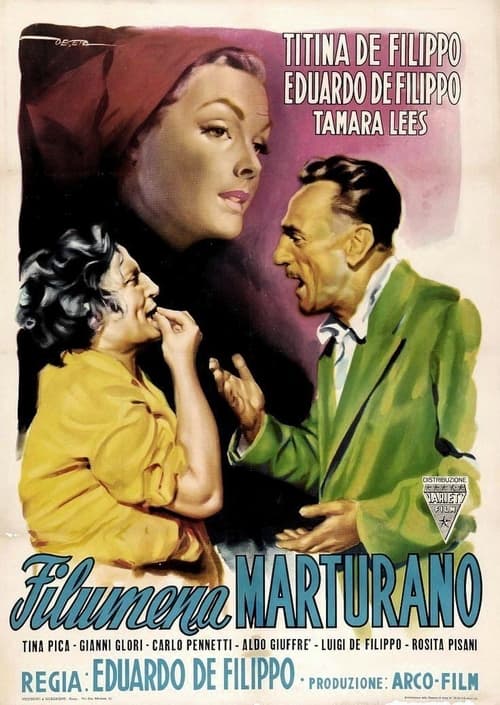
1951
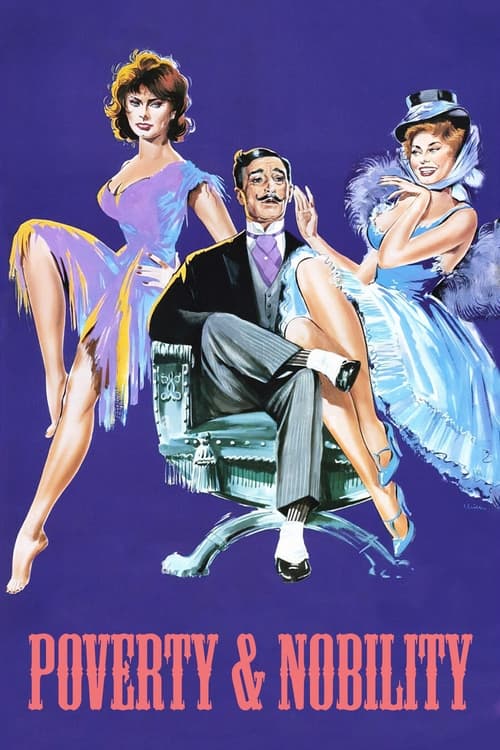
1954
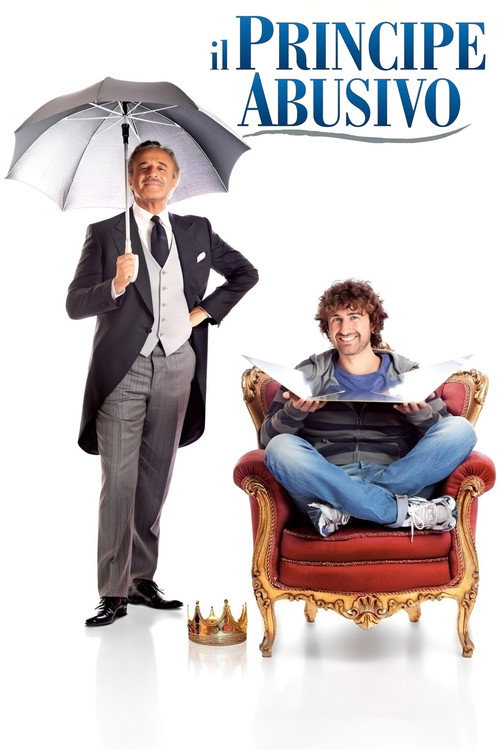
2013
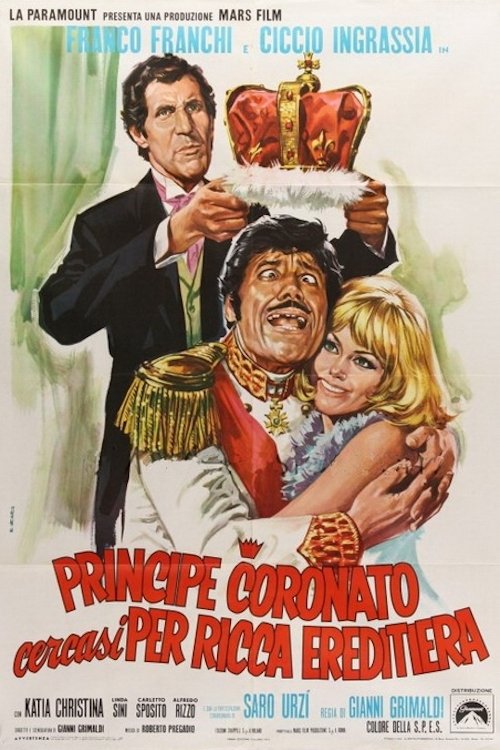
1970
No reviews yet. Be the first to share your thoughts on this movie!
Use the rating form above to leave a star rating and optional review.