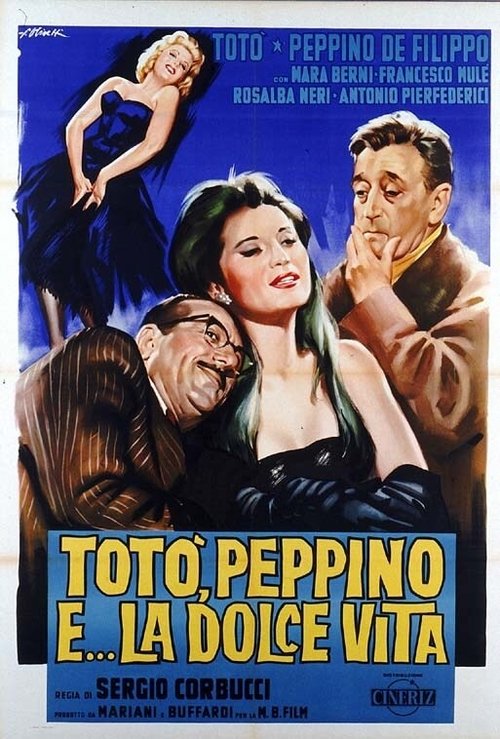
Totò, Peppino and... the Sweet Life
1961
No user ratings available yet
Representation score: 3.2 out of 10
Representation Score
Limited
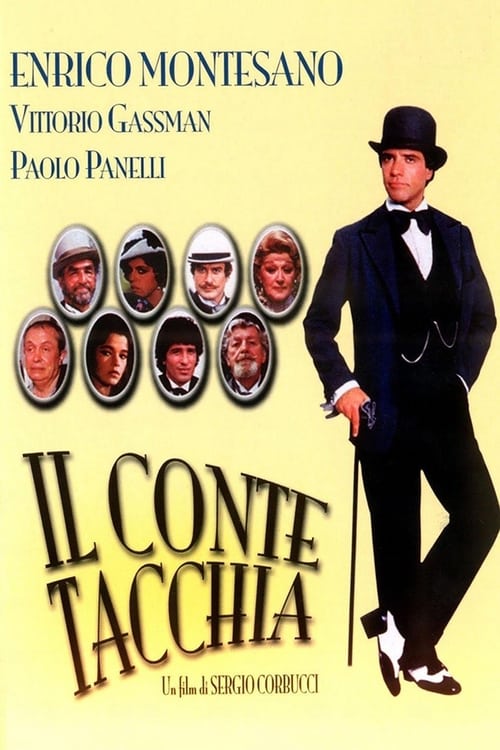
1982
Director
Sergio Corbucci
Runtime
117 minutes
Average Rating
No ratings yetNew Showbiz Analysis
Il conte Tacchia is a period comedy that prioritizes class satire over diverse representation. The film's strength lies in its skepticism toward established social hierarchies and traditional authority figures. While the story lacks diversity in terms of race and LGBTQ+ identities, it provides a meaningful critique of imperialist and nationalist structures. The protagonist's disillusionment with war and the decay of the nobility suggest a progressive thematic architecture. Ultimately, the film explores individual ability to act and social mobility against the backdrop of crumbling social orders.
Category Breakdown
The film does not include any LGBTQ+ characters or non-assuming gender matches what was assigned at birth identities. The romantic storyline revolves around a heterosexual relationship between Francesco and Duchess Elisa.
Duchess Elisa demonstrates ability to act by embarking on a transnational journey to America. She avoids being confined to domestic roles and pursues personal aspirations alongside the protagonist.
The narrative centers on Italian working classes and European aristocracy. There is no meaningful multi-layered or diverse casting related to race or ethnicity.
The story critiques traditional institutions by depicting the nobility as a decaying force. It also challenges imperialist fervor through the protagonist's rejection of wartime atrocities.
There are no characters identified as having visible or invisible disabilities within the narrative.
Present on Screen
Limited or Absent
Official Synopsis
In 1900 in Rome, the poor carpenter Francesco, by a twist of fate, is recognized component of a noble family in the process of decay. Francesco knows the cynical and ruthless Prince Torquato Terenzi, disappointed by life and progress, and also falls in love with the beautiful Duchess Elisa. When Prince Terenzi dies, Francesco realizes that he's not enriched for nothing with the inheritance, because the noble family is broke; so he enlistes himself for the war in Libya, but quickly returnes to Italy, disgusted by the atrocities of the fighting. His dream is to be a singer, and so he goes to America with the Duchess Elisa.
1961
1981
1965

1952
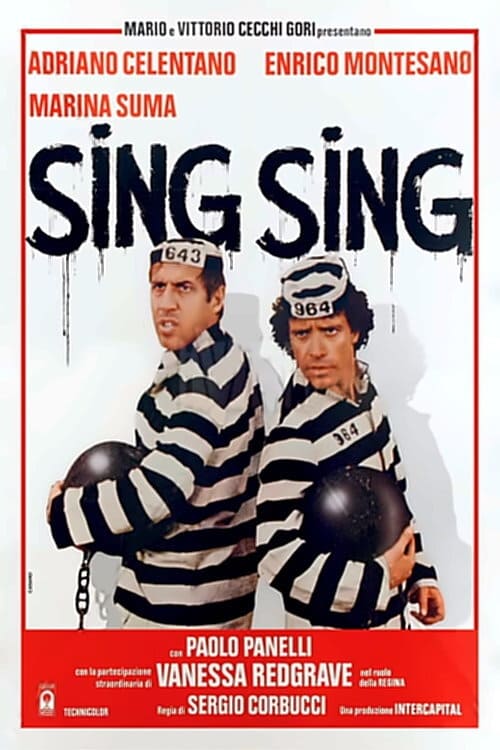
1983

1952
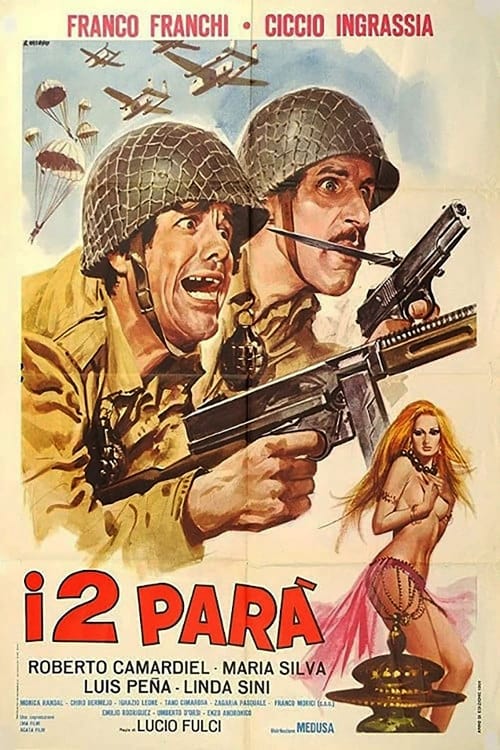
1965
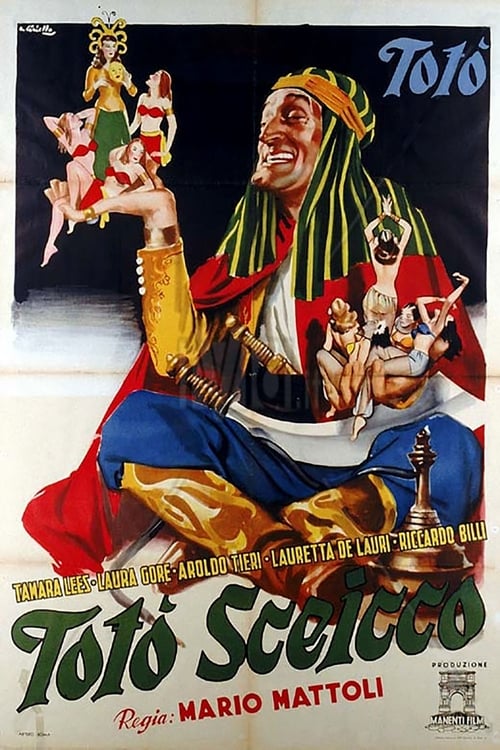
1950
No reviews yet. Be the first to share your thoughts on this movie!
Use the rating form above to leave a star rating and optional review.