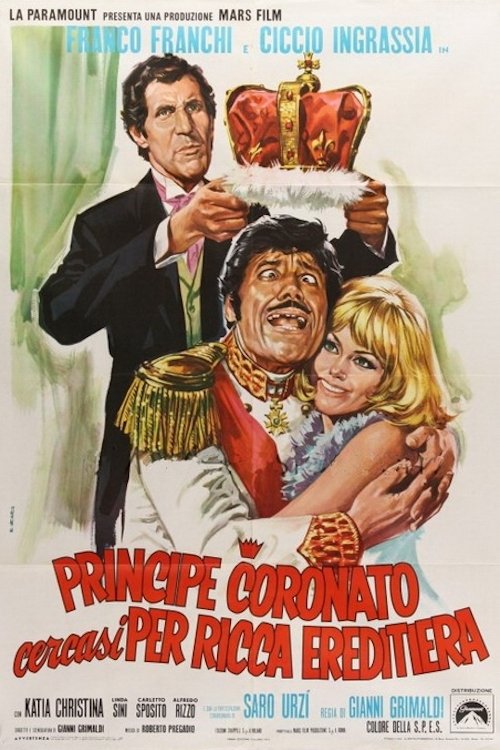
Principe coronato cercasi per ricca ereditiera
1970
No user ratings available yet
Representation score: 2.5 out of 10
Representation Score
Limited
1986
Director
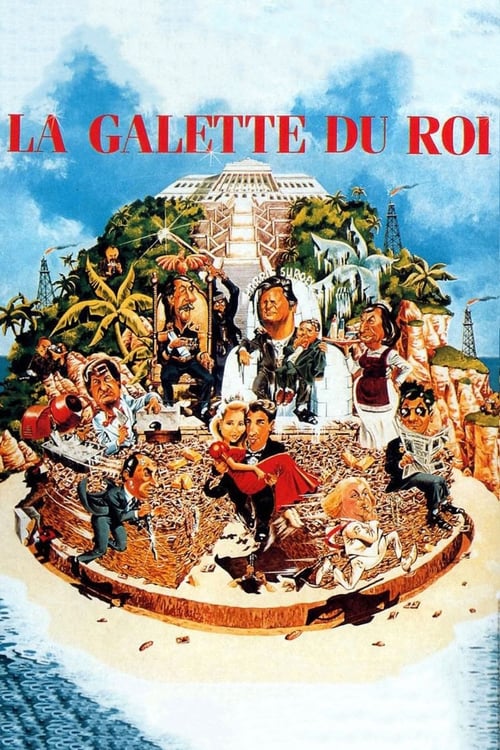
Jean-Michel Ribes
Runtime
90 minutes
Average Rating
No ratings yetNew Showbiz Analysis
La Galette du roi primarily functions as a traditional comedic farce. Its strength lies in satirizing the dignity of state institutions, portraying leadership as inept and driven by gambling debts rather than moral authority. However, the film lacks complexity in representing diverse identities. It focuses on a narrow, homogeneous European social structure without characters who reflect more than one aspect of diversity for LGBTQ+ individuals, diverse racial groups, or people with disabilities.
Category Breakdown
The film adheres to conventional structures that assume everyone is straight or cisgender, focusing on a traditional royal marriage without showing any same-sex relationships or non-binary identities.
The cowardly king subverts traditional masculine leadership, but the plot still relies on patriarchal clichés. The princess is portrayed as a transactional asset in a financial deal.
The setting and production reflect a homogeneous European framework typical of 1980s French farces. There is no evidence of diverse racial or ethnic casting.
The film offers a cynical critique of Western institutional stability, portraying the royal family as a bankrupt entity driven by greed.
There are no visible or invisible disabilities depicted as central to the character arcs or the progression of the plot.
Present on Screen
Limited or Absent
Official Synopsis
In this conventional, broadly comic farce of greed and royal matrimony, nearly bankrupt businessman Victor Harris is marrying Maria-Helena, a princess who comes with a dowry that is made up of one half of her island kingdom. Her father, the cowardly King Arnold III is counting on the money this marriage will bring him. The country is now almost bankrupt because of the king's gambling debts. As Harris and the king look forward to their illusory profits from the royal merger, other characters add some liveliness to the otherwise predictable story.
1970

1981
1958
1980

1969
1938
1963
1981
No reviews yet. Be the first to share your thoughts on this movie!
Use the rating form above to leave a star rating and optional review.