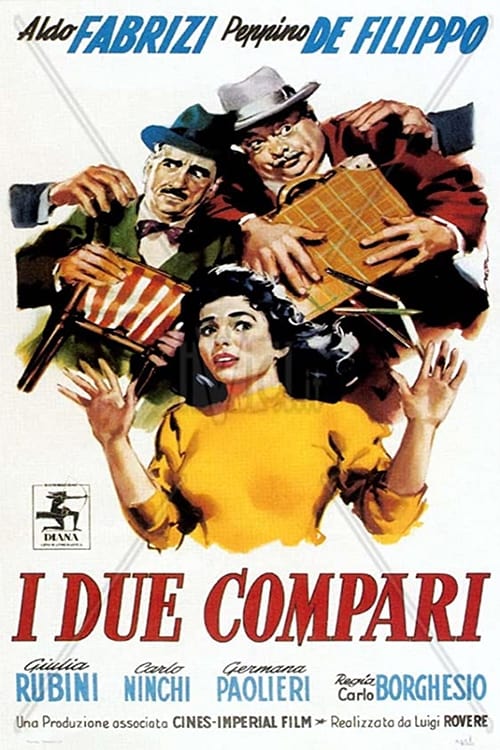
I due compari
1955
No user ratings available yet
Representation score: 1.3 out of 10

Representation Score
Minimal
1954
Director
Mario Mattoli
Runtime
90 minutes
Average Rating
No ratings yetNew Showbiz Analysis
Mario Mattoli’s comedy is a period piece that prioritizes the friction of class mobility over modern identity politics. While it offers a subtle critique of social oppression, it remains bound by the traditional frameworks of its era. The film excels at exploring the divide between the aristocracy and the working class. It uses the chaos of social performance to highlight the inequities of 19th-century Italian hierarchy. However, the work lacks representation for LGBTQ+ identities, racial diversity, or disability. It functions primarily as a study of socioeconomic status and patriarchal social structures.
Category Breakdown
The film follows traditional 19th-century social structures, focusing on heterosexual marriages and does not depict any non-cisgender identities or same-sex relationships.
Female characters such as Gemma are defined by their family roles and romantic pursuits. The narrative reinforces patriarchal hierarchies and emphasizes male control within the social masquerade.
The cast is ethnically uniform, reflecting the 19th-century Italian setting. The story focuses on internal class divisions rather than racial or multi-layered identities.
The film provides a nuanced critique of class-based hierarchies. It contrasts declining nobility with the working class, presenting the poor with significant dignity.
There are no depictions of physical or neurodivergent disabilities. Characters are defined by their socioeconomic status rather than their health or physical abilities.
Present on Screen
Limited or Absent
Official Synopsis
Eugene, a young nobleman, asks two penniless idlers to impersonate his noble relatives to help him marry Gemma, the daughter of an enriched cook.
1955
1981

1953

1978
1967

1961

1960
1983
No reviews yet. Be the first to share your thoughts on this movie!
Use the rating form above to leave a star rating and optional review.