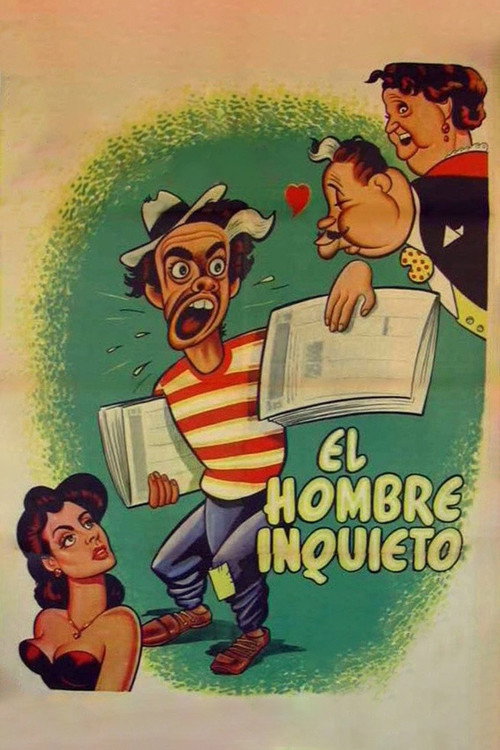
El hombre inquieto
1954
No user ratings available yet
Representation score: 3.6 out of 10
Representation Score
Limited
1945
Director
Humberto Gómez Landero
Runtime
97 minutes
Average Rating
No ratings yetNew Showbiz Analysis
The film primarily serves as a social comedy that critiques class distinctions rather than exploring diverse identities. Its strength lies in using satire to challenge social hierarchies and examine the tension between rural poverty and urban wealth. However, the film is limited by the conventions of its era. It lacks representation for LGBTQ+ individuals and disability, while gender roles remain traditional with limited roles for women. Overall, the film is a critique of class mobility and the performative nature of status, making it a period-specific commentary on social stratification.
Category Breakdown
The film does not include any LGBTQ+ characters or narratives. It seems to follow the traditional social structures of its time.
The story focuses on a male protagonist driven by personal ambition, reflecting traditional gender roles from the 1940s where men hold most of the power.
The film centers around Latin American identities and domestic social dynamics. It highlights the journey of a working-class protagonist from rural poverty to the city.
The story uses satire to criticize the superficiality of wealth through a mistaken identity plot. It also critiques the rigidity of class-based morality and capitalist social structures.
There is no information about characters with physical or neurodivergent disabilities.
Present on Screen
Limited or Absent
Official Synopsis
A poor young man is mistaken for a millionaire when he travels to the city to fulfill his dream of being a singer.
1954
1948
1948

1926

1943
1962

1943
1946
No reviews yet. Be the first to share your thoughts on this movie!
Use the rating form above to leave a star rating and optional review.