
Deep in the Woods
2010
No user ratings available yet
Diversity score: 3.7 out of 10

2019
Director
Benoît Jacquot
Runtime
99 minutes
Average Rating
No ratings yetSynopsis
Year 1763. Forced into exile, the famous libertine Giacomo Casanova leaves Paris and travels to London, where he meets Marianne de Charpillon, a young prostitute to whom he is so attracted that he forgets about the other women.
Overall Score
Limited
Category Breakdown
LGBTQ+ Representation
The film focuses entirely on the heteronormative romance between Casanova and Marianne. It lacks queer subtext or non-cisnormative identities, adhering strictly to traditional 18th-century romantic frameworks.
Gender Representation
The narrative subverts masculine dominance by highlighting Casanova's physical decline and loss of agency. While Marianne is a prostitute, she exerts significant emotional influence, challenging the trope of the passive female object.
Racial & Ethnic Diversity
The cast is predominantly white and Anglo-European, reflecting the historical context of 18th-century Europe. The film opts for a period-accurate, homogeneous depiction rather than using diverse casting to critique social structures.
Religious & Cultural Diversity
The story explores subjective morality and human connection rather than religious dogma. However, it does not actively seek to deconstruct Western institutions or promote anti-religious sentiments.
Disability Representation
The film addresses the decline of the human condition through Casanova's waning vitality. While not depicting a clinical disability, it uses aging as a central driver of the plot.
Strengths
Areas for Improvement
AI Analysis
Benoît Jacquot’s drama offers a nuanced psychological study that subverts traditional masculine archetypes. By focusing on Casanova's vulnerability and aging, the film moves away from the idealized strength typically associated with the legendary libertine. However, the film remains deeply rooted in conventional historical storytelling. It lacks intersectional diversity and does not engage in overt critiques of the social hierarchies of the 18th century. Ultimately, the work prioritizes individual interiority and period accuracy over systemic representation or social disruption.
2010
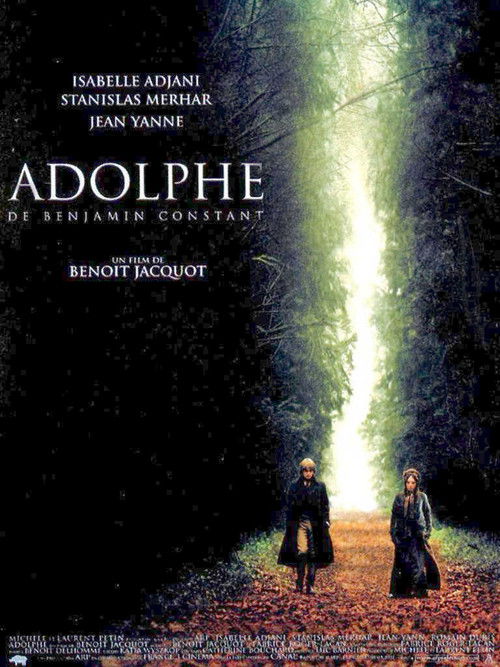
2002

2018

1984
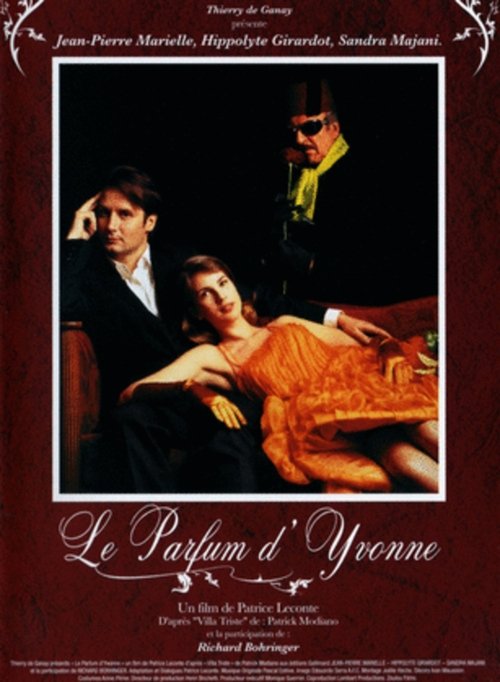
1994

1984
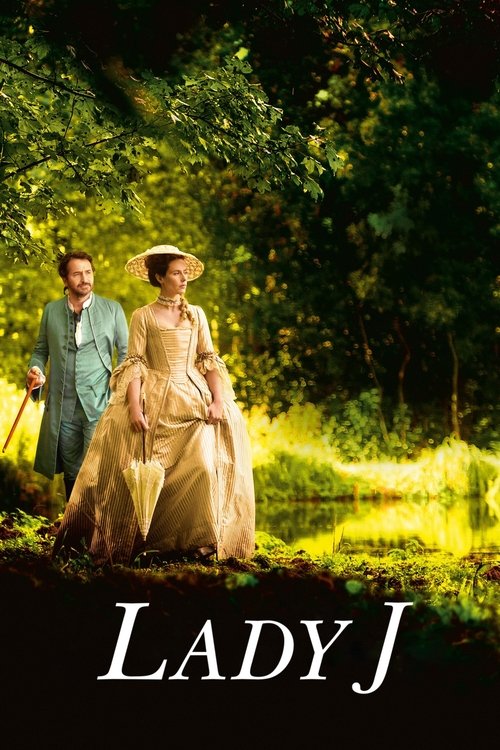
2018
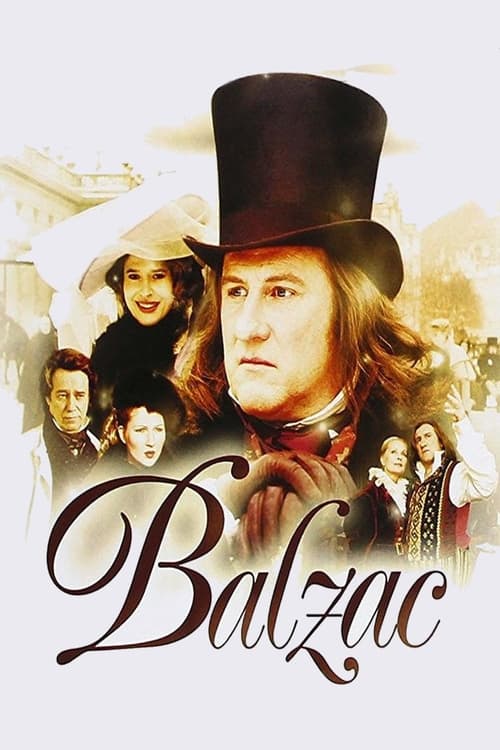
1999
2003
1967
1994

1971
No reviews yet. Be the first to share your thoughts on this movie!
Use the rating form above to leave a star rating and optional review.