Malena
2000
No user ratings available yet
Representation score: 4.0 out of 10
Representation Score
Good
1971
GPDirector
Luchino Visconti
Runtime
131 minutes
Average Rating
No ratings yetNew Showbiz Analysis
Luchino Visconti's adaptation is a profound study of obsession, driven primarily by its sophisticated handling of queer desire. By elevating repressed longing to the film's central conflict, it transcends the typical period drama clichés of its era. However, the film is strikingly narrow in its demographic scope. The focus on a male-centric psychological landscape leaves female characters with almost no control over their fate, and the European setting maintains a highly homogeneous racial profile. Ultimately, the work succeeds as a thematic exploration of moral decay and aesthetic obsession, even as it remains limited by its specialized, male-dominated perspective.
Category Breakdown
The film focuses on homoerotic desire and disrupts traditional heterosexual norms. It uses a sophisticated visual language to convey Aschenbach's obsession with Tadzio, making queer longing the central existential conflict.
The story revolves around a male-centric psychological space where female characters are sidelined. They serve as atmospheric elements rather than active agents, highlighting a narrow focus on male-driven struggles.
Set in a specific European context, the film depicts a largely homogeneous social stratum. While Tadzio is Polish, the narrative remains within the Western European aesthetic tradition.
The film deconstructs traditional Western values by showing a descent from disciplined order into aesthetic chaos. It explores the breakdown of social institutions and moral stability during a cholera epidemic.
Themes of physical and mental decay are present through the lens of illness and psychological disintegration. However, these serve as metaphors for mortality rather than providing ability to act to characters with disabilities.
Present on Screen
Limited or Absent
Official Synopsis
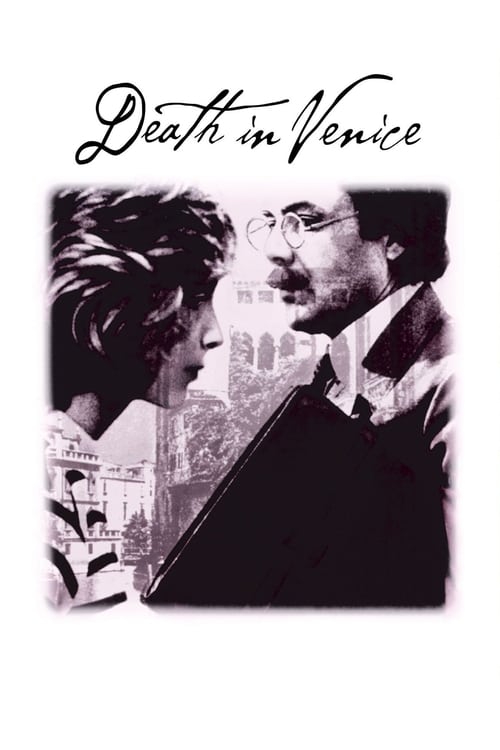
Composer Gustav von Aschenbach travels to Venice for health reasons. There, he becomes obsessed with the stunning beauty of an adolescent Polish boy named Tadzio who is staying with his family at the same Grand Hôtel des Bains on the Lido as Aschenbach.
2000
1976
2014
1973

1971
1976

1988
1952
No reviews yet. Be the first to share your thoughts on this movie!
Use the rating form above to leave a star rating and optional review.