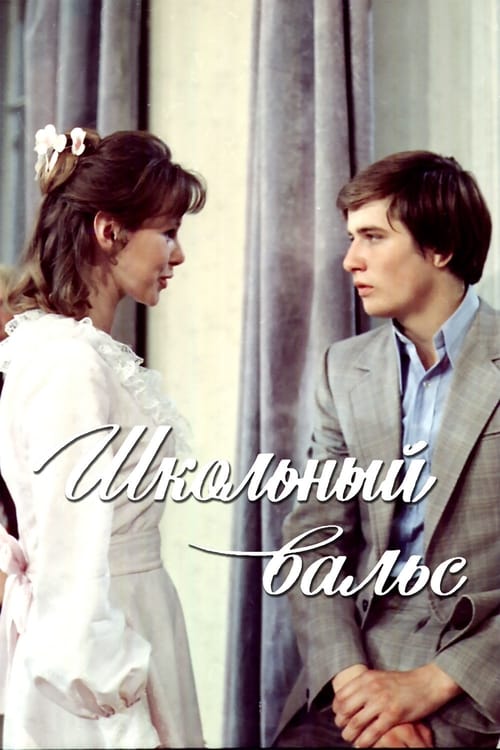
The School Waltz
1977
No user ratings available yet
Diversity score: 3.6 out of 10
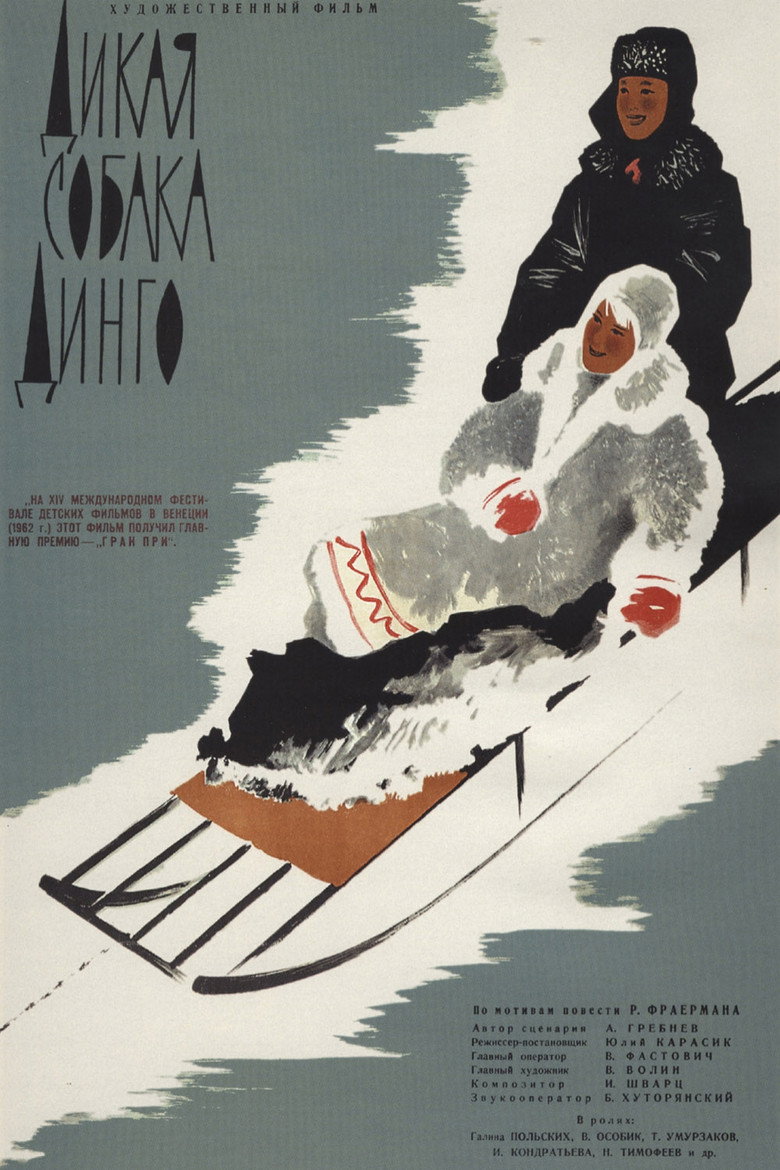
1962
Director
Yuli Karasik
Runtime
97 minutes
Average Rating
No ratings yetSynopsis
Things take an interesting turn for Tanya and her mother when her father arrives with his foster son Kolya and new wife. This film is about Kolya and Tanya's bright, pure and bitter first love.
Overall Score
Limited
Category Breakdown
LGBTQ+ Representation
The film follows a traditional heteronormative romantic arc between Tanya and Kolya. There is no evidence of LGBTQ+ characters or narratives that challenge standard romantic tropes.
Gender Representation
The story focuses on the emotional lives of female protagonists within the domestic sphere. However, it lacks evidence of women holding systemic authority or roles of superior intellect.
Racial & Ethnic Diversity
The production reflects the demographic homogeneity typical of 1962 Soviet cinema. There is no indication of non-white casting or the use of racial metaphors.
Religious & Cultural Diversity
The narrative explores kinship through the lens of a foster family unit. It leans toward sentimentalism rather than deconstructing social or state institutions.
Disability Representation
The film contains no mention of characters with visible or invisible disabilities.
Strengths
Areas for Improvement
AI Analysis
The Wild Dog Dingo operates as a conventional family drama rooted in the social realism of its era. It focuses on the emotional complexities of first love and the restructuring of a family unit through fosterage. While the film offers depth regarding domestic dynamics and kinship, it lacks intersectional agency. The narrative adheres to the traditional dramatic structures and cultural norms of 1962 Soviet cinema. Ultimately, the film prioritizes individual emotional development over systemic critique or the subversion of established social hierarchies.
No reviews yet. Be the first to share your thoughts on this movie!
Use the rating form above to leave a star rating and optional review.