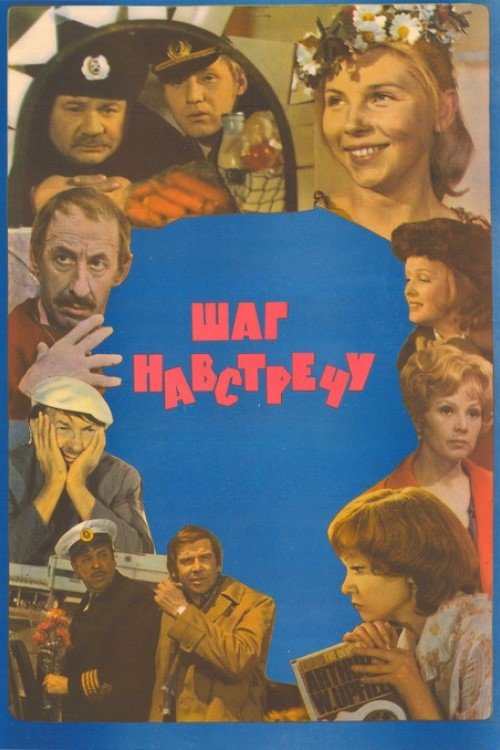
Step Forward
1975
No user ratings available yet
Representation score: 6.2 out of 10

Representation Score
Limited
1960
Director
Georgi Shchukin, Semyon Tumanov
Runtime
83 minutes
Average Rating
No ratings yetNew Showbiz Analysis
Alyosha's Love is a mid-century Soviet narrative that emphasizes social cohesion and the romanticization of collective labor. The plot follows a young man's integration into a professional geological detachment through his pursuit of a traditional romance. While the film effectively conveys communal values and the importance of group integration, it lacks modern multi-layered complexity. Character dynamics rely heavily on conventional social structures and a homogeneous setting. Ultimately, the film serves as a window into the era's focus on shared purpose, though it offers limited representation of diverse identities or non-traditional lifestyles.
Category Breakdown
The film centers on a heterosexual relationship between Alyosha and Zinka. There is no indication of LGBTQ+ identities or same-sex relationships.
The story revolves around a male-dominated geological team. Although Zinka plays a key emotional role, her part seems framed within a traditional romantic context.
Set in the steppe, the film likely depicts a homogeneous ethnic environment. There is no evidence of diverse racial backgrounds among the main characters.
The narrative highlights collectivist values and communal scientific work. It emphasizes social harmony and shared goals over individualist or consumerist motivations.
The film does not provide any information about characters with physical, sensory, or neurodivergent disabilities.
Present on Screen
Limited or Absent
Official Synopsis
Summer of 1960. A detachment of exploration geologists is working in the steppe region, and among them is Alyoshka, a guy who, before entering the geological exploration institute, decided to walk with geologists. Unskillful and messy in everyday life, he becomes the object of their jokes and practical jokes, which are not always harmless. However, his persistent character, his timid and pure love for the switchwoman Zinka, who lives with her grandfather on a crossing lost in the steppe, makes the guys from the squad take a different look at this inconspicuous guy and at his relationship with each other.
1975
1962
1955
1977
1963
1959

2010
2010
No reviews yet. Be the first to share your thoughts on this movie!
Use the rating form above to leave a star rating and optional review.