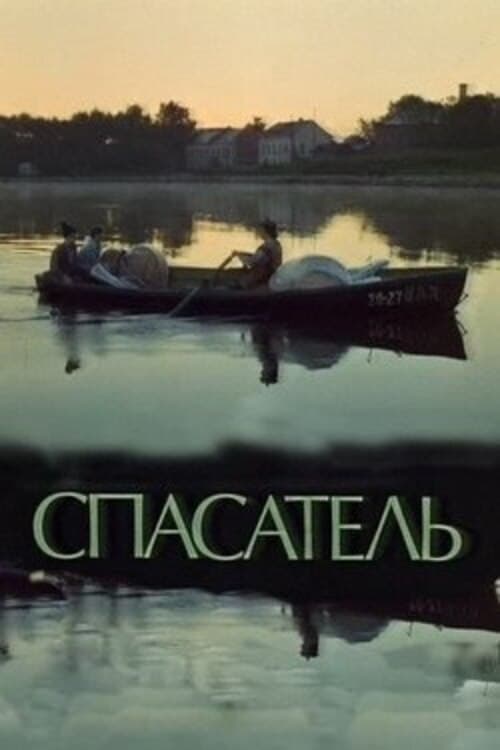
The Rescuer
1980
No user ratings available yet
Representation score: 4.9 out of 10
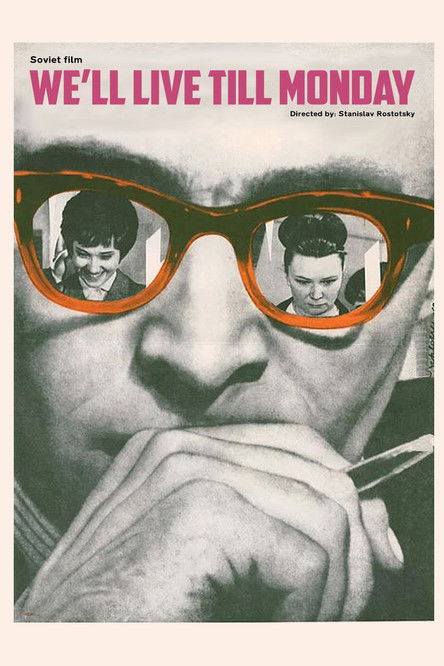
Representation Score
Limited
1968
Director
Stanislav Rostotsky
Runtime
106 minutes
Average Rating
No ratings yetNew Showbiz Analysis
Stanislav Rostotsky’s drama is a character-driven exploration of mentorship and moral growth. It emphasizes psychological realism and the complexities of the human experience over demographic diversity or social subversion. The film is deeply rooted in its historical and cultural context, functioning as a humanist drama that delves into personal ethics within a localized setting. Overall, the work lacks the layered markers of modern cinema, focusing instead on the transition from adolescence to adulthood through a traditional lens.
Category Breakdown
The film follows the social norms of 1968 Soviet society and does not depict any non-binary gender identities or same-sex relationships, sticking strictly to the assumption that everyone is straight and cisgender.
Gender dynamics align with the societal norms of the time. The teacher holds intellectual influence, but the film does not challenge traditional gender roles or highlight gender-specific ability to act.
The cast is ethnically uniform, reflecting the demographics of the Soviet Union during that period. The story does not explore multiculturalism or the overlapping aspects of diverse identities.
The story centers on subjective morality and ethical relativism, examining humanistic values through a student's essay on happiness without focusing on institutional or state-driven ideologies.
Characters are portrayed as fully capable. There are no significant representations of physical or neurodivergent disabilities used as central themes or plot devices.
Present on Screen
Limited or Absent
Official Synopsis
A respected history teacher, Ilya Semenovich Melnikov, decides to quit his job due to distressing rumors about a colleague who is in love with him. His final week is disrupted when a student's controversial essay on happiness sparks a classroom conflict. Melnikov's intervention in the situation ultimately causes him to reconsider his decision to resign.
1980
1939
1961
1951
1958
1973
1956

1967
No reviews yet. Be the first to share your thoughts on this movie!
Use the rating form above to leave a star rating and optional review.