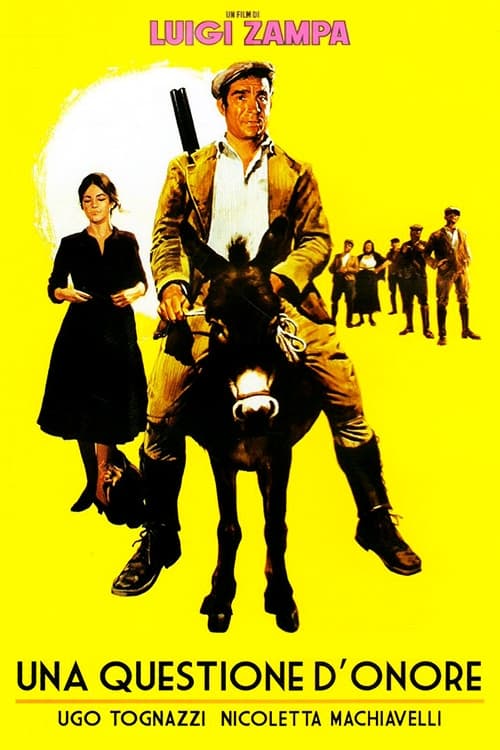
A Matter of Honor
1966
No user ratings available yet
Representation score: 0.6 out of 10

Representation Score
Fair
1964
Not RatedDirector
Pietro Germi
Runtime
118 minutes
Average Rating
No ratings yetNew Showbiz Analysis
Pietro Germi’s film is a sharp, satirical critique of Sicilian social structures and performative morality. It succeeds by dismantling the sanctity of traditional institutions, particularly the Church and the patriarchal family unit. By exposing the hypocrisy of 'honor,' the film moves beyond simple drama into systemic social commentary. However, the film is limited by its narrow demographic focus. It lacks LGBTQ+ representation and focuses on a homogeneous regional population. While it addresses class, it does not engage with broader perspectives on diversity. Ultimately, the film's strength lies in its intellectual depth regarding gendered power dynamics and religious hegemony, even if it lacks modern demographic breadth.
Category Breakdown
The film does not include any LGBTQ+ characters or non-straight relationships. It centers on traditional heterosexual relationships and the societal consequences of a conservative mindset.
The movie critiques patriarchal structures by highlighting the unequal treatment between men and women. It challenges the protector archetype by showing masculine roles as sources of predatory behavior.
The film reflects the homogeneous demographics of a specific Sicilian setting. It uses class distinctions to create social hierarchies rather than presenting a multicultural perspective.
Germi uses satire to criticize the hypocrisy of the Catholic Church and the local elite. The film portrays communal morality and the family unit as oppressive surveillance mechanisms.
There are no prominent depictions of visible or invisible disabilities that drive the narrative or serve as central character arcs.
Present on Screen
Limited or Absent
Official Synopsis
The film presents the tale of Agnese Ascalone, daughter of prominent miner Vincenzo Ascalone, and takes place in a small town in Sicily. Agnese is seduced by her sister Matilde's fiancé, and has a tryst with him for which she confesses and tries to repent, only to be discovered by her mother and father.
1966
1961

1962

1972

2003

1973
1976

1984
No reviews yet. Be the first to share your thoughts on this movie!
Use the rating form above to leave a star rating and optional review.