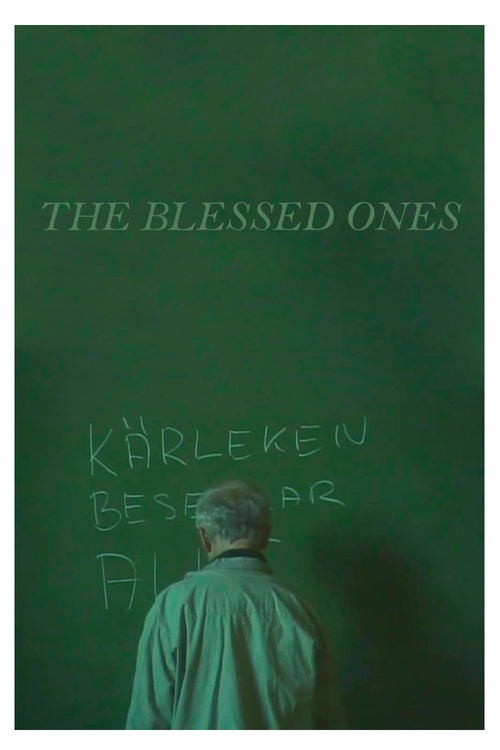
The Blessed Ones
1986
No user ratings available yet
Diversity score: 5.0 out of 10
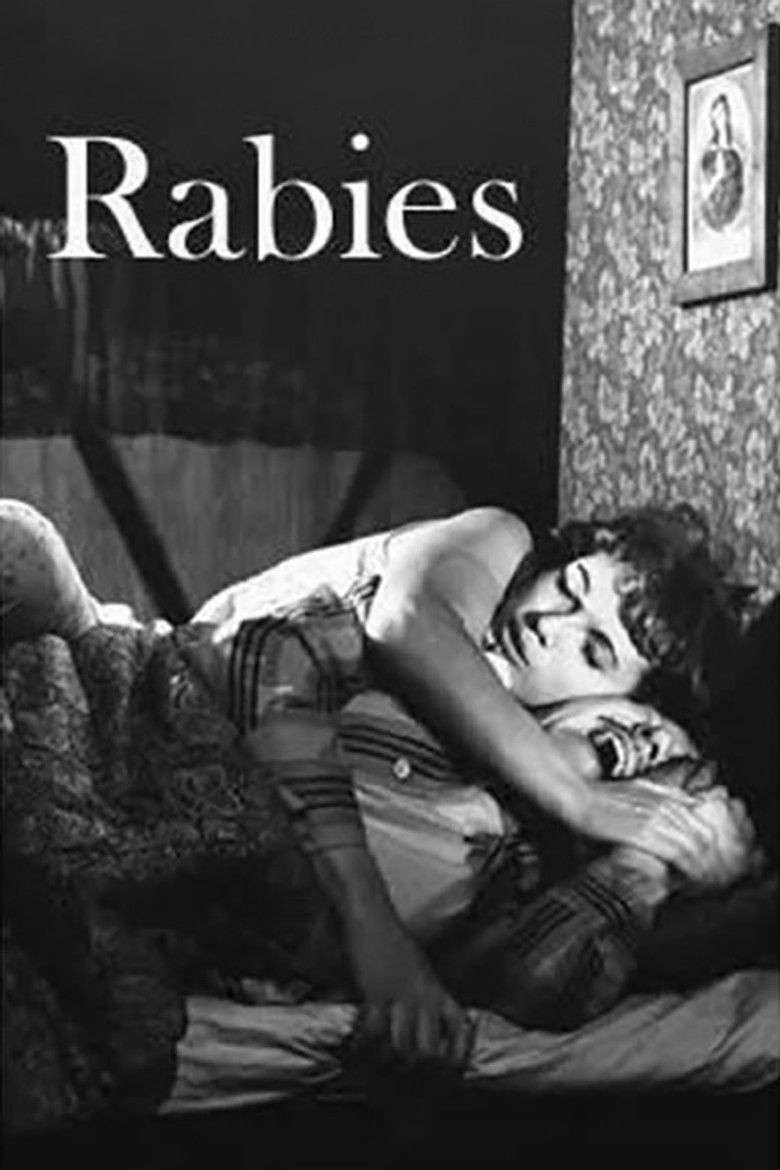
1958
Director
Ingmar Bergman
Runtime
89 minutes
Average Rating
No ratings yetSynopsis
Structured as six interconnected episodes, Rabies depicts cruelty as a contagious force: each character, wounded or humiliated, passes that violence on to another. Filmed for Swedish television, Ingmar Bergman’s adaptation of Olle Hedberg’s morality play presents human behavior as a relentless chain of transferred suffering.
Overall Score
Fair
Category Breakdown
LGBTQ+ Representation
The film lacks explicit documentation of non-heteronormative identities. While Bergman often explores repressed desire, this morality play focuses on the cycle of cruelty rather than identity politics.
Gender Representation
The narrative likely disrupts conventional gender hierarchies by deconstructing traditional authority figures. However, specific character agency regarding gender remains unconfirmed within the text.
Racial & Ethnic Diversity
The production reflects the demographic homogeneity of mid-century Scandinavia. There is no evidence of intersectional racial diversity or intentional non-white casting to challenge historical norms.
Religious & Cultural Diversity
The film offers a progressive philosophical critique of Western moral frameworks. It deconstructs the stabilizing influence of religion and state by portraying cruelty as a contagious, systemic force.
Disability Representation
The concept of being 'wounded' serves as a metaphorical catalyst for violence. There is no evidence of physical or neurodivergent disabilities being portrayed with meaningful agency.
Strengths
Areas for Improvement
AI Analysis
Rabies is a philosophical exploration of human dysfunction rather than a study in demographic representation. It functions as a morality play where cruelty acts as a contagious, transferred force between characters. The film's strength lies in its intellectual subversion, specifically its critique of traditional social and religious institutions. It replaces moral certainty with a systemic view of human suffering. However, the work is limited by its historical context. It lacks intersectional casting and explicit representation of LGBTQ+ or diverse racial identities, reflecting the homogeneity of 1958 Swedish television.
1986

2001

1988

1973
1989
1989
1969
1980
1969

1963
1949
No reviews yet. Be the first to share your thoughts on this movie!
Use the rating form above to leave a star rating and optional review.