
Villa Marguerite
2008
No user ratings available yet
Representation score: 4.9 out of 10

Representation Score
Fair
1988
Director
Stig Larsson
Runtime
119 minutes
Average Rating
No ratings yetNew Showbiz Analysis
VD (1988) is a psychological drama that emphasizes thematic depth over demographic diversity. While it lacks significant representation for LGBTQ+ and racial diversity, it excels in critiquing social structures. The film's strength lies in its deconstruction of power dynamics, presenting the managing director as a destabilizing force that challenges traditional hierarchies. However, the demographic homogeneity of its era limits its scope in terms of social representation.
Category Breakdown
The film does not include any explicit references to LGBTQ+ identities or stories that challenge traditional heterosexual relationships. The main focus is on a worker and his girlfriend, suggesting a conventional romantic plot.
The story challenges traditional masculine authority by depicting a high-status male figure as predatory and destabilizing. This portrayal frames leadership as a source of chaos rather than stability.
There is no indication of a multi-ethnic cast. The production likely reflects the demographic homogeneity typical of late-80s European television dramas.
The narrative strongly critiques Western institutional hierarchies. It portrays the professional 'boss' as an uninvited and oppressive force, challenging capitalist power structures.
The synopsis does not mention any characters navigating physical, neurodivergent, or mental health disabilities.
Present on Screen
Limited or Absent
Official Synopsis
A managing director (Ernst-Hugo Järegård) comes uninvited home to one of his workers and humiliates him and his girlfriend.
2008

1989

2017

1980
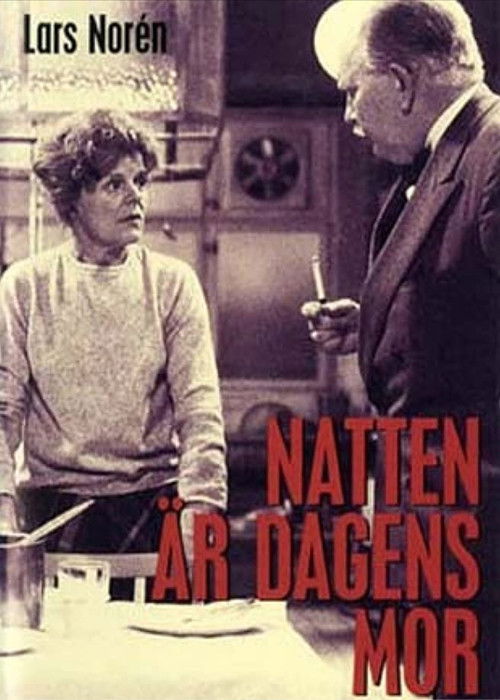
1984

2018
2017

1976
No reviews yet. Be the first to share your thoughts on this movie!
Use the rating form above to leave a star rating and optional review.