
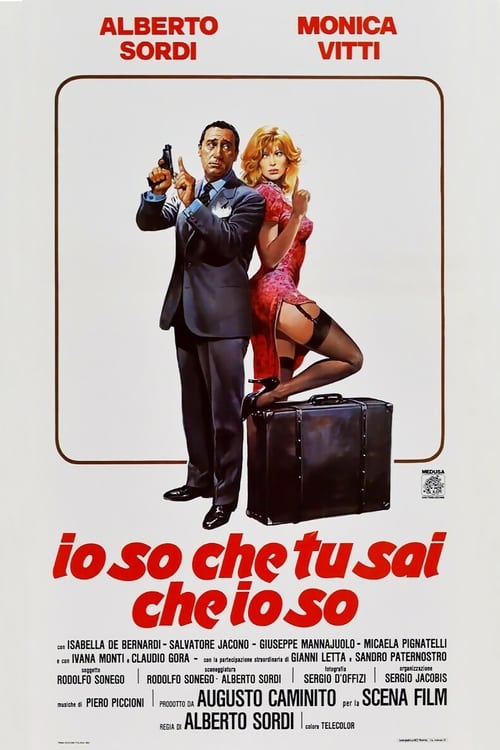
Pardon, Are You for or Against?
1966
No user ratings available yet
Representation score: 4.1 out of 10
Representation Score
Limited
1982
Director
Alberto Sordi
Runtime
114 minutes
Average Rating
No ratings yetNew Showbiz Analysis
Alberto Sordi’s comedy functions as a character study of domestic instability. By focusing on the breakdown of a middle-aged marriage, the film subtly deconstructs the idealized social facades of the Italian middle class. However, the film remains largely traditional in its demographic scope. It lacks markers reflecting multiple aspects of identity, focusing instead on a standard domestic unit within a homogeneous cultural context. While the narrative challenges the stability of the nuclear family, it does not venture into broader social representation regarding race, disability, or LGBTQ+ identities.
Category Breakdown
The film focuses on the domestic friction of a middle-aged couple and does not include any non-straight relationships or queer narratives.
The story centers on a broken marriage, which can challenge traditional domestic roles. The involvement of a private investigator highlights the disruption of the private, domestic sphere.
The film likely reflects the demographic homogeneity typical of 1982 Italian social comedies. There is no significant racial diversity or non-Mediterranean representation.
The plot examines the fragility of traditional institutions like the nuclear family. It critiques the idealized version of the domestic unit through the lens of marital instability.
There is no mention of characters navigating physical, sensory, or neurodivergent experiences. Disability does not appear to be a component of the character development.
Present on Screen
Limited or Absent
Official Synopsis
The investigations of a private eye shake up the almost broken marriage of a middle aged couple.
1966
1973
1982
1972

1980

1966
1992
1957
No reviews yet. Be the first to share your thoughts on this movie!
Use the rating form above to leave a star rating and optional review.