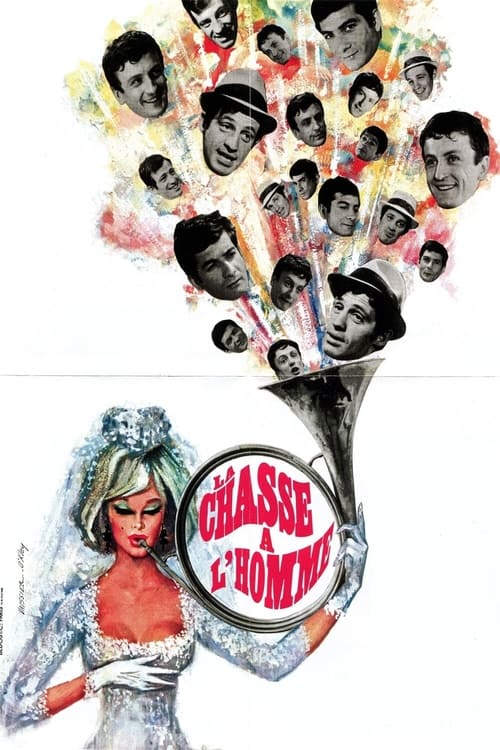
Male Hunt
1964
No user ratings available yet
Representation score: 3.6 out of 10
Representation Score
Fair
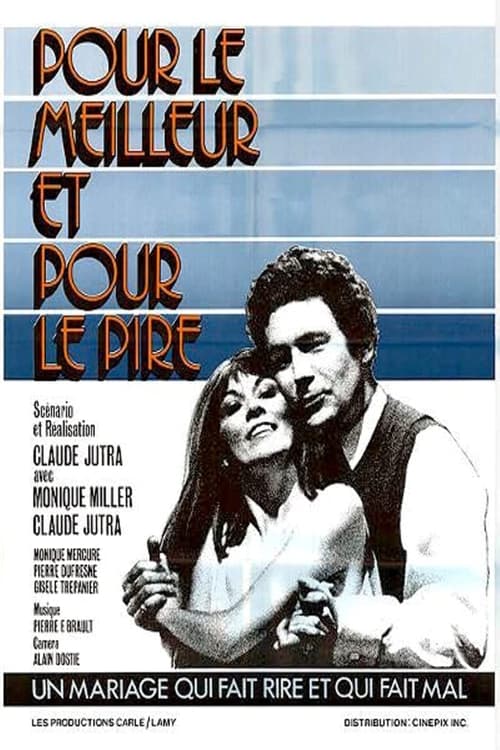
1975
Director
Claude Jutra
Runtime
117 minutes
Average Rating
No ratings yetNew Showbiz Analysis
Claude Jutra’s comedy serves as a psychological character study that deconstructs the romanticized clichés of mid-century domesticity. By using surrealism, the film moves away from idealized depictions of marriage to explore the dysfunction of the nuclear family. While the film offers a progressive critique of traditional Western institutions, it remains limited by its specific cultural and temporal context. The narrative lacks depth regarding racial and LGBTQ+ identities. Ultimately, the work succeeds as a micro-lens on the human condition, prioritizing psychological realism over broad social diversity.
Category Breakdown
The film focuses solely on a heterosexual domestic unit and does not include any queer perspectives or non-straight identities. There is no evidence of diverse LGBTQ+ representation.
The narrative challenges traditional gender roles by highlighting the emotional breakdown and miscommunication in marriage. It provides a nuanced and critical look at gendered expectations.
The setting reflects a homogeneous Quebecois social landscape typical of mid-70s regional cinema. There is no evidence of diverse racial blending or non-white casting.
The film deconstructs the ideal family unit through surrealism and moral relativism. It portrays the domestic sphere as a site of messy human negotiations rather than virtuous ideals.
The story centers on the interpersonal neuroses of a couple. There is no evidence of characters with visible or invisible disabilities being given central roles.
Present on Screen
Limited or Absent
Official Synopsis
An acerbic and surreal comedy about marriage and married life.
1964
1970

1989

2004
1966
1969
1974
1989
No reviews yet. Be the first to share your thoughts on this movie!
Use the rating form above to leave a star rating and optional review.