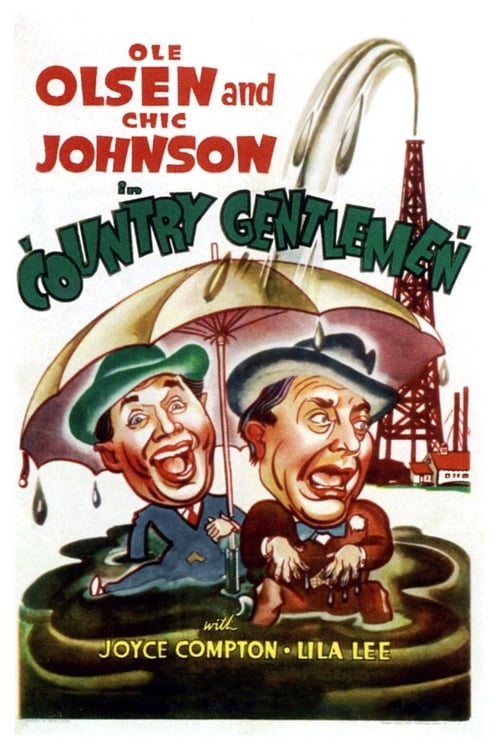
Country Gentlemen
1936
No user ratings available yet
Representation score: 1.4 out of 10
Representation Score
Minimal
1936
ApprovedDirector
Arthur Greville Collins
Runtime
75 minutes
Average Rating
No ratings yetNew Showbiz Analysis
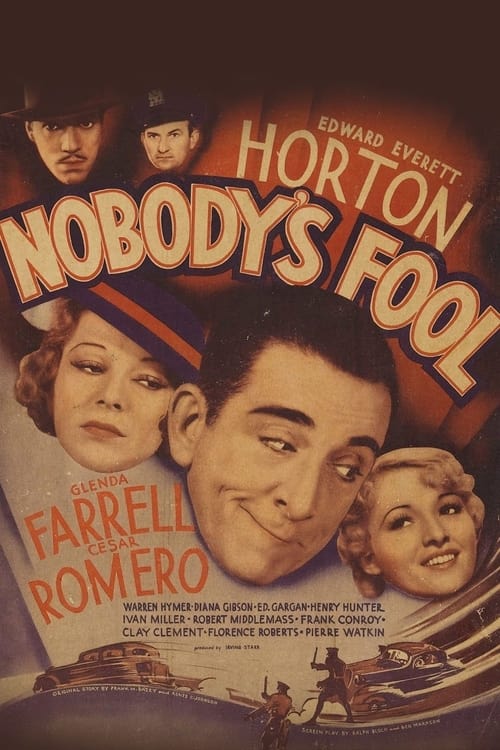
Nobody's Fool is a product of its era, utilizing the classic fish-out-of-water cliché to explore class distinctions. The narrative focuses on a naive country boy navigating the corruption of New York City real estate swindlers. Because the film follows standard 1930s comedic structures, it prioritizes traditional social hierarchies. The storytelling reinforces the period's conventional norms rather than challenging them through diverse perspectives. Ultimately, the film serves as a snapshot of mainstream Hollywood's historical focus on homogeneous casting and straight-centered storytelling.
Category Breakdown
The film adheres to the strict social norms and production codes of the 1930s. There is no evidence of LGBTQ+ identities or non-straight relationships within the narrative.
The story centers on a male protagonist's journey from the country to the city. Female characters likely occupy secondary roles that reinforce traditional domestic or romantic archetypes.
The production reflects the homogeneous casting typical of 1936 Hollywood. The film lacks evidence of diverse casting or any subversion of Anglo-centric social norms.
The plot explores class-based morality through the tension between rural innocence and urban cynicism. It upholds conventional social orders rather than critiquing systemic institutions.
There is no documented evidence regarding the inclusion or portrayal of characters with physical or neurodivergent disabilities in this work.
Present on Screen
Limited or Absent
Official Synopsis
A naive country boy goes to New York City, where he gets mixed up with real estate swindlers.
1936
1936
1935
1940
1934
1925
1925

1926
No reviews yet. Be the first to share your thoughts on this movie!
Use the rating form above to leave a star rating and optional review.