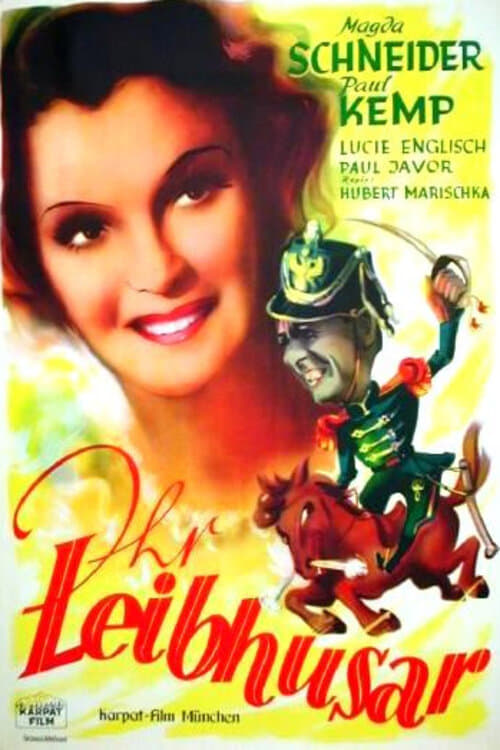
Ihr Leibhusar
1938
No user ratings available yet
Representation score: 0.8 out of 10

Representation Score
Minimal
1937
Director
Yrjö Norta, T.J. Särkkä
Runtime
84 minutes
Average Rating
No ratings yetNew Showbiz Analysis
Lapatossu reflects the demographic and social realities of 1937 Finnish cinema. The story prioritizes traditional archetypes and homogeneous social structures, focusing on regional labor and industrial life. The narrative architecture is centered around a male-dominated railway construction setting, which limits the presence of diverse gender identities or ethnic plurality. This focus emphasizes social integration and communal problem-solving over the subversion of established cultural hierarchies. Ultimately, the film serves as a period-specific reflection of mid-century norms, highlighting themes of working-class dignity and resourcefulness.
Category Breakdown
The film adheres to the social structures typical of the 1930s, where everyone is assumed to be straight or cisgender. There is no evidence of diverse sexual orientations or gender identities.
The plot centers on male protagonists in a male-dominated industrial setting. The story is primarily driven by the male characters Lapatossu and Vinski.
The production likely depicts a culturally homogeneous population. The focus on local labor suggests a lack of racial or ethnic diversity.
The narrative explores themes of working-class resourcefulness and communal utility. It operates within traditional social frameworks without challenging them.
There is no mention of characters with visible or invisible disabilities. No specific representation of individuals with disabilities is identified in the narrative.
Present on Screen
Limited or Absent
Official Synopsis
Lazy but resourceful storyteller Lapatossu solves problems at the railway construction site with his seemingly simple friend Vinski.
1938

1932

1936
1936
1947

1938
1940

1938
No reviews yet. Be the first to share your thoughts on this movie!
Use the rating form above to leave a star rating and optional review.