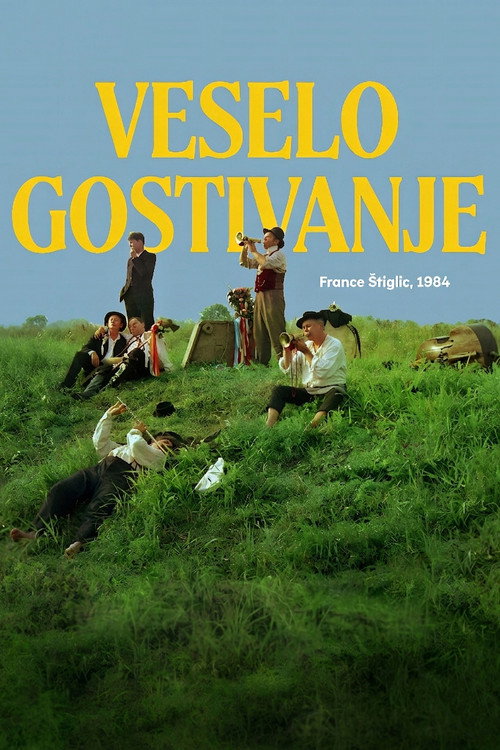
The Merry Wedding
1984
No user ratings available yet
Representation score: 4.7 out of 10

Representation Score
Minimal
1941
6Director
Peter Paul Brauer
Runtime
99 minutes
Average Rating
No ratings yetNew Showbiz Analysis
The film operates as a standard period drama that mirrors the social hierarchies of 1941. The narrative structure is built around traditional romantic and professional milestones, offering very little disruption to the status quo of the era. While the protagonist's musical ambitions provide a central conflict, the supporting characters largely serve to facilitate his development. Female characters, specifically Anna, are positioned within service-oriented or romantic roles rather than as independent agents of change. Ultimately, the production reflects a homogeneous European setting with a focus on conventional social norms. It lacks intentional diversification in terms of race, gender ability to act, or identity, adhering strictly to mid-century dramatic clichés.
Category Breakdown
The story follows a conventional romantic relationship between Stefan and Veronika. There are no characters with non-traditional gender identities or stories that challenge the idea that everyone is straight or cisgender.
The plot centers on Stefan's musical journey and personal growth. Anna serves primarily as a service worker and a romantic interest for the male lead, lacking her own independent goals.
Set in Salzburg, the film features a highly homogeneous cast. There are no characters of non-white backgrounds or racial blending in the narrative.
The film reinforces traditional Western values through themes of meritocracy and family duty. It focuses on established social structures like the conservatory.
There is no information available regarding the portrayal of physical or neurodivergent characters in this film.
Present on Screen
Limited or Absent
Official Synopsis
Against the wishes of his adoptive father, Stefan Burgstaller decides to become a musician. He goes to Salzburg, where his girlfriend Veronika is already attending the conservatory. Stefan is also accepted at the school and even receives a scholarship because of his extraordinary talent. This paves the way for a carefree student life, which Stefan enjoys to the fullest. The fun-loving guy is popular everywhere, but he seems to be particularly fond of the slightly older waitress Anna, who works in the musicians' bar "Zur Bassgeige"...
1984

1939
1920
1931
1937

1958

1950

1937
No reviews yet. Be the first to share your thoughts on this movie!
Use the rating form above to leave a star rating and optional review.