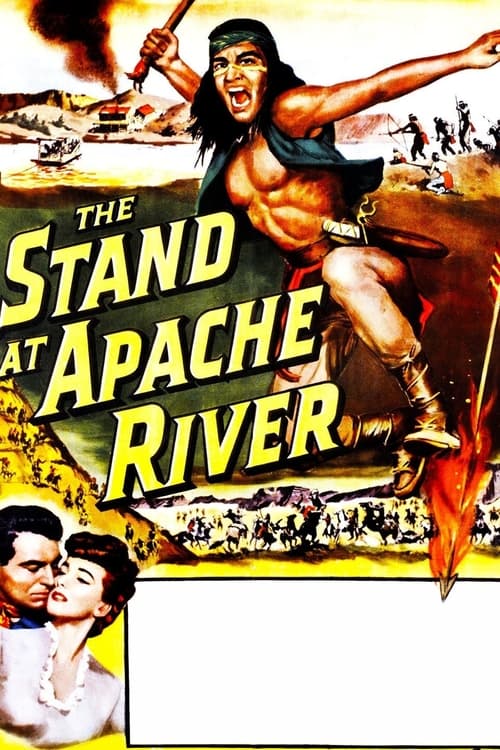
The Stand at Apache River
1953
No user ratings available yet
Representation score: 1.6 out of 10
Representation Score
Minimal
1951
ApprovedDirector
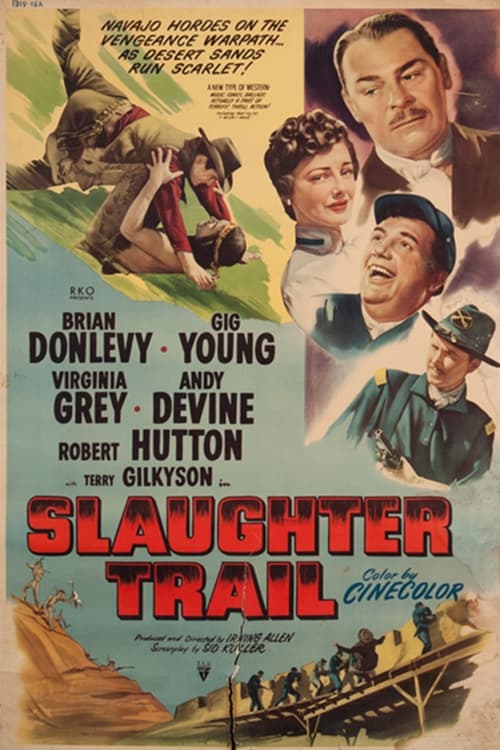
Irving Allen
Runtime
78 minutes
Average Rating
No ratings yetNew Showbiz Analysis
Slaughter Trail is a traditional 1951 Western that upholds the social and racial hierarchies of its time. The plot revolves around conflicts between outlaws and Indigenous groups but does not question the colonial power structures. The film lacks complexity in its portrayal of gender and race, focusing instead on male-driven narratives and established authority figures. It adheres to the conservative norms of its era, offering limited diversity and subversion. Overall, the narrative is a straightforward Western that prioritizes traditional frontier justice and military authority over nuanced representation.
Category Breakdown
The film does not include any LGBTQ+ identities or same-sex relationships.
The story focuses on male characters and their roles, with no significant involvement of female characters.
Indigenous peoples are portrayed as reacting to the main characters rather than having their own choices and complex stories.
The story emphasizes the dominance of Western institutions and hierarchies, without considering moral relativism or secular viewpoints.
There are no characters with visible or invisible disabilities, nor any neurodivergent representation.
Present on Screen
Limited or Absent
Official Synopsis
Three outlaws rob the stage and then flee. When their horses give out they murder some Indians to get fresh ones. But this puts the Indians on the war path and they have to take refuge in an Army fort to avoid them. The Indians then arrive offering peace if the three men are turned over to them. The fort's commanding Officer wants peace but the rules say the men must be tried in a white man's court leaving the Indians no choice but to attack.
1953
1966
1964
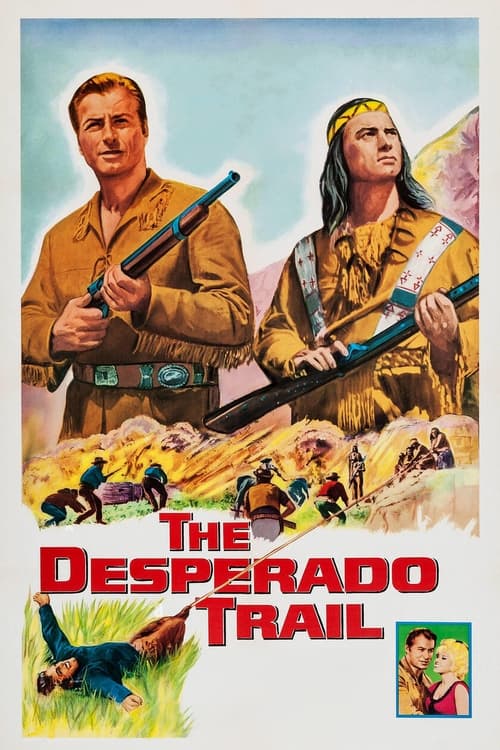
1965
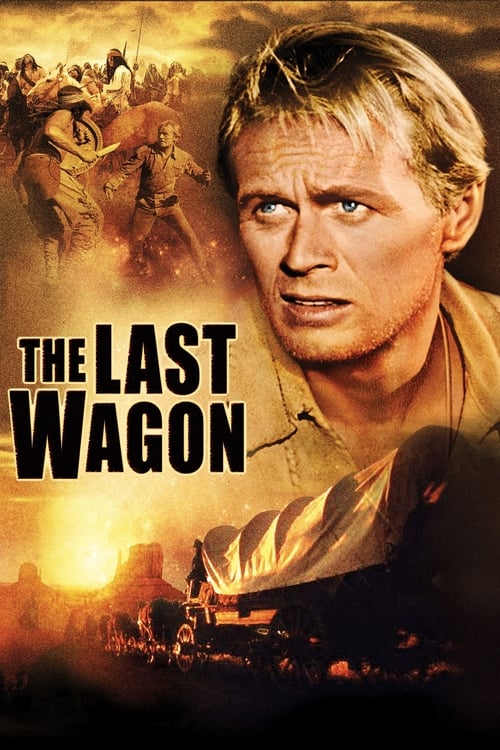
1956
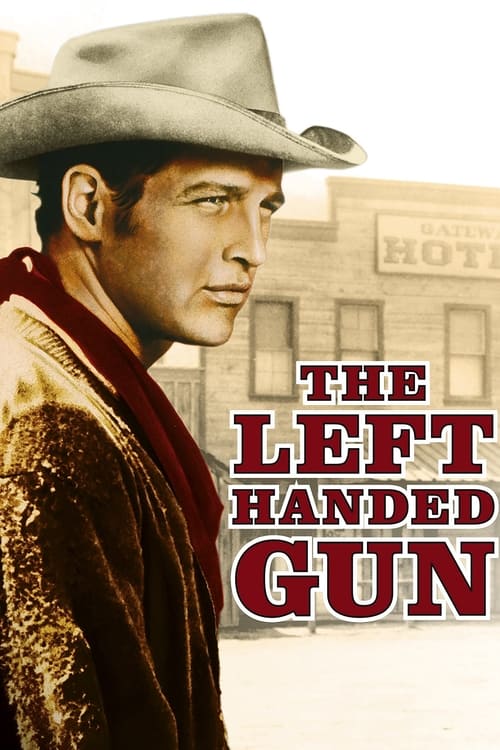
1958
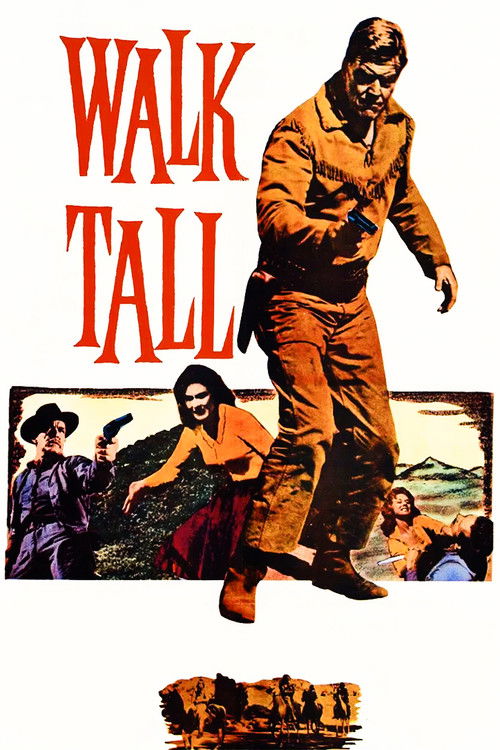
1960
1943
No reviews yet. Be the first to share your thoughts on this movie!
Use the rating form above to leave a star rating and optional review.