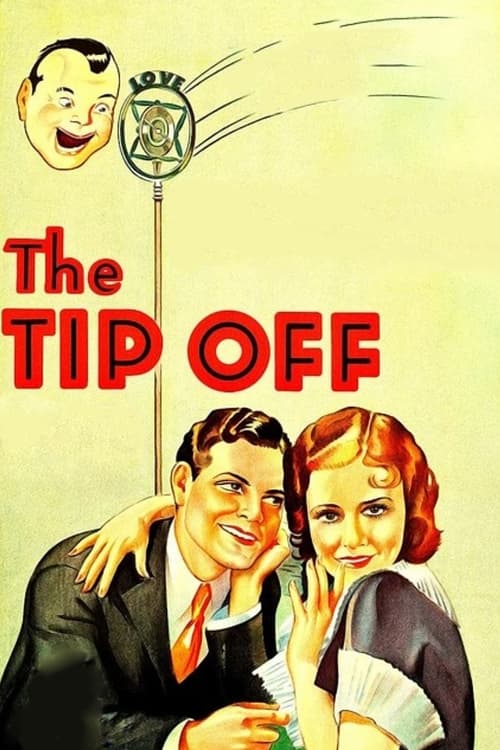
The Tip-Off
1931
No user ratings available yet
Representation score: 1.4 out of 10
Representation Score
Minimal
1933
NRDirector
Roy Del Ruth
Runtime
76 minutes
Average Rating
No ratings yetNew Showbiz Analysis
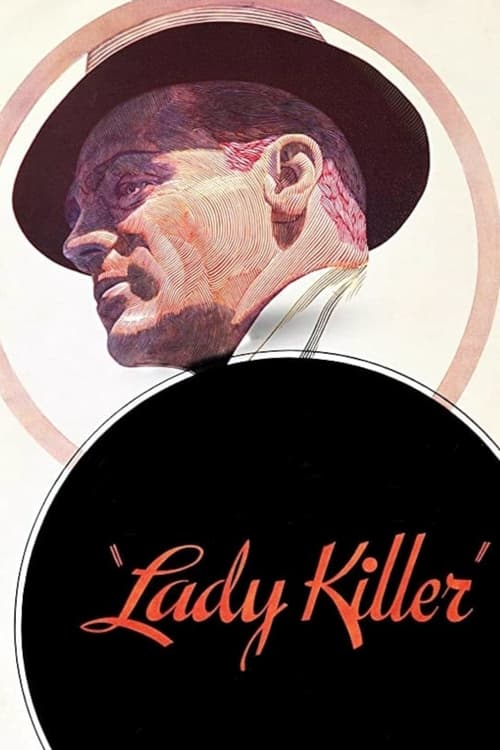
Lady Killer is a classic product of the 1930s studio system, emphasizing genre clichés over social critique. The plot revolves around a male protagonist's journey from a criminal past to Hollywood stardom, reinforcing traditional masculine narratives and social hierarchies. The film does not intentionally engage with identity politics. It adheres to the era's standard demographic patterns, featuring a likely homogeneous cast and focusing on individual redemption within existing social structures. Overall, the film serves as a conventional crime-comedy that upholds the status quo of its time, offering limited diverse perspectives or representation.
Category Breakdown
The film does not include any visible LGBTQ+ characters or narratives that explore non-straight relationships. Queer identities are completely absent from the story, reflecting the era's strict social norms.
The story emphasizes masculine ambition and the male lead's rise to fame. Female characters mainly serve as secondary motivators or romantic interests for the male protagonist.
The production reflects the demographic homogeneity typical of 1930s Hollywood. There is no evidence of a racially diverse cast or non-white actors.
The story examines the conflict between criminal subcultures and Hollywood glamour. It follows a standard path of individual success without critiquing broader societal institutions.
There is no mention of characters with visible or invisible disabilities. The film does not address disability representation in any way.
Present on Screen
Limited or Absent
Official Synopsis
An ex-gang member tries to resist his old cohorts' criminal influence after he suddenly becomes a Hollywood movie star.
1931
1933
1940
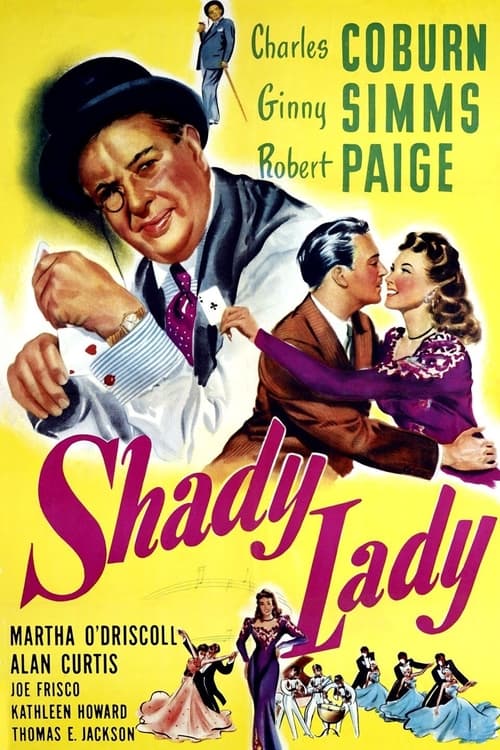
1945
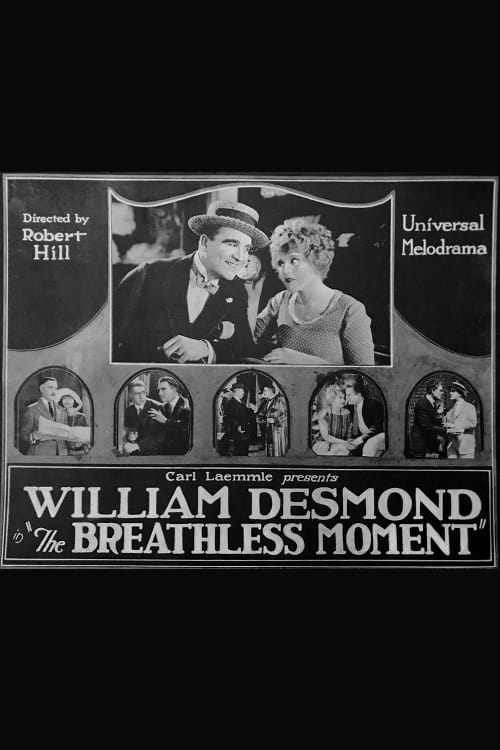
1924
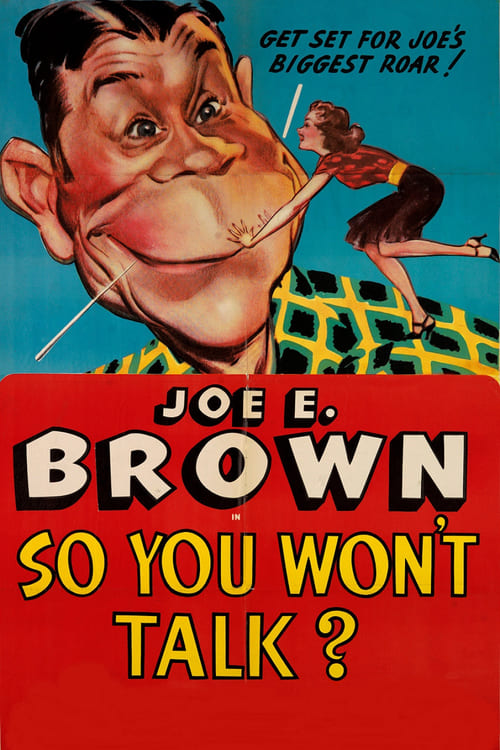
1940
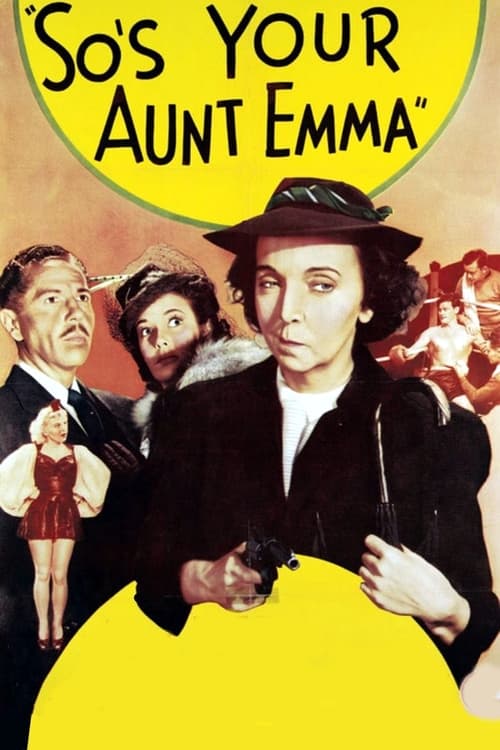
1942
1938
No reviews yet. Be the first to share your thoughts on this movie!
Use the rating form above to leave a star rating and optional review.