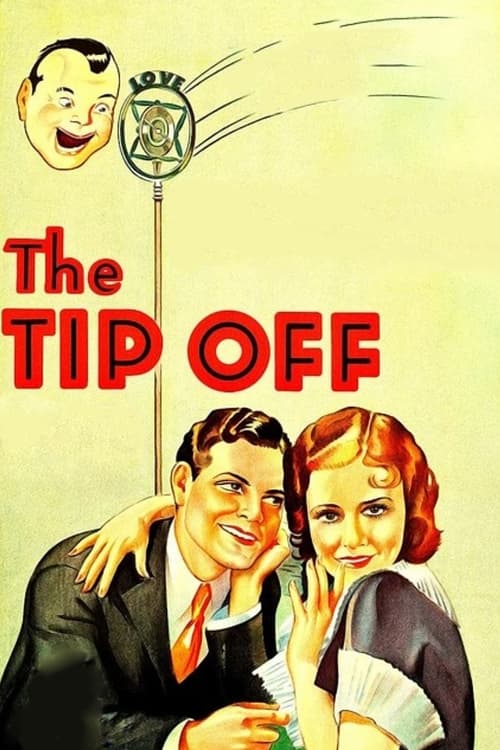
The Tip-Off
1931
No user ratings available yet
Representation score: 1.4 out of 10
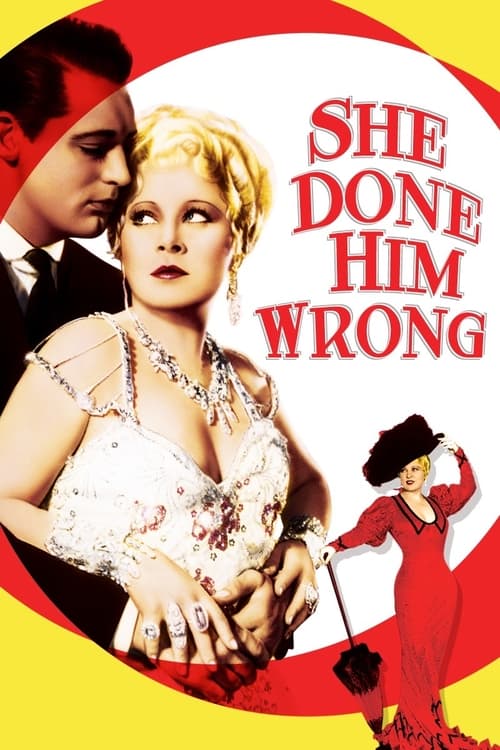
Representation Score
Fair
1933
NRDirector
Lowell Sherman
Runtime
65 minutes
Average Rating
No ratings yetNew Showbiz Analysis
The film presents a mix of contradictions, excelling in its subversion of gender roles while staying confined to the demographic limits of the 1930s. Lady Lou's autonomy disrupts traditional hierarchies, making her a rare example of female dominance in early cinema. However, the film lacks meaningful representation of LGBTQ+ identities, racial diversity, or disability. The cast remains homogeneous, reflecting the era's restrictive studio system and social stratification. Ultimately, the film's strength lies in its moral relativism. By prioritizing personal pleasure over social propriety, it challenges the era's conventional moral guardianship, even though it fails to offer a diverse range of human experiences.
Category Breakdown
The film does not include any visible engagement with LGBTQ+ identities. The story focuses solely on heterosexual relationships and romantic deceptions.
Lady Lou is a strong, independent character who drives the plot through her own actions and decisions. She dominates male characters, challenging traditional submissive femininity.
The cast is mostly white and reflects the upper-class society of the 1920s. There is no diversity in ethnic representation, sticking to the norms of the early 1930s studio system.
The film criticizes rigid social institutions by presenting infidelity as witty rather than sinful. Traditional authority figures, such as the Temperance League, are shown as stuffy or ineffective.
There are no visible or hidden disabilities shown in the film. Characters with disabilities are not used as plot devices.
Present on Screen
Limited or Absent
Official Synopsis
New York singer and nightclub owner Lady Lou has more male friends than can be imagined. One is a vicious escaped criminal on the way to see 'his' girl, unaware she hasn't exactly been faithful in his absence. Help is at hand in the form of young Captain Cummings, a local temperance league leader.
1931

1933

1927

1930

1934
1942
1950
1930
No reviews yet. Be the first to share your thoughts on this movie!
Use the rating form above to leave a star rating and optional review.