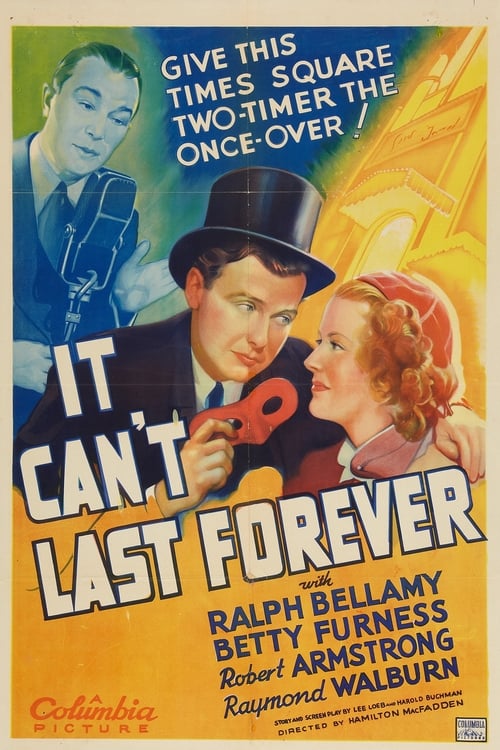
It Can't Last Forever
1937
No user ratings available yet
Representation score: 1.4 out of 10

Representation Score
Minimal
1931
NRDirector
Albert S. Rogell
Runtime
71 minutes
Average Rating
No ratings yetNew Showbiz Analysis
The Tip-Off is a product of the early sound era's studio system, prioritizing conventional genre structures over narrative subversion. Its focus on a radio repairman caught in a criminal underworld follows established 1930s clichés that reinforce existing social hierarchies. Representation is minimal across the board. The film adheres to the era's tendency toward white-centric narratives and heterosexual norms, offering little room for diverse perspectives. Ultimately, the film serves as a standard crime-comedy that maintains the demographic and cultural status quo of its time.
Category Breakdown
The film does not include any characters with non-straight or non-cisgender identities, and there is no depiction of same-sex relationships. The plot centers around a gangster's girlfriend, following traditional heterosexual norms.
Female characters seem to serve mainly as romantic interests or secondary motivators. The story structure follows era-specific clichés where women have limited influence and are not intellectually matched with male leads.
The production likely reflects the homogeneous demographic standards of the early 1930s studio system. There is no evidence of diverse casting or a multi-ethnic cast.
The story explores crime and social order through a standard genre lens. It lacks systemic critique and focuses on conventional morality and working-class clichés.
There is no information regarding characters with visible or invisible disabilities in this production.
Present on Screen
Limited or Absent
Official Synopsis
A young radio repairman becomes involved with gangsters and one of their girlfriends when he repairs their radio.
1937
1933

1937

1930
1936

1933
1949
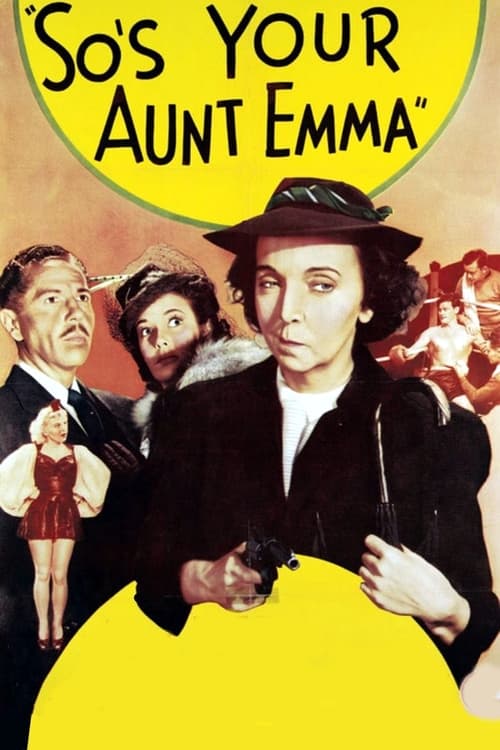
1942
No reviews yet. Be the first to share your thoughts on this movie!
Use the rating form above to leave a star rating and optional review.