
Hide-Out
1934
No user ratings available yet
Representation score: 1.6 out of 10
Representation Score
Minimal
1940
NRDirector
Lloyd Bacon
Runtime
88 minutes
Average Rating
No ratings yetNew Showbiz Analysis
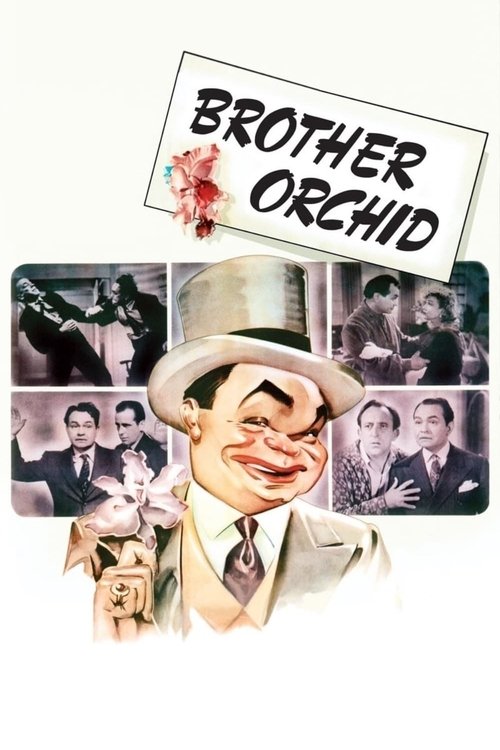
Brother Orchid is a product of its historical era, prioritizing traditional storytelling conventions and conventional social hierarchies. The film functions as a standard genre piece that reinforces the mid-20th-century cinematic status quo. The narrative focuses on the tension between secular criminality and religious devotion through a male-centric lens. This focus leaves little room for diverse perspectives or the disruption of established social norms. Ultimately, the film lacks the intentionality required to engage with multiple aspects of identity, resulting in a narrow social landscape that reflects the demographic homogeneity of 1940s studio productions.
Category Breakdown
The film does not include any LGBTQ+ characters or non-cisgender identities. It operates within the assumption that everyone is straight or cisgender.
Female characters primarily serve as romantic interests or supporting figures. They have little control over the plot, which is driven by male interactions with crime and the clergy.
The production reflects the demographic homogeneity typical of early 1940s Hollywood. The cast and setting do not show significant racial or ethnic diversity.
The story explores individual morality rather than critiquing religious or capitalist institutions. It reinforces a standard moral arc instead of challenging institutional norms.
There is no evidence of visible or invisible disabilities integrated into the narrative. Characters are portrayed through standard physical and mental archetypes of the genre.
Present on Screen
Limited or Absent
Official Synopsis
When retired racket boss John Sarto tries to reclaim his place and former friends try to kill him, he finds solace in a monastery and reinvents himself as a pious monk.
1934

1933
1932
1934
1945
1940
1949

1927
No reviews yet. Be the first to share your thoughts on this movie!
Use the rating form above to leave a star rating and optional review.