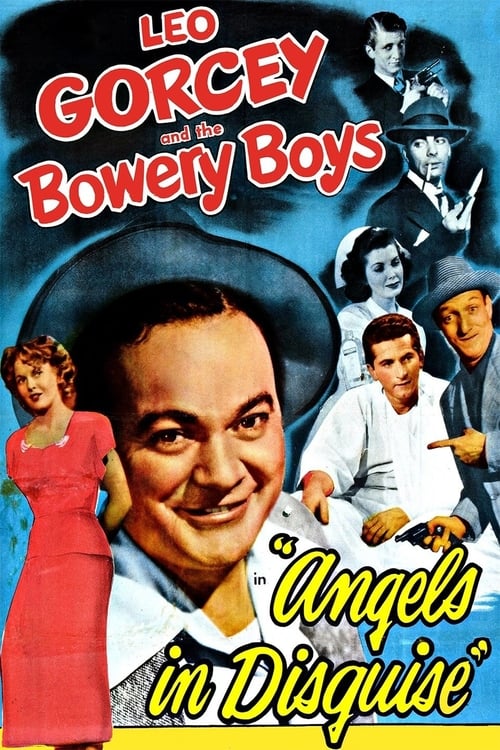
Angels in Disguise
1949
No user ratings available yet
Representation score: 3.0 out of 10
Representation Score
Minimal
1942
NRDirector
Jean Yarbrough
Runtime
62 minutes
Average Rating
No ratings yetNew Showbiz Analysis
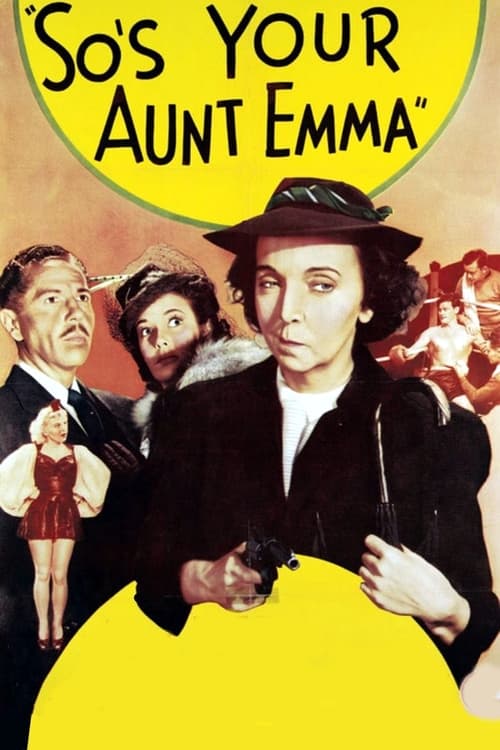
This 1942 comedy reflects the social norms of its time, adhering to the conventions of its era. While the female protagonist gains ability to act by navigating a criminal underworld, her characterization remains tied to era-specific comedic clichés. The film lacks depth in exploring diverse identities and social issues, reinforcing the status quo of the early 1940s.
Category Breakdown
The film does not include any characters with LGBTQ+ identities or explore non-straight relationships. The protagonist's status as a spinster is used to highlight her eccentricity rather than her sexual orientation or gender identity.
The female lead challenges traditional gender roles by entering the male-dominated boxing and gangland world. However, her portrayal as a 'dizzy' spinster relies on comedic clichés that may diminish her intellectual capabilities.
The film reflects the homogeneous casting practices of 1942, focusing on white actors and Western social structures as the default setting. This limits the representation of diverse racial and cultural backgrounds.
The crime comedy framework upholds traditional views of law and social morality. The story emphasizes individual eccentricity rather than critiquing Western institutions or religious structures.
The film does not feature any characters with visible or invisible disabilities.
Present on Screen
Limited or Absent
Official Synopsis
A dizzy old spinster gets involved in the boxing racket and gangland murders.
1949
1933
1937
1941
1938
1936
1951
1944
No reviews yet. Be the first to share your thoughts on this movie!
Use the rating form above to leave a star rating and optional review.