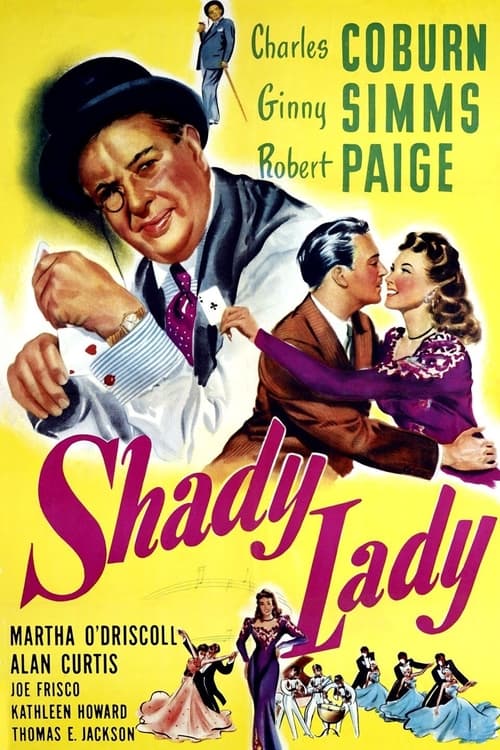
Shady Lady
1945
No user ratings available yet
Representation score: 0.5 out of 10
Representation Score
Limited
1939
ApprovedDirector
Benjamin Stoloff
Runtime
66 minutes
Average Rating
No ratings yetNew Showbiz Analysis
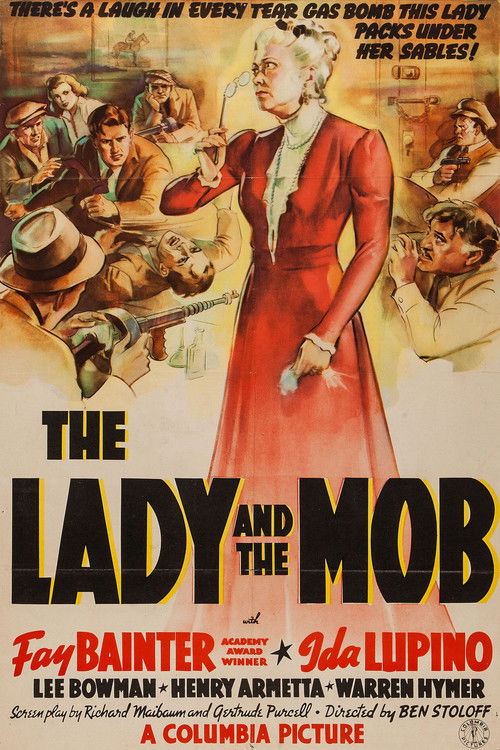
The film opens with Hattie Leonard, a wealthy matriarch, arriving at her son Frederick’s home, immediately establishing her as the figure of authority and competence. While billed as a crime drama, the pictures reveal a story about female agency navigating a corrupt male world. Hattie is not a passive victim but an active investigator who exposes the dry-cleaning racket, using her wealth and intelligence to dismantle the mob’s grip on local business. The camera favors her, framing her as the moral center who sees through the deception that blinds Frederick. The sold meaning is that traditional female virtues—wisdom, moral fortitude, and economic power—can correct the failures of male-dominated institutions. Frederick, the "good" man, is rendered ineffective by his ignorance, while Hattie’s intervention restores order. The mob is not just a criminal element but a reflection of the economic structures that exploit the vulnerable. The film’s argument is that the "decent" society is complicit in the mob’s power, and only the clear-eyed matriarch can break the cycle. The ending settles on Hattie’s triumph, rewarding her competence and moral clarity. Frederick’s romantic idealism is insufficient; it is Hattie’s decisive action that secures their future. The film treats the family as the unit of moral support, with Hattie as its anchor. The last image affirms that the traditional hierarchy of the family, when led by a competent woman, can withstand and correct the corruption of the outside world. The camera loves Hattie’s authority, positioning her as the true hero of the narrative.
Category Breakdown
Absent. The narrative relies entirely on heterosexual courtship and marriage; no same-sex intimacy, queer characters, or non-binary identities appear on screen.
Present. Hattie Leonard (Fay Bainter) functions as the competent moral center, actively dismantling the racket while Frederick (Lee Bowman) remains a passive romantic interest. The film frames female agency as the solution to systemic corruption, with the matriarch holding the final word.
Limited. The cast is predominantly white, with Italian-American gangsters serving as the primary ethnic markers. Non-white characters are absent, and the social hierarchy is defined by class and national origin rather than race.
Present. The film critiques the complicity of "decent" society in sustaining organized crime, treating the mob as a symptom of economic exploitation rather than mere villainy. Traditional family values are upheld as the moral anchor, but the institution of the business racket is exposed as corrupt.
Absent. No characters are depicted with physical, sensory, or cognitive impairments; the narrative focuses on economic and social power dynamics rather than bodily difference.
Present on Screen
Limited or Absent
Official Synopsis
Hattie Leonard sets out to break a criminal gang controlling the dry cleaning business.
1945
1933
1950
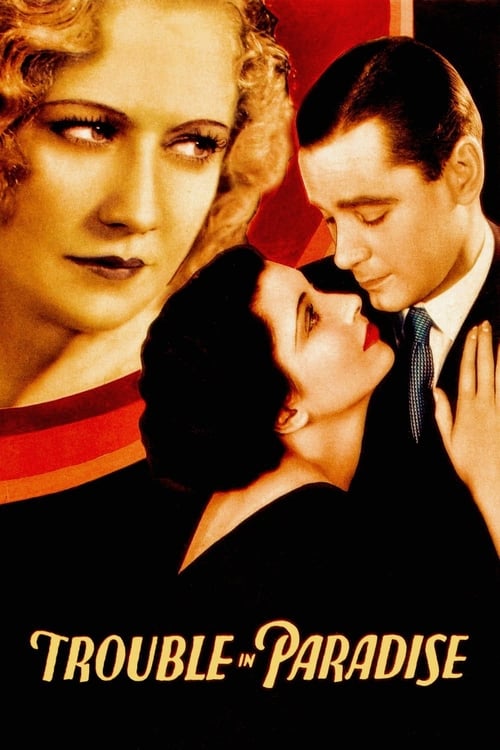
1932
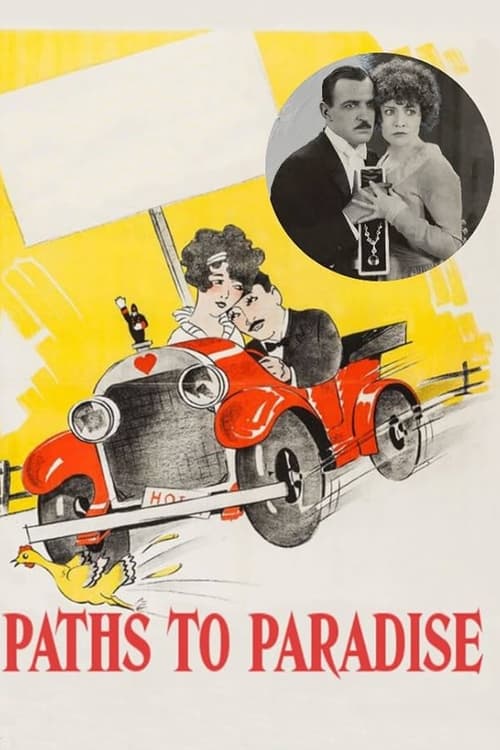
1925
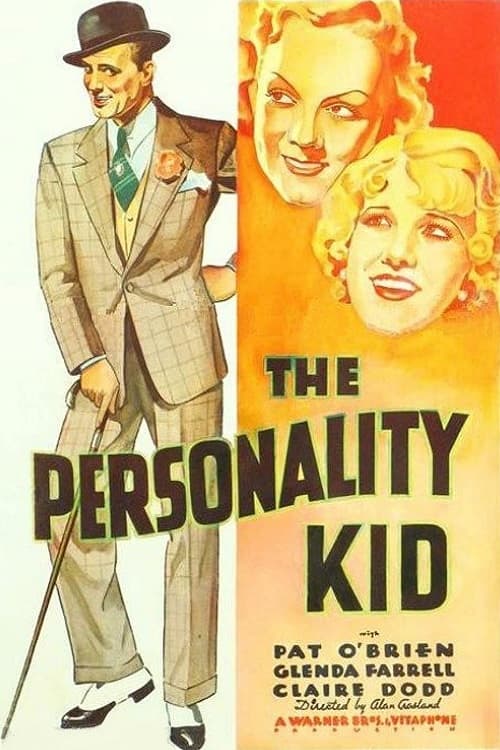
1934
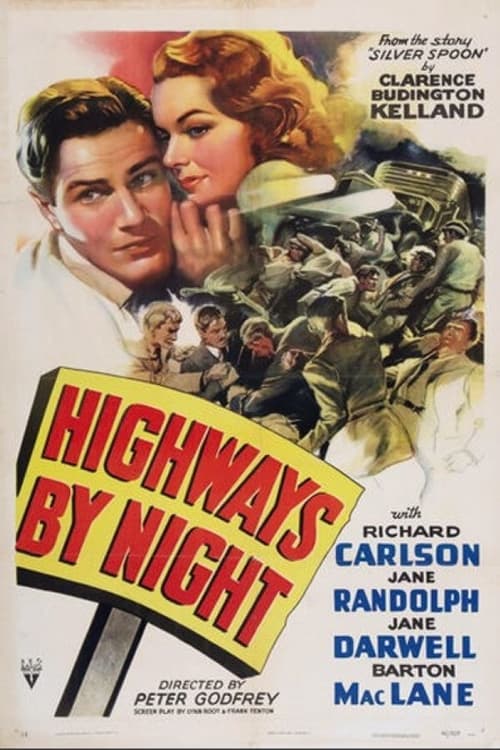
1942
1936
No reviews yet. Be the first to share your thoughts on this movie!
Use the rating form above to leave a star rating and optional review.