The Lone Runner
1986
No user ratings available yet
Diversity score: 2.8 out of 10
1927
NRDirector
F. Richard Jones
Runtime
95 minutes
Average Rating
No ratings yetSynopsis
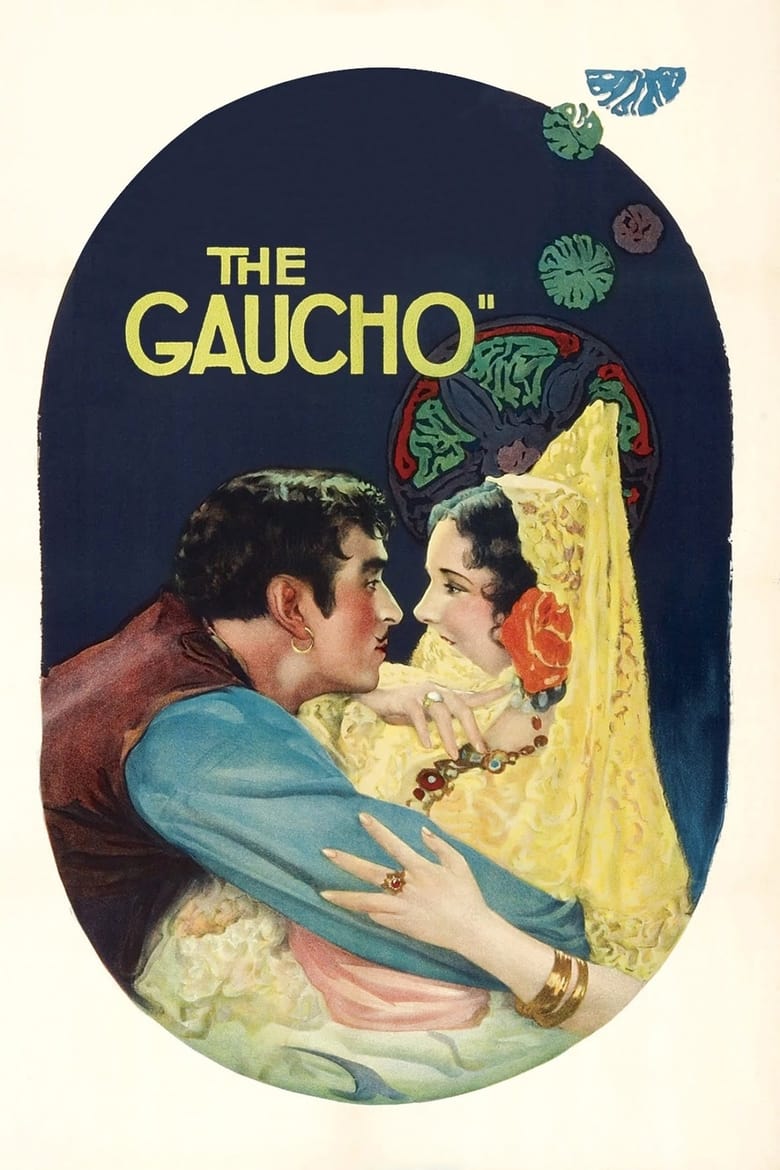
A girl is saved by a miracle after she falls from a cliff in the Argentine Andes, and is blessed with healing powers. A shrine is built on the site, and a whole city grows around it, rich with gold from the grateful worshipers. Ruiz, an evil and sadistic general, captures the city, confiscates the gold, and closes the shrine. But the Gaucho, the charismatic leader of a band of outlaws, comes to the rescue.
Overall Score
Limited
Category Breakdown
LGBTQ+ Representation
The film lacks LGBTQ+ characters or non-heteronormative dynamics. The plot follows a traditional romantic structure between the male lead and the female protagonist.
Gender Representation
Gender roles follow early 20th-century conventions, concentrating agency in the male lead. The female character acts primarily as a romantic object and a plot catalyst.
Racial & Ethnic Diversity
The film centers a South American gaucho, providing meaningful ethnic representation. However, it focuses on individual heroism rather than exploring broader post-colonial or intersectional dynamics.
Religious & Cultural Diversity
The story utilizes Western tropes of frontier justice and rugged individualism. Religious elements like the shrine serve as plot devices rather than subjects of critique.
Disability Representation
Supernatural healing powers are used as plot devices rather than authentic representations of disability. There is no nuanced exploration of lived experience or neurodivergence.
Strengths
Areas for Improvement
AI Analysis
The Gaucho offers a notable departure from the Anglo-centric protagonists typical of 1920s Westerns by centering a South American ethnic identity. This provides a layer of racial representation that distinguishes it from many contemporary adventure films. However, the film remains deeply rooted in the conservative social hierarchies of its era. It relies on traditional gender roles where the female lead is reactive, and it lacks any meaningful LGBTQ+ or disability representation. Ultimately, the film functions as a genre-driven adventure that prioritizes individual morality and physical prowess over systemic critique or intersectional depth.
1986
1954

1943
1962

1977
1966
1960
1953
1969
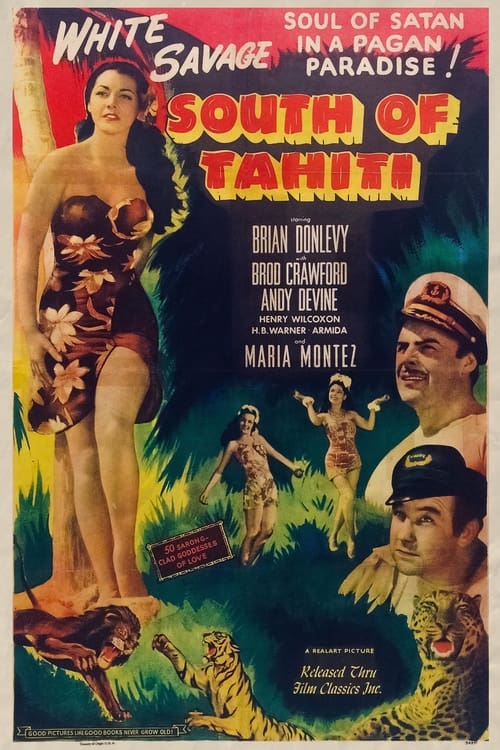
1941
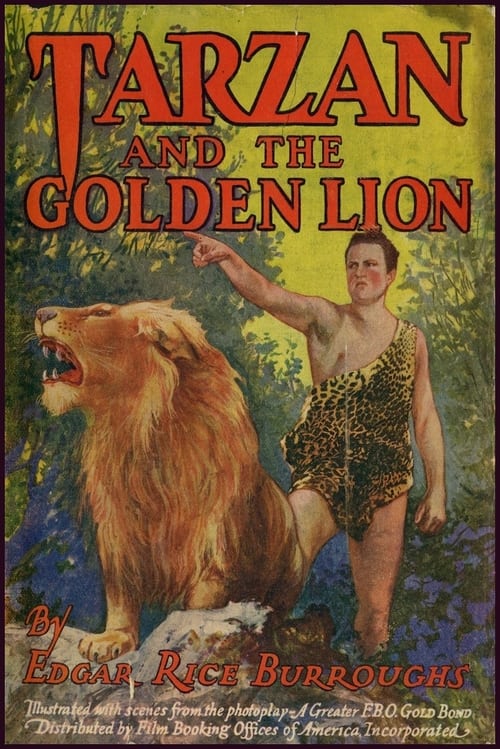
1927
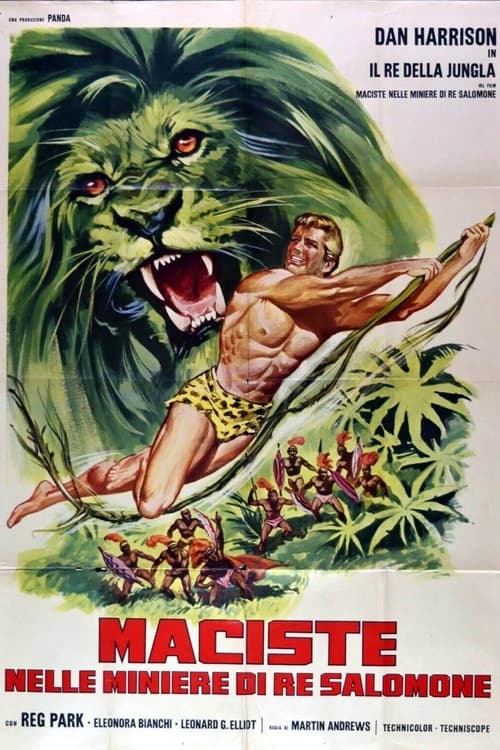
1964
No reviews yet. Be the first to share your thoughts on this movie!
Use the rating form above to leave a star rating and optional review.