Isle of Forgotten Sins
1943
No user ratings available yet
Representation score: 2.1 out of 10
Representation Score
Limited
1953
ApprovedDirector
Joseph Kane
Runtime
92 minutes
Average Rating
No ratings yetNew Showbiz Analysis
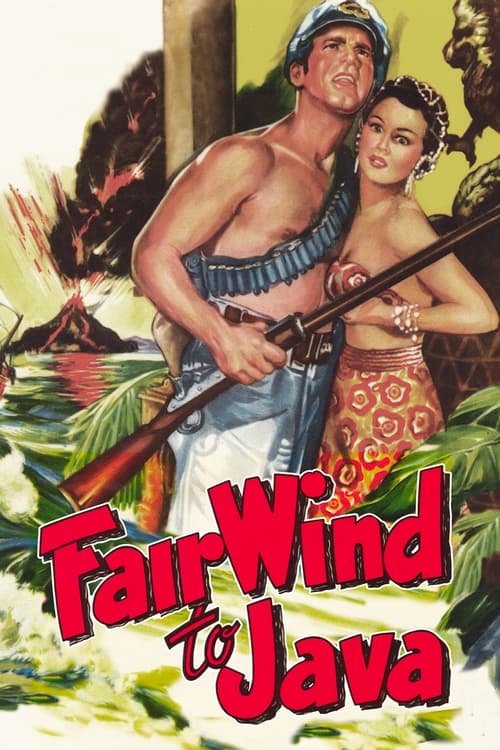
Fair Wind to Java is a typical mid-century adventure film that focuses on high-stakes action and treasure hunting rather than social issues. The narrative follows a classic quest storyline set against the backdrop of the Krakatau eruption, emphasizing external dangers over personal identity. The film emphasizes a male American protagonist while using the Dutch East Indies as a setting for colonial-era clichés. It does not challenge the social norms of 1953. Ultimately, it serves as a standard adventure film that prioritizes material pursuits and Western heroism without delving into diverse character's ability to drive the story or perspectives that reflect multiple aspects of identity.
Category Breakdown
The film follows strict assumptions that everyone is straight and cisgender, typical for its time. There are no representations of LGBTQ+ identities or same-sex relationships.
The story centers around a male captain who drives the plot through his physical actions. Female characters have limited independence and mainly revolve around the male lead.
Despite the setting in the Dutch East Indies allowing for ethnic diversity, the characters may rely on colonial-era stereotypes. Non-Western characters play supporting roles compared to the American protagonist.
The narrative highlights Western values such as individual maritime exploration and material success. It upholds traditional views of the heroic quest without questioning colonial-era institutions.
There are no meaningful or empowering portrayals of disability. Physical impairments in this period often served merely as plot devices without deeper character development.
Present on Screen
Limited or Absent
Official Synopsis
The Dutch East Indies, at the end of the nineteenth century. An adventurous captain of an American merchant vessel is looking for a sunken Dutch vessel containing 10,000 precious diamonds. Unfortunately, he's not the only one and then there's also that volcano on the nearby island of Krakatau, waiting to explode in its historical, disastrous eruption...
1943
1981
1969
1939

1952
1950
1952

1939
No reviews yet. Be the first to share your thoughts on this movie!
Use the rating form above to leave a star rating and optional review.