
Slightly Scarlet
1956
No user ratings available yet
Representation score: 2.3 out of 10

Representation Score
Minimal
1935
NRDirector
George B. Seitz
Runtime
76 minutes
Average Rating
No ratings yetNew Showbiz Analysis
Kind Lady is a conventional 1935 crime drama that functions primarily as a cautionary tale. While it centers on a female lead, the narrative structure relies heavily on the cliché of a woman being besieged by male predators. The film lacks depth in representing diverse identities, offering a homogeneous view of society typical of its era. It prioritizes individual character flaws and moral lessons over any systemic critique of social or racial hierarchies. Ultimately, the film adheres to the established social frameworks of early Hollywood, providing little representation for underrepresented identities or diverse lived experiences.
Category Breakdown
The film does not include any LGBTQ+ characters or narratives. It follows traditional social clichés without exploring non-straight relationships.
Mary serves as a central protagonist initially. However, the plot often positions her as a vulnerable victim of male exploitation, reinforcing traditional gendered clichés.
The production reflects the homogeneous casting standards of 1930s Hollywood. There is no evidence of non-white or non-Anglo-Saxon casting within the narrative.
The story focuses on individual morality and the dangers of misplaced altruism. It reinforces traditional Western moral lessons rather than critiquing systemic social structures.
There is no evidence of characters with visible or invisible disabilities. Struggles are framed through criminal intent and socioeconomic deception.
Present on Screen
Limited or Absent
Official Synopsis
Mary, a woman with good intentions, takes pity on Henry, an artist with no home. What begins as a simple offer to come inside from the cold for tea gradually turns into more. Before the unsuspecting woman knows it, Henry, his family, and his friends con their way into her home. Eventually, Mary creates a ruse to rid herself of the parasites, but they have a different plan.
1956

1945
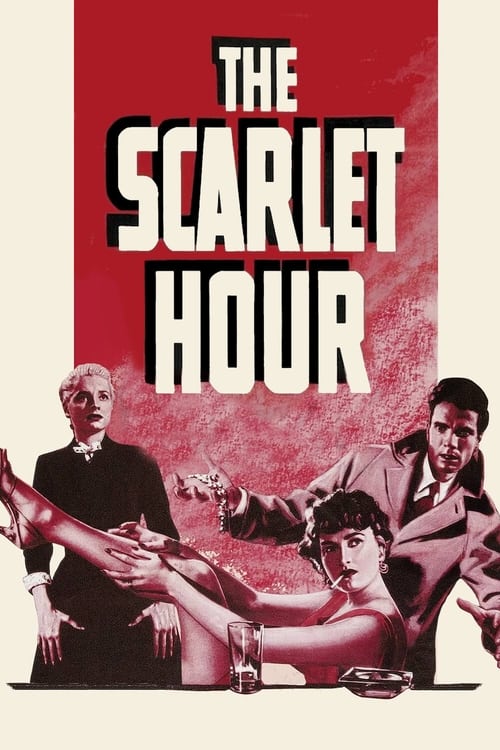
1956
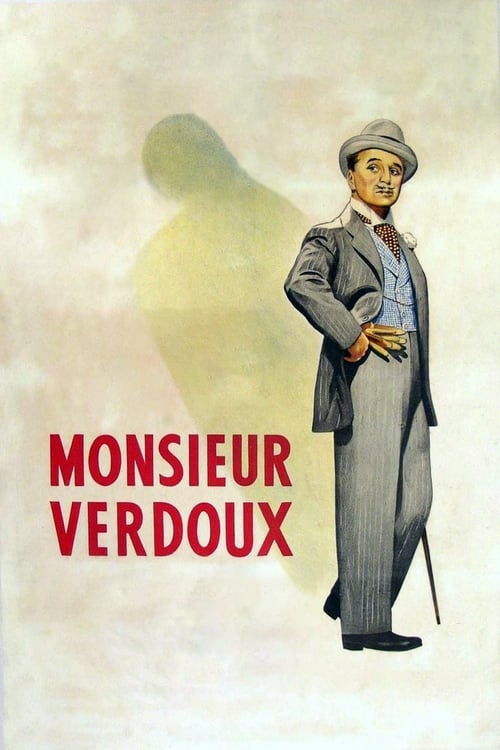
1947
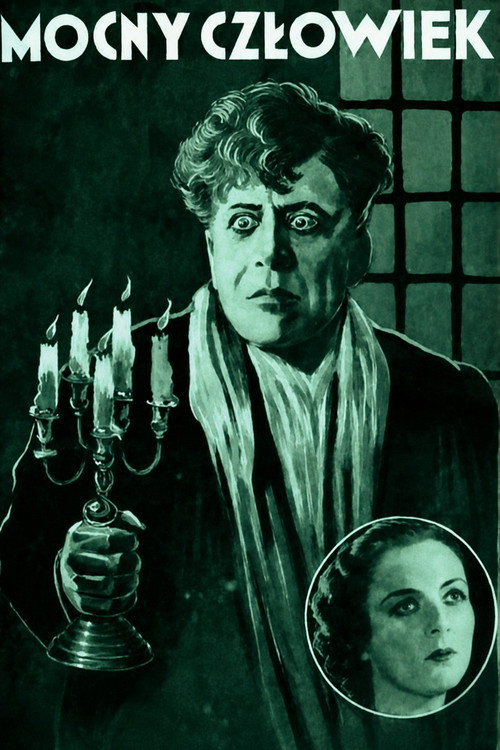
1929
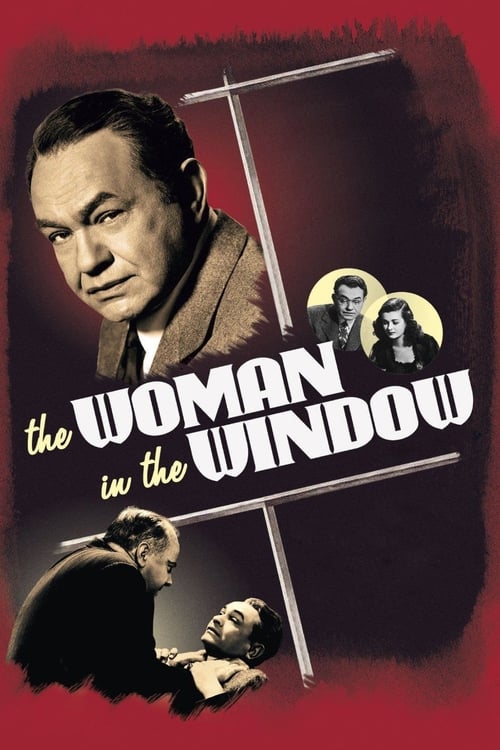
1944
1932
1945
No reviews yet. Be the first to share your thoughts on this movie!
Use the rating form above to leave a star rating and optional review.