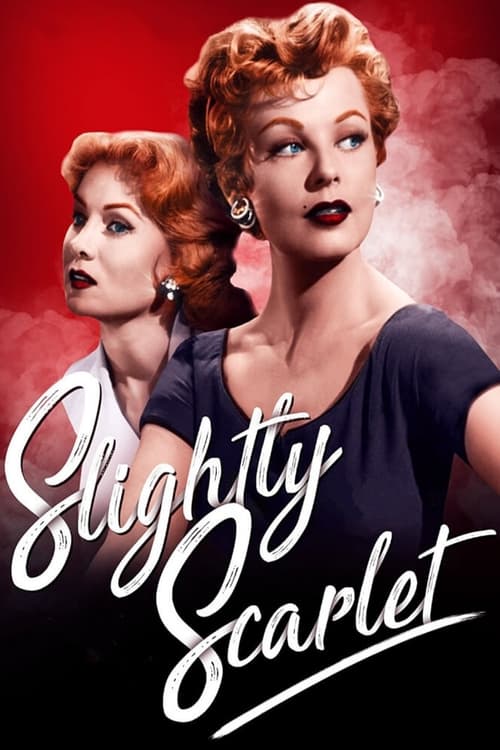
Slightly Scarlet
1956
No user ratings available yet
Representation score: 2.3 out of 10
Representation Score
Limited
1956
NRDirector
Michael Curtiz
Runtime
95 minutes
Average Rating
No ratings yetNew Showbiz Analysis
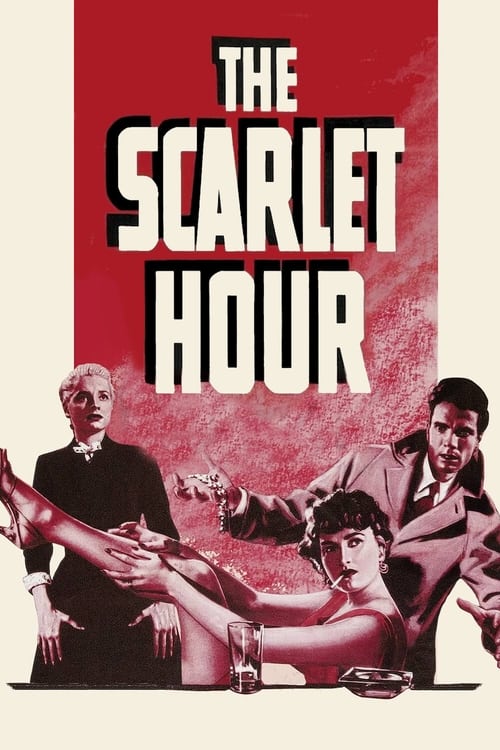
The Scarlet Hour is a mid-century crime drama that operates strictly within the social and narrative conventions of the 1950s studio system. The plot relies on established archetypes, such as the manipulative woman and the infatuated man, to drive a story of domestic dissatisfaction and criminal intent. While the female protagonist demonstrates intellectual ability to act through psychological manipulation, the film lacks evidence of racial diversity, LGBTQ+ representation, or any subversion of the era's conventional social structures. Ultimately, the film serves as a study of individual psychological conflict rather than a vehicle for progressive social commentary or characters who reflect more than one aspect of diversity.
Category Breakdown
The story revolves around a relationship where the woman is unhappy and the man is infatuated. There is no representation of LGBTQ+ identities or critiques of traditional marriage.
The film features the femme fatale archetype, where the female lead uses psychological manipulation to gain power. However, this power is portrayed as a disruptive force against societal norms.
The production reflects the homogeneous casting norms of 1956. There is no indication of a diverse cast or any race-bent casting within the narrative.
The plot focuses on individual morality and the consequences of a jewelry heist. It leans towards traditional moral consequences rather than systemic or secular critiques.
There is no information available regarding the inclusion or portrayal of characters with visible or invisible disabilities.
Present on Screen
Limited or Absent
Official Synopsis
An unhappy wife uses her powers of manipulation to draw an infatuated man into an ill-fated jewelry heist.
1956

1958
1955
1944
1958
1947
1964
1960
No reviews yet. Be the first to share your thoughts on this movie!
Use the rating form above to leave a star rating and optional review.