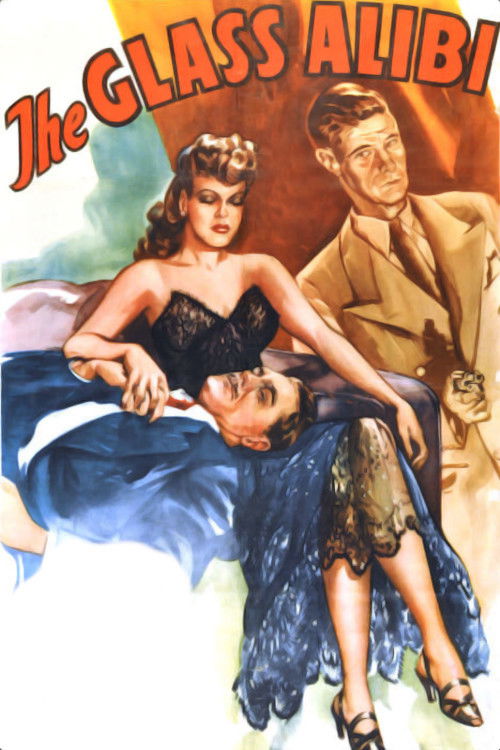
The Glass Alibi
1946
No user ratings available yet
Representation score: 2.7 out of 10
Representation Score
Minimal
1955
ApprovedDirector
W. Lee Wilder
Runtime
70 minutes
Average Rating
No ratings yetNew Showbiz Analysis
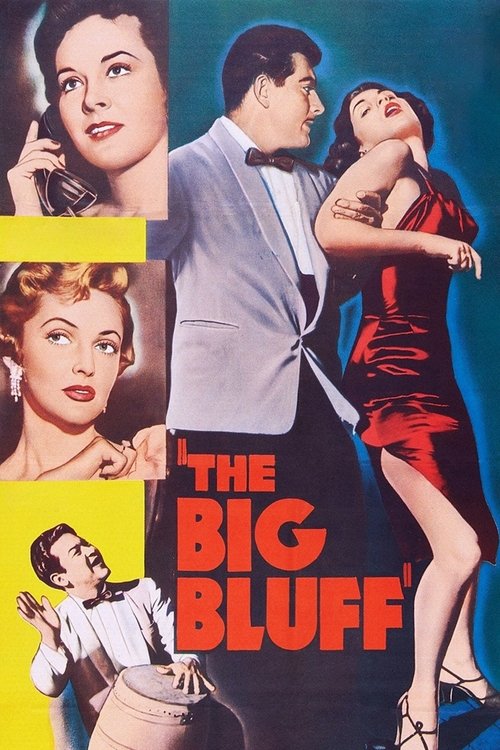
The Big Bluff is a typical mid-century crime noir that emphasizes genre clichés over social commentary. The narrative revolves around a predatory male protagonist who manipulates others for financial gain. The film relies on stereotypical gender roles and limited ethnic representation. Women are often portrayed as either gullible or sexualized, while disabilities are used as plot devices rather than explored as part of a character’s life.
Category Breakdown
The film follows a traditional heterosexual love triangle typical of 1950s cinema. It does not explore LGBTQ+ or non-binary identities.
Men drive the plot through manipulation and deceit. Women are primarily portrayed as objects of desire or victims within the male protagonist's schemes.
The cast is predominantly white and Western. The protagonist's Latin name does not lead to any meaningful exploration of ethnicity or cultural background.
The story centers on individual greed and infidelity, adhering to mid-century moral frameworks and capitalist storytelling conventions. There is no critique of systemic issues.
A terminal illness is used solely as a plot device to advance the story. It does not delve into the lived experience of having a chronic condition.
Present on Screen
Limited or Absent
Official Synopsis
When a scheming fortune hunter finds his rich wife is not going to die as expected, he and his lover make other plans to get her millions.
1946
1955

1947
1946
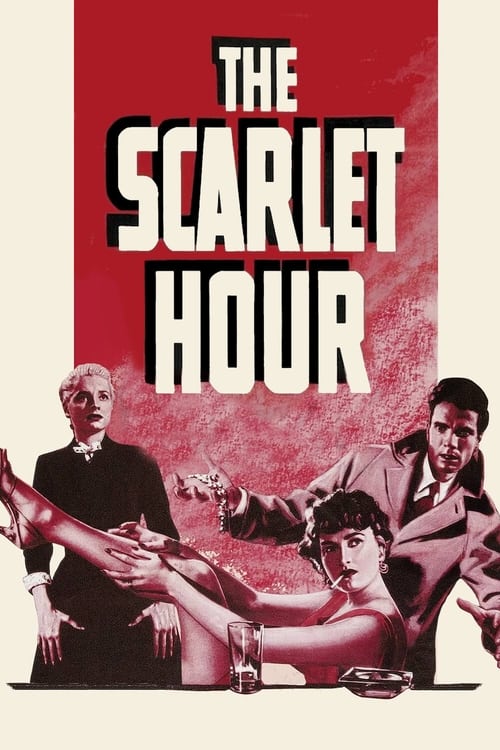
1956
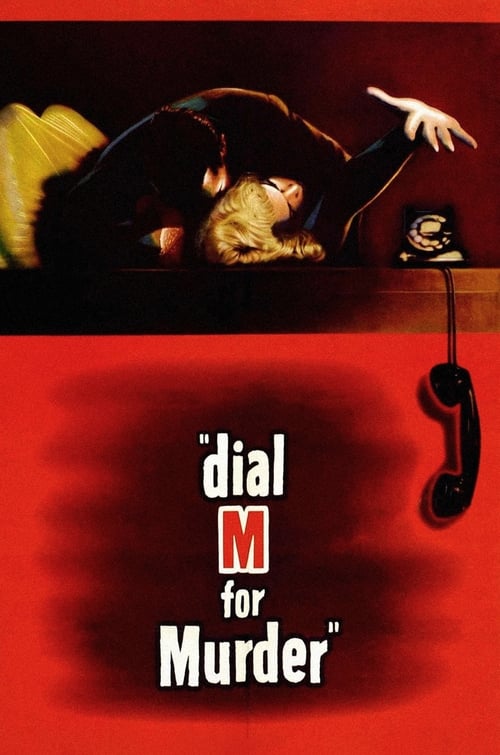
1954
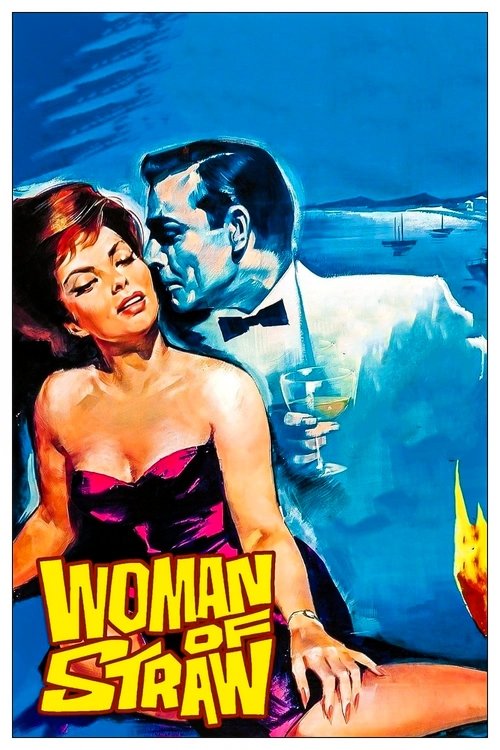
1964
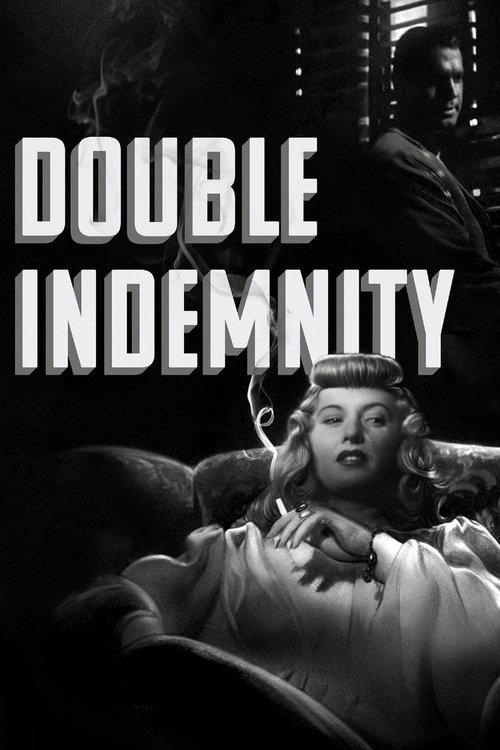
1944
No reviews yet. Be the first to share your thoughts on this movie!
Use the rating form above to leave a star rating and optional review.