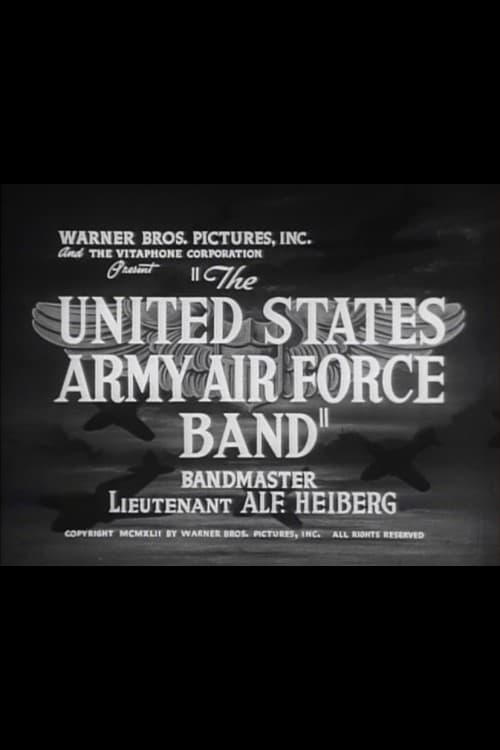
The United States Army Air Force Band
1942
No user ratings available yet
Representation score: 1.2 out of 10
No Poster Available
Representation Score
Minimal
1943
ApprovedDirector
Jean Negulesco
Runtime
8 minutes
Average Rating
No ratings yetNew Showbiz Analysis
This 1943 musical short functions as a tool for institutional documentation and wartime patriotism. It prioritizes the image of a unified military machine over individual character development or social complexity. The film reinforces established social hierarchies rather than challenging them. By focusing on standardized military performances and national landmarks, it presents a singular cultural ideal aligned with the era's objectives. Ultimately, the work lacks depth in reflecting multiple aspects of identity. It serves to promote national cohesion through traditional musical and visual clichés, leaving no room for the representation of underrepresented identities.
Category Breakdown
The film does not depict any LGBTQ+ identities or dynamics that go beyond the assumption that everyone is straight. It adheres strictly to the social norms of 1943, offering no engagement with queer themes.
Representation is limited to traditional roles of the era. The film emphasizes institutional cohesion and military movement rather than individual gender roles or non-traditional masculinity.
The film reflects the systemic homogeneity of the 1943 US Army. There is no evidence of a non-white majority cast or casting used to disrupt traditional hierarchies.
The narrative reinforces traditional Western institutions and patriotic standards. It centers on the Lincoln Memorial and military music to promote a singular, unified national identity.
There is no evidence that characters with visible or invisible disabilities are featured as protagonists or plot devices within this musical documentary.
Present on Screen
Limited or Absent
Official Synopsis
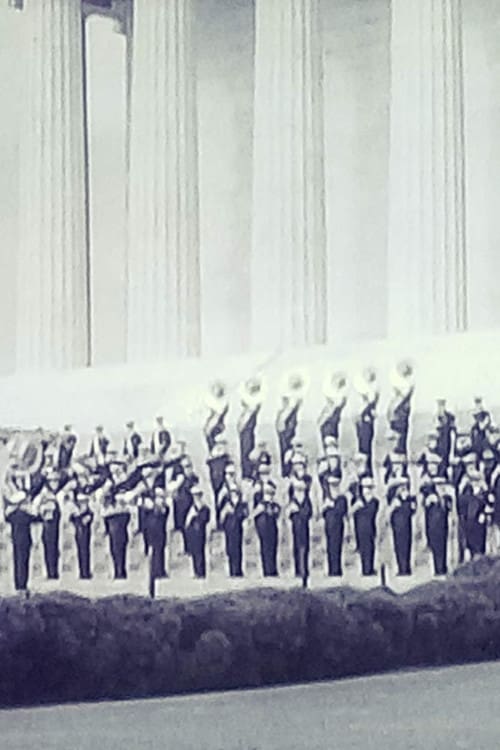
On the soundtrack, the US Army Band plays strains of "You're in the Army Now" and a full version of "The Caissons Go Rolling Along" as the films shows us a convoy of trucks and soldiers at work. Then, we go to the steps of the Lincoln Memorial where we see and hear the Band play "Aura Lee," "Pack Up Your Troubles," and "It's a Long Way to Tipperary." Band members also sing the latter songs, but "Love Me Tender" isn't a number one song yet, so "Aura Lee" just gets a musical treatment. The film concludes with "Over There," played and sung, as we see news footage of the Army rolling in to Paris.
1942
1958
1943
1942
1943
1943
1943
1936
No reviews yet. Be the first to share your thoughts on this movie!
Use the rating form above to leave a star rating and optional review.