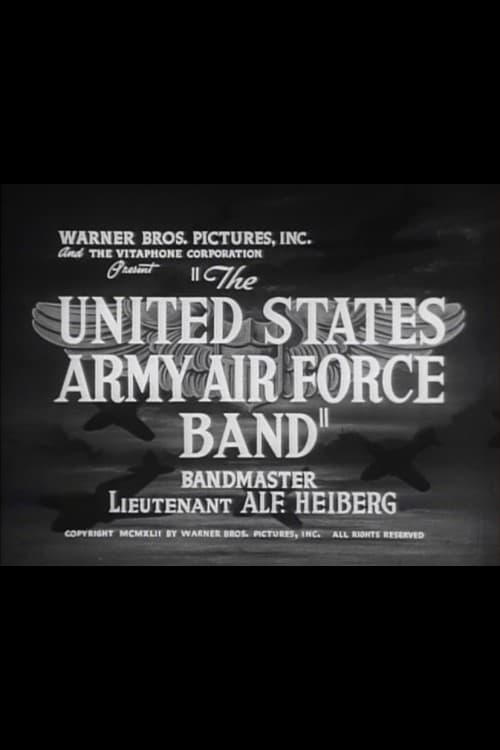
The United States Army Air Force Band
1942
No user ratings available yet
Representation score: 1.2 out of 10
No Poster Available
Representation Score
Minimal
1943
ApprovedDirector
Jean Negulesco
Runtime
10 minutes
Average Rating
No ratings yetNew Showbiz Analysis
This musical short serves as a formal documentation of military tradition rather than a narrative work. Focusing on a specific institutional performance, it lacks the character depth needed for complex social representation. The film prioritizes national cohesion and institutional loyalty. It reinforces the social hierarchies and patriotic values prevalent during the wartime era. Overall, the production reflects the homogeneous and segregated standards of the 1940s military, offering little room for exploring diverse identities or social issues.
Category Breakdown
The film does not include any characters or interactions related to LGBTQ+ identities. It also does not critique the assumption that everyone is straight or cisgender.
The leadership roles are held by men, emphasizing a traditional masculine command structure. Women are not shown in positions of authority within the film.
The film reflects the racial segregation of its time. It does not show any integrated performances and seems to follow the racial hierarchies of 1943.
The performance emphasizes nationalism and traditional American values. It does not offer any critique of existing social or religious structures.
The film does not depict any neurodivergent or physically disabled individuals. Instead, performers are shown through an idealized lens of military precision.
Present on Screen
Limited or Absent
Official Synopsis
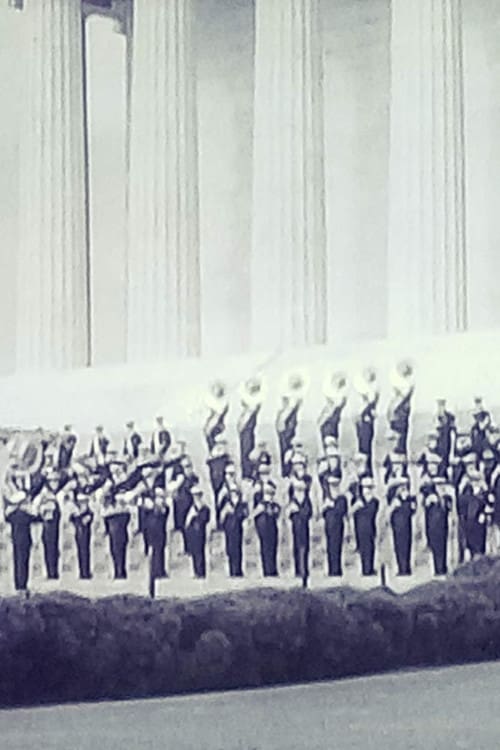
The United States Navy Band, conducted by Lieutenant Charles Brendler, performs naval and patriotic numbers on the steps of the Lincoln Memorial in Washington, D.C.
1942
1958
1943
1979
1942
1943
1943

1942
No reviews yet. Be the first to share your thoughts on this movie!
Use the rating form above to leave a star rating and optional review.