Let's Sing a Song of the West
1947
No user ratings available yet
Diversity score: 2.2 out of 10
1935
ApprovedDirector
James A. FitzPatrick
Runtime
16 minutes
Average Rating
No ratings yetSynopsis
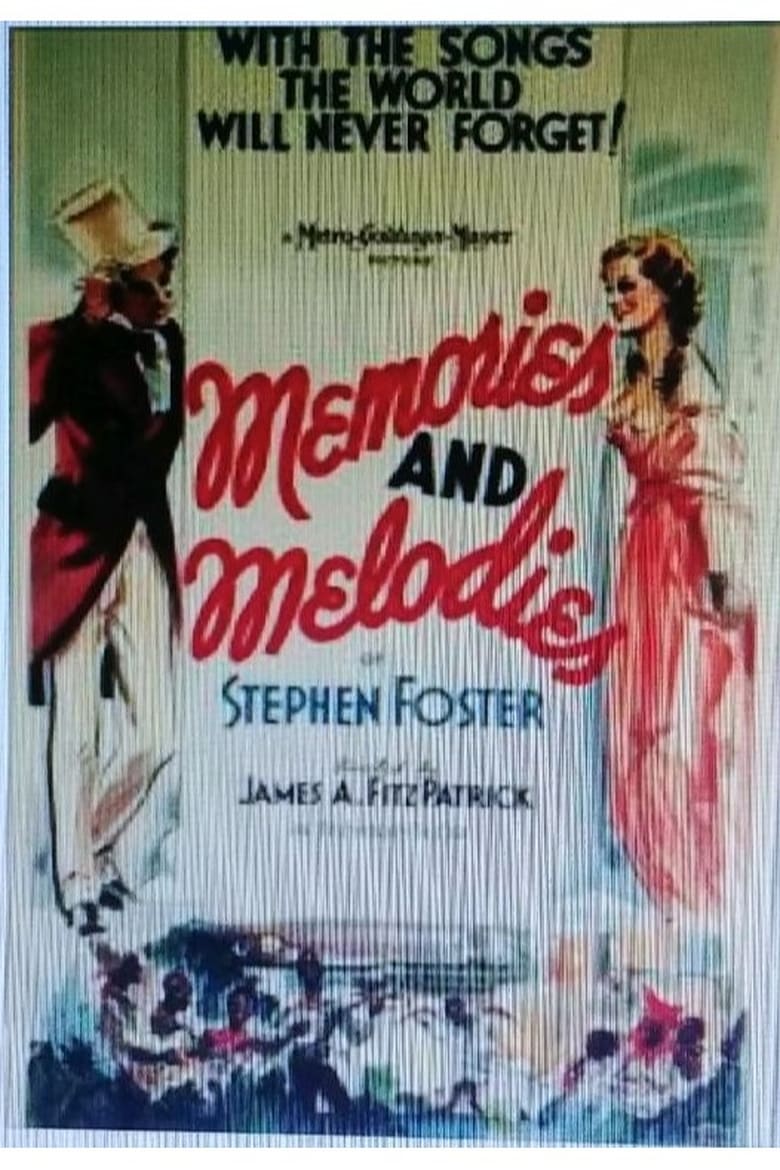
This Technicolor short features the songs of the great American popular composer Stephen Collins Foster. Based on Foster's memoirs.
Overall Score
Limited
Category Breakdown
LGBTQ+ Representation
The film lacks LGBTQ+ characters or non-heteronormative narratives. It adheres strictly to the heteronormative frameworks common in 1935.
Gender Representation
This musical tribute focuses on a male composer. Women likely appear in decorative or supportive roles rather than as intellectual equals.
Racial & Ethnic Diversity
The work celebrates a historically white American musical canon. It lacks diverse ethnic perspectives or race-bent casting.
Religious & Cultural Diversity
The film emphasizes traditional Western musical heritage and historical nostalgia. It reinforces specific historical identities rather than critiquing Western institutions.
Disability Representation
There is no documented evidence of characters with visible or invisible disabilities in this short.
Strengths
Areas for Improvement
AI Analysis
Memories and Melodies is a traditionalist musical short that prioritizes aesthetic spectacle and historical appreciation. It functions as a tribute to the composer Stephen Collins Foster, focusing on the preservation of a specific musical heritage. The production reflects the social and cultural hierarchies of the 1930s. It lacks narrative subversion, opting instead to celebrate a mid-19th-century American tradition that is racially and culturally homogeneous. Because the film is designed for historical preservation, it does not engage with contemporary social discourse or diverse representation.
1947
1939
1937
1948

1948
1939
1933
1934
1938
1947
1947
1946
No reviews yet. Be the first to share your thoughts on this movie!
Use the rating form above to leave a star rating and optional review.