The United States Marine Band
1942
No user ratings available yet
Representation score: 0.2 out of 10
Representation Score
Minimal
1943
ApprovedDirector
Jean Negulesco
Runtime
10 minutes
Average Rating
No ratings yetNew Showbiz Analysis
This 1943 wartime documentary serves primarily as a tool for national mobilization. It prioritizes institutional unity and patriotic fervor over individual or multi-layered identities. The film celebrates military branches through their musical ensembles, reflecting the social structures of the early 1940s. The content is a historical record of mid-century institutionalism. It reinforces traditional gendered roles and nationalistic values, offering little engagement with progressive or diverse themes. The focus remains entirely on the strength and cohesion of the U.S. military branches.
Category Breakdown
The film does not depict any non-straight relationships or queer narratives. It follows the assumption that everyone is straight or cisgender.
The documentary emphasizes traditional gender roles by highlighting male-dominated military institutions. Women play minimal roles in the musical leadership.
The visual representation reflects the segregation and limited integration of the time. While there is some racial diversity among the ensembles, the film does not question existing racial hierarchies.
The narrative promotes traditional Western institutions, patriotism, and military authority. It endorses the state without exploring diverse cultural viewpoints.
There is no depiction of neurodivergence or physical disabilities. All subjects are shown as able-bodied service members to highlight military readiness.
Present on Screen
Limited or Absent
Official Synopsis
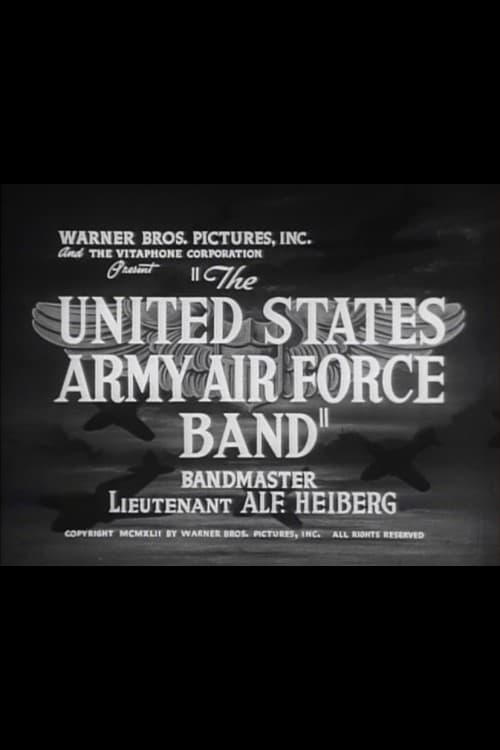
This patriotic wartime short showcases the service bands of the U.S. Army, Army Air Force, Marines, and Navy.
1942
1942
1943
1938

1941
1942
1944
1943
No reviews yet. Be the first to share your thoughts on this movie!
Use the rating form above to leave a star rating and optional review.