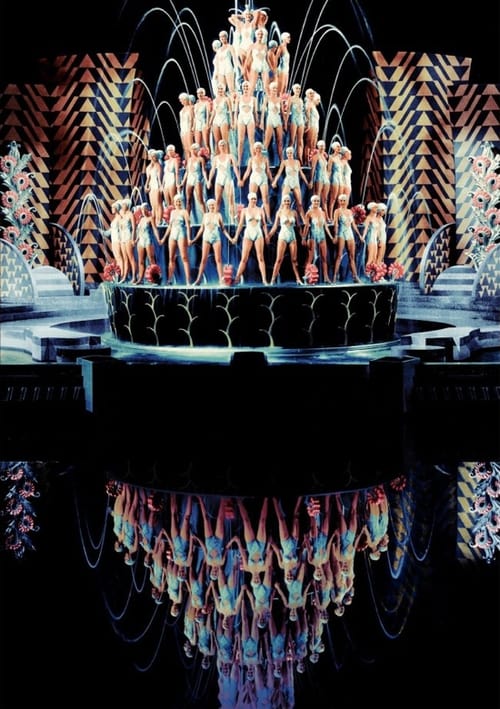
Three Cheers for the Girls
1943
No user ratings available yet
Representation score: 2.8 out of 10
No Poster Available
Representation Score
Limited
1942
ApprovedDirector
Jean Negulesco
Runtime
19 minutes
Average Rating
No ratings yetNew Showbiz Analysis
Calling All Girls functions as a period-specific musical revue designed for escapism and spectacle. The film prioritizes the celebration of the performing arts and the mechanics of the entertainment industry over any social critique. While the film provides a platform for female talent, it operates within a framework of professional selection. This structure reinforces the traditional industry hierarchies and the perspective of the 1940s studio era. Ultimately, the work serves as an artifact of the Golden Age of musicals. It emphasizes mainstream aesthetic standards and established musical traditions rather than challenging systemic power dynamics or social norms.
Category Breakdown
The film does not depict any non-binary or LGBTQ+ identities or same-sex relationships. It follows the assumption that everyone is straight or cisgender, which was common in the 1940s.
Women play a central role through dance and music performances. However, the story focuses on women being selected for a chorus line, emphasizing their place within a professional hierarchy.
The production follows typical 1942 studio practices with no evidence of a predominantly non-white cast. It relies heavily on established Western musical traditions.
The film celebrates traditional Western entertainment and the glamour of the studio system. It highlights professional achievement without critiquing Western institutions or social values.
There are no characters with visible or invisible disabilities mentioned in the film.
Present on Screen
Limited or Absent
Official Synopsis
The process by which girls are chosen for chorus line members in movie musical is shown. Numbers from popular 1930s musicals are then presented. These include "Don't Say Goodnight" from Wonder Bar (1934); "Lullaby of Broadway" from Gold Diggers of 1935 (1935) ; "Shadow Waltz" from Gold Diggers of 1933 (1933); and "By a Waterfall" and "Shanghai Lil" from Footlight Parade (1933).
1943
1933
1943
1934
1943
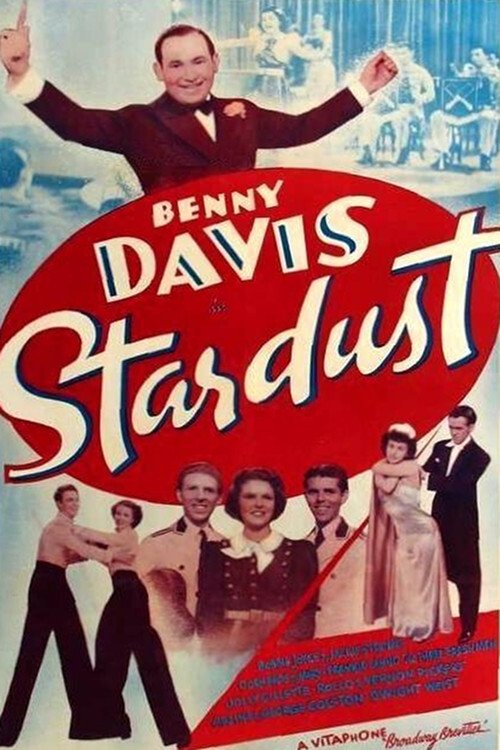
1938
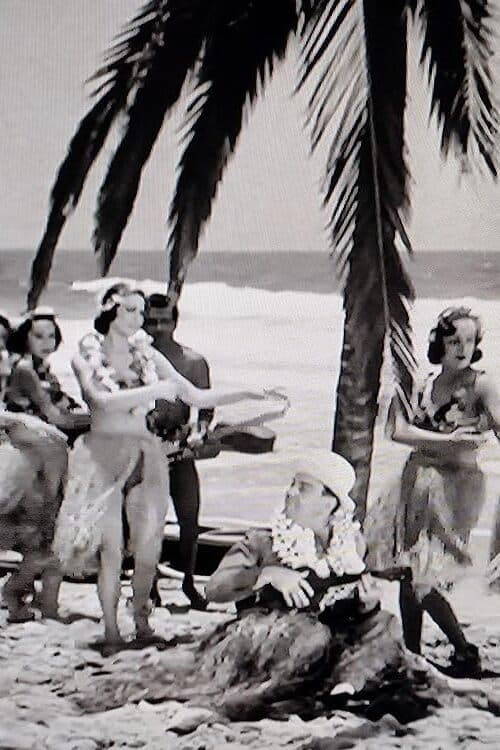
1937
1933
No reviews yet. Be the first to share your thoughts on this movie!
Use the rating form above to leave a star rating and optional review.