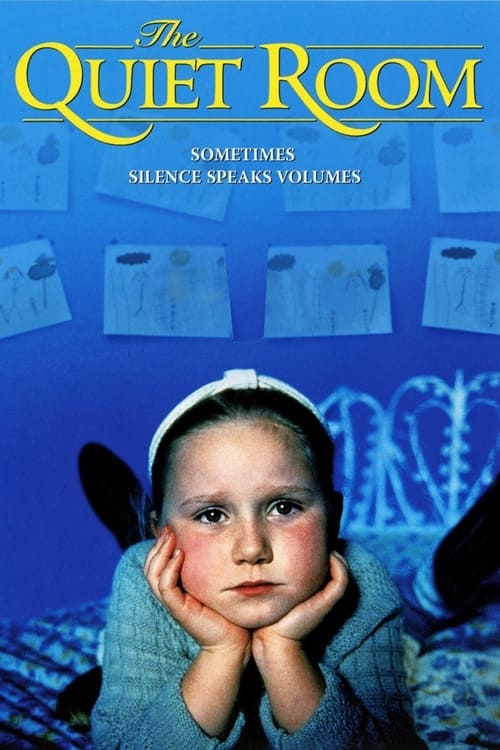
The Quiet Room
1996
No user ratings available yet
Diversity score: 3.8 out of 10

2004
Director
Dan Sallitt
Runtime
66 minutes
Average Rating
No ratings yetSynopsis
Evelyn Bell, a Catholic professor of theology, and her younger sister Virginia are reunited after many years when Virginia returns home in a depression after being ejected from a religious cult. At a lakeside retreat in Northeastern Pennsylvania, the sisters try to reestablish their relationship, talking about their very different systems of belief, and about the oppressive childhood that still hangs over them.
Overall Score
Fair
Category Breakdown
LGBTQ+ Representation
The film lacks explicit evidence of LGBTQ+ characters or narratives. The story focuses primarily on the sibling bond and religious divergence.
Gender Representation
The narrative centers female agency and intellectual autonomy. By featuring a female theology professor, it subverts traditional hierarchies that often relegate women to purely domestic roles.
Racial & Ethnic Diversity
The setting appears localized to Northeastern Pennsylvania. The presentation suggests a traditional, homogeneous demographic lacking significant evidence of intersectional racial or ethnic breadth.
Religious & Cultural Diversity
The film offers a progressive critique of traditional institutions. It explores the deconstruction of dogma by juxtaposing Catholicism against the aftermath of cultic indoctrination.
Disability Representation
While no physical disabilities are cited, the film addresses mental health through Virginia's depression. Her psychological state serves as a central driver of the plot.
Strengths
Areas for Improvement
AI Analysis
Dan Sallitt’s drama prioritizes psychological realism and ideological friction over spectacle. The film succeeds in its deep interrogation of systemic indoctrination and the reclamation of individual agency within a family unit. However, the work lacks broad demographic inclusion. The narrative remains focused on a specific, localized demographic, resulting in low visibility for racial and LGBTQ+ identities. Ultimately, the film is a specialized character study. It trades wide-reaching representation for a nuanced exploration of how religious structures shape identity and personal history.
1996
1955

2008

1973
2013

2007

1961
2002
2012
2019

2011

2008
No reviews yet. Be the first to share your thoughts on this movie!
Use the rating form above to leave a star rating and optional review.