
Quiet Bliss
2014
No user ratings available yet
Representation score: 7.6 out of 10
Representation Score
Good
2011
Director
Marco Bellocchio
Runtime
105 minutes
Average Rating
No ratings yetNew Showbiz Analysis
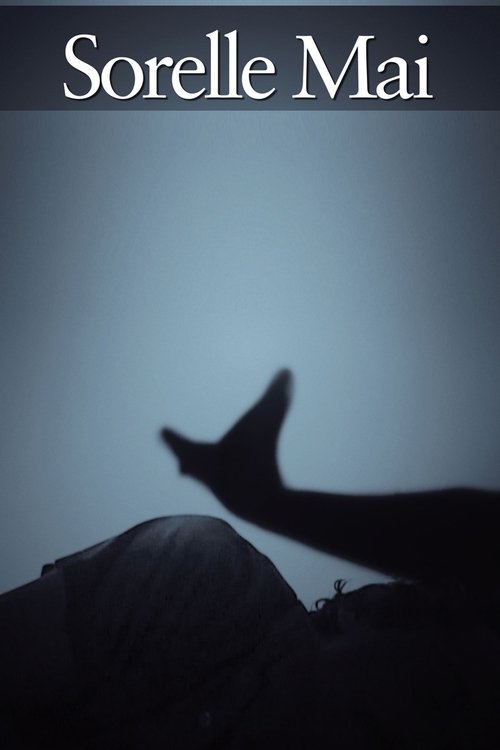
Sorelle Mai is a sophisticated deconstruction of domestic ideals, primarily driven by its nuanced exploration of female psychology. By prioritizing the intellectual and emotional interplay between women, the film successfully challenges patriarchal leadership and traditional maternal archetypes. However, the film's impact is limited by a lack of diversity in terms of race and sexual orientation. The narrative remains confined to a culturally specific, largely white Italian context, which limits its broader social reach. Ultimately, the film's strength lies in its cultural critique of Western institutions. While it lacks explicit representation of physical or neurodivergent disabilities, it offers a deep dive into the psychological fragmentation of its characters.
Category Breakdown
The film focuses solely on heterosexual families and lacks prominent LGBTQ+ characters or non-straight relationships as central plot drivers.
Bellocchio centers women's ability to drive the story and internal conflict, subverting traditional hierarchies. The narrative deconstructs the nurturing mother archetype through Sara's professional ambitions.
The cast is homogeneous, reflecting a specific Italian setting. There is no evidence of intentional racial blending or color-blind casting.
The story critiques the sanctity of the nuclear family and rigid Italian social expectations. It presents truth as a subjective construct shaped by individual trauma.
The film explores psychological instability and repressed trauma as character drivers. However, it lacks explicit representation of physical disabilities or neurodivergent conditions.
Present on Screen
Limited or Absent
Official Synopsis
The film, a nostalgic fantasy documentary, depicts in six episodes a family story in Bobbio between 1999 and 2008. We discover the 5 years-old Elena being brought up by her aunts (Marco Bellocchio's sisters) because her mother Sara is trying to succeed as an actress in Milan. Her uncle Giorgio has a difficult relationship with his sister and judges her for not taking care of her daughter. But as soon as Sara can afford it, she offers to take Elena with her, leaving the village and her aunts, perhaps for ever - while Giorgio, up to his eyeballs in debt, takes refuge in Bobbio. His sister will help him and sell a house.
2014
2014
2019

2021
2020

2015

2022

2006
No reviews yet. Be the first to share your thoughts on this movie!
Use the rating form above to leave a star rating and optional review.